Leather Thickness Guide: Choosing the Right Weight for Your Needs
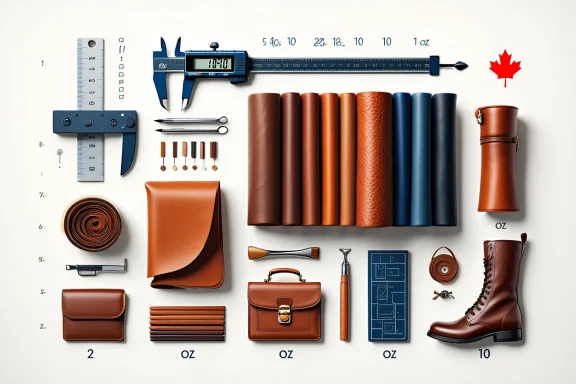
That custom leather briefcase you ordered from a Winnipeg artisan arrived feeling disappointingly flimsy because you specified 4-5 oz leather when the project demanded 8-9 oz weight. Meanwhile, your friend’s leather jacket feels uncomfortably stiff because the maker used 12 oz leather when 6-7 oz would have provided better drape and comfort. Understanding leather thickness isn’t just technical knowledge – it’s the difference between functional success and expensive disappointment.
Leather thickness measurements affect every aspect of performance, from durability and appearance to workability and comfort. Canadian leather workers and consumers need practical understanding of how different weights serve different applications, especially when our climate demands specific performance characteristics from leather goods used in extreme conditions from coast to coast.
Understanding Leather Weight Measurement Systems
The Ounce System: Industry Standard Measurements
The leather industry uses a unique ounce-per-square-foot measurement system that differs from typical weight measurements, creating confusion for newcomers.
How leather weight measurement works:
- Ounce definition: Weight in ounces of one square foot of leather
- Calculation method: Total hide weight divided by square footage
- Industry standard: North American system used globally for consistency
- Practical application: Heavier ounces indicate thicker, more substantial leather
- Quality correlation: Weight often correlating with leather grade and intended use
Common weight ranges and terminology:
- Light weight: 2-4 oz typically used for garment lining and delicate applications
- Medium weight: 4-7 oz standard for most leather goods and accessories
- Heavy weight: 7-10 oz used for structural applications and heavy-duty goods
- Extra heavy: 10+ oz reserved for industrial applications and specialized uses
- Custom specifications: Artisans often working within narrow weight ranges for optimal results
Alternative Measurement Systems
While ounce measurement dominates North American leather work, understanding alternative systems helps when working with international suppliers or specifications.
Millimeter measurements:
- Conversion formula: 1 oz ≈ 0.4mm thickness (approximate, varies by leather density)
- European preference: MM measurements common in European leather specifications
- Precision advantages: More precise measurement for technical applications
- Tool calibration: Some measuring tools using metric rather than ounce systems
- International trade: Global commerce sometimes requiring metric conversions
Decimal thickness systems:
- Industrial applications: Precise decimal measurements for technical leather uses
- Quality control: Manufacturing requiring exact thickness specifications
- Consistency standards: Automated production demanding precise thickness control
- Specialty applications: Technical leather for automotive or aerospace uses
- Canadian standards: Some Canadian manufacturers using metric alongside ounce systems
Leather Weight Categories and Characteristics
Light Weight Leather (2-4 oz): Flexibility and Comfort Applications
Light weight leathers provide maximum flexibility and comfort while sacrificing durability for specialized applications.
Typical applications:
- Garment linings: Jacket and coat interior components requiring softness
- Bookbinding: Leather covers needing flexibility for repeated opening/closing
- Small accessories: Coin purses and card holders where bulk is undesirable
- Decorative elements: Leather trim and accent pieces on mixed-material goods
- Repair patches: Thin leather for invisible repairs on damaged items
Performance characteristics:
- Flexibility: Maximum drape and conformity to shapes and movements
- Weight considerations: Minimal bulk addition to finished products
- Durability limitations: Reduced strength and puncture resistance
- Aging properties: Faster wear and potential for premature failure
- Climate sensitivity: More responsive to humidity and temperature changes
Canadian application considerations:
- Indoor use preference: Light leather best suited for interior or protected applications
- Seasonal limitations: Poor performance in extreme weather conditions
- Professional appearance: Excellent for business accessories requiring refined appearance
- Comfort priority: Optimal when touch and flexibility are primary concerns
Medium Weight Leather (4-7 oz): Versatile General Purpose Applications
Medium weight leather provides optimal balance between durability and flexibility for most leather goods applications.
Primary applications:
- Wallets and small goods: Standard thickness for everyday carry accessories
- Handbags and purses: Structural integrity with reasonable flexibility
- Belt applications: 6-7 oz providing durability while maintaining comfort
- Briefcases and portfolios: Professional appearance with adequate protection
- Casual footwear: Lightweight boots and shoes for everyday wear
Performance advantages:
- Balanced properties: Optimal combination of strength, flexibility, and workability
- Aging characteristics: Excellent patina development with proper care
- Repair accessibility: Thickness allowing for professional repair and restoration
- Climate adaptability: Reasonable performance across Canadian climate variations
- Cost efficiency: Best value proposition for most leather goods applications
Specific weight recommendations:
- 4-5 oz: Lightweight wallets, small purses, and delicate accessories
- 5-6 oz: Standard briefcases, medium handbags, and casual belts
- 6-7 oz: Heavy-duty wallets, structured bags, and dress belts
- Regional preferences: Urban applications favoring lighter weights, rural preferring heavier
Heavy Weight Leather (7-10 oz): Structural and Heavy-Duty Applications
Heavy weight leather provides maximum durability and structure for demanding applications and harsh environments.
Demanding applications:
- Work boots: Construction and industrial footwear requiring protection
- Tool belts and holsters: Equipment requiring structural integrity under stress
- Motorcycle gear: Protective clothing demanding abrasion and impact resistance
- Outdoor equipment: Camping and hunting gear exposed to extreme conditions
- Furniture applications: Upholstery and decorative elements requiring longevity
Performance characteristics:
- Maximum durability: Superior resistance to wear, puncture, and environmental damage
- Structural support: Maintains shape under load and stress
- Weather resistance: Better performance in extreme Canadian weather conditions
- Break-in requirements: Extended period needed to achieve optimal flexibility
- Professional maintenance: May require specialized care and conditioning
Canadian climate advantages:
- Winter performance: Excellent protection against cold, snow, and salt exposure
- Outdoor durability: Superior performance in camping, hunting, and work applications
- Professional appearance: Maintains structure and shape in business environments
- Longevity factors: Extended service life justifying higher initial investment
Extra Heavy Weight Leather (10+ oz): Specialized and Industrial Applications
Extra heavy leather serves specialized purposes requiring maximum protection and structural integrity.
Specialized applications:
- Industrial safety gear: Protective equipment for manufacturing and construction
- Heavy machinery components: Leather parts in industrial equipment
- Artistic and decorative: Sculptural leather work requiring rigid structure
- Historical reproduction: Period-accurate reproduction of historical leather goods
- Extreme environment gear: Equipment for Arctic or industrial use
Unique characteristics:
- Minimal flexibility: Limited drape and conformity to shapes
- Maximum protection: Superior resistance to cutting, puncture, and abrasion
- Extended break-in: Months or years required for optimal flexibility development
- Specialized tools: Heavy-duty equipment needed for cutting and stitching
- Professional expertise: Requires experienced craftsmen for proper handling
Application-Specific Weight Selection
Professional and Business Applications
Business leather goods require specific thickness ranges to balance professional appearance with functional durability.
Executive briefcases and portfolios:
- Optimal range: 6-8 oz providing structure while maintaining professional appearance
- Durability requirements: Daily business use demanding consistent performance
- Climate considerations: Canadian office environments with seasonal variations
- Professional image: Thickness supporting shape retention and quality appearance
- Functionality balance: Adequate protection without excessive bulk
Business wallets and accessories:
- Standard range: 4-6 oz balancing pocket comfort with durability needs
- Daily use factors: Frequent handling requiring smooth edges and corners
- Professional appearance: Consistent thickness preventing bulk and awkward shapes
- Longevity expectations: Business professionals expecting 5-10 year service life
- Climate adaptability: Performance across heated offices and outdoor conditions
Outdoor and Recreational Applications
Canadian outdoor activities demand leather goods capable of performing in extreme conditions while maintaining functionality.
Hunting and camping gear:
- Heavy duty requirements: 8-12 oz leather for holsters, sheaths, and equipment
- Weather resistance: Thickness providing protection against moisture and temperature extremes
- Durability demands: Outdoor use requiring resistance to abrasion and impact
- Functionality priorities: Performance over appearance in wilderness applications
- Maintenance considerations: Heavy leather accepting field care and conditioning
Motorcycle and protective gear:
- Safety requirements: 10-14 oz leather for protective jackets and pants
- Abrasion resistance: Maximum thickness providing road rash protection
- Impact protection: Thick leather distributing force during accidents
- Comfort balance: Heavy protection balanced against mobility needs
- Climate adaptation: Performance in Canadian riding seasons from spring through fall
Fashion and Lifestyle Applications
Fashion leather goods require thickness selection balancing style, comfort, and appropriate drape characteristics.
Leather jackets and outerwear:
- Fashion weight range: 3-6 oz providing drape and comfort for style applications
- Seasonal considerations: Canadian climate requiring balance between style and warmth
- Comfort priorities: Thickness allowing natural movement and body conformity
- Style maintenance: Weight supporting intended silhouette and design
- Durability expectations: Reasonable service life for fashion investment
Accessories and small goods:
- Handbag applications: 4-7 oz depending on size and intended use patterns
- Belt requirements: 6-9 oz providing support while maintaining comfort
- Small accessories: 3-5 oz for items requiring flexibility and pocket compatibility
- Style considerations: Thickness supporting intended aesthetic and functionality
- Regional preferences: Urban fashion vs rural functionality affecting weight selection
Technical Considerations for Leather Selection
Workability Factors for Different Weights
Leather thickness significantly affects how materials can be worked, joined, and finished in leather crafting applications.
Cutting and shaping considerations:
- Tool requirements: Heavier leather demanding specialized cutting tools and techniques
- Precision challenges: Thick leather making detailed work more difficult
- Edge finishing: Different weights requiring specific edge treatment approaches
- Joining methods: Thickness affecting stitching, gluing, and fastening options
- Pattern modifications: Heavy leather requiring design adjustments for proper fit
Stitching and assembly factors:
- Thread selection: Heavier leather requiring stronger, thicker thread types
- Needle specifications: Proper needle size and type essential for clean penetration
- Machine capabilities: Equipment limitations affecting maximum workable thickness
- Hand stitching considerations: Heavy leather demanding greater physical effort and skill
- Finishing requirements: Different weights requiring specific treatment approaches
Climate and Environmental Performance
Canadian climate conditions create specific performance requirements for different leather weights across regional variations.
Cold weather performance:
- Flexibility maintenance: Thicker leather potentially becoming rigid in extreme cold
- Insulation properties: Weight affecting thermal protection characteristics
- Moisture resistance: Thickness influencing water penetration and drying rates
- Salt resistance: Heavy leather better resisting road salt damage
- Storage considerations: Thick leather requiring specific winter storage conditions
Humid climate adaptations:
- Moisture absorption: Different weights responding differently to humidity changes
- Mold resistance: Thickness affecting air circulation and moisture retention
- Drying characteristics: Heavy leather requiring longer drying periods
- Maintenance frequency: Humid conditions affecting conditioning and care schedules
- Ventilation requirements: Thick leather needing better air circulation during storage
Regional Canadian Preferences and Applications
Atlantic Canada: Maritime Conditions and Requirements
Maritime climate and occupational patterns create specific leather thickness preferences for optimal performance.
Marine environment demands:
- Salt resistance: 7-10 oz leather providing better protection against salt air
- Moisture management: Heavy weight leather handling humidity and spray better
- Professional fishing: Work gear requiring maximum durability in harsh conditions
- Tourism applications: Quality goods for maritime heritage tourism market
- Seasonal variations: Year-round humidity affecting leather weight selection
Traditional applications:
- Fishing industry: Heavy leather for boat work and commercial fishing applications
- Maritime crafts: Traditional boat building and sailing requiring specific weights
- Cultural preservation: Historical reproduction maintaining traditional weight specifications
- Tourism crafts: Authentic maritime leather goods for visitor markets
Prairie Provinces: Ranching and Agricultural Applications
Agricultural and ranching activities create demand for specific leather weights optimized for outdoor work and livestock handling.
Ranch and farm applications:
- Working gear: 10-12 oz leather for chaps, belts, and equipment
- Livestock handling: Heavy leather providing protection from animal-related hazards
- Equipment durability: Ranch conditions demanding maximum leather durability
- Seasonal extremes: Leather weight selection considering -40°C winters and hot summers
- Professional requirements: Agricultural work demanding functional over aesthetic considerations
Cultural and recreational uses:
- Western heritage: Traditional cowboy gear maintaining historical weight specifications
- Rodeo equipment: Competition gear requiring specific thickness for safety and performance
- Tourism applications: Western theme attractions requiring authentic appearance and durability
- Craft traditions: Regional leather working maintaining traditional techniques and weights
Urban Canadian Centers: Professional and Fashion Applications
Metropolitan areas create demand for leather goods balancing professional appearance with practical functionality.
Business and professional needs:
- Corporate standards: Professional leather goods requiring refined appearance and durability
- Climate adaptation: Indoor/outdoor transitions requiring versatile leather weights
- Fashion integration: Style considerations influencing thickness selection for accessories
- Public transportation: Durability requirements for daily commuting and handling
- International standards: Urban professionals requiring leather goods meeting global standards
Fashion and lifestyle applications:
- Urban fashion: Style-conscious consumers preferring lighter weights for drape and comfort
- Professional image: Business requirements influencing leather thickness selection
- Seasonal flexibility: Urban wardrobes requiring leather goods adaptable to seasonal changes
- Quality expectations: Metropolitan consumers expecting premium materials and construction
Quality Assessment and Selection Guidelines
Evaluating Leather Thickness Consistency
Understanding how to assess leather thickness quality helps ensure optimal performance and value in finished goods.
Quality indicators:
- Consistency measurement: Even thickness across entire hide indicating quality processing
- Edge uniformity: Consistent edge thickness showing proper splitting techniques
- Grain integrity: Thickness not compromising natural grain structure and appearance
- Flexibility correlation: Proper thickness-to-flexibility ratio for intended applications
- Professional finishing: Edge treatment appropriate for leather weight and application
Assessment techniques:
- Physical measurement: Using calipers or thickness gauges for accurate assessment
- Flexibility testing: Evaluating bend characteristics appropriate for thickness
- Visual inspection: Checking for consistent color and texture across different thicknesses
- Professional consultation: Expert evaluation for critical applications
- Comparative analysis: Testing different weights from same supplier for consistency
Supplier Selection and Quality Standards
Working with reliable suppliers ensures consistent leather thickness and quality for optimal project results.
Supplier evaluation criteria:
- Consistency standards: Reliable thickness within specified tolerances
- Quality documentation: Proper grading and specification documentation
- Canadian sourcing: Local suppliers providing better service and quality control
- Technical support: Expert advice on weight selection for specific applications
- Sample availability: Opportunity to evaluate thickness and quality before purchase
Quality assurance factors:
- Measurement accuracy: Supplier thickness specifications matching actual materials
- Batch consistency: Uniform thickness across multiple hides in same order
- Professional handling: Proper storage and handling maintaining thickness integrity
- Documentation standards: Clear specifications and quality certifications
- Customer support: Technical assistance for thickness selection and application guidance
Practical Application Guidelines
Project Planning and Thickness Selection
Systematic approach to leather weight selection ensures optimal results for specific applications and requirements.
Selection decision framework:
- Application analysis: Detailed evaluation of intended use and performance requirements
- Environmental assessment: Climate and use conditions affecting thickness needs
- Durability requirements: Expected service life and wear patterns
- Aesthetic considerations: Appearance and style requirements affecting thickness choice
- Budget implications: Cost factors associated with different thickness options
Performance optimization:
- Functionality priorities: Primary use patterns determining optimal thickness range
- Durability balance: Adequate thickness without excessive weight or bulk
- Comfort considerations: Thickness supporting intended user experience
- Maintenance compatibility: Weight selection enabling proper care and conditioning
- Future adaptability: Thickness allowing for modifications or repairs as needed
Common Selection Mistakes and How to Avoid Them
Understanding frequent thickness selection errors helps prevent costly mistakes and disappointing results.
Over-specification problems:
- Excessive thickness: Using heavy leather where medium weight would perform better
- Workability issues: Thickness creating unnecessary difficulty in crafting and assembly
- Comfort compromise: Heavy leather reducing user comfort and satisfaction
- Cost inefficiency: Paying premium prices for unnecessary thickness
- Style disruption: Thick leather interfering with intended design aesthetic
Under-specification risks:
- Durability failure: Insufficient thickness for intended application demands
- Professional appearance: Thin leather failing to maintain shape and structure
- Performance disappointment: Inadequate thickness compromising functionality
- Premature replacement: Light leather requiring earlier replacement than expected
- Safety concerns: Insufficient protection in safety-critical applications
Maintenance Considerations by Leather Weight
Weight-Specific Care Requirements
Different leather thicknesses require adapted maintenance approaches for optimal longevity and performance.
Light leather maintenance:
- Gentle conditioning: Frequent light treatments preventing drying and cracking
- Careful handling: Light leather requiring more careful use and storage
- Climate protection: Extra protection from extreme temperature and humidity
- Regular inspection: Frequent monitoring for early signs of wear or damage
- Professional consultation: Expert advice for maintaining delicate leather goods
Heavy leather care:
- Deep conditioning: Periodic intensive treatments penetrating thick leather structure
- Extended break-in: Patience during initial flexibility development period
- Robust maintenance: Heavy leather accepting more aggressive care techniques
- Long-term planning: Maintenance schedules reflecting extended service life expectations
- Professional services: Specialized care for heavy leather applications
Seasonal Care Adaptations
Canadian climate variations require adapted maintenance approaches for different leather weights throughout the year.
Winter care considerations:
- Increased conditioning: Cold weather demanding more frequent leather treatments
- Salt protection: Heavy leather better handling road salt but requiring prompt cleaning
- Storage preparation: Proper storage techniques for seasonal leather goods
- Flexibility maintenance: Preventing cold weather stiffening through proper care
- Climate transition: Gradual acclimatization preventing thermal shock damage
Summer maintenance:
- UV protection: Preventing sun damage to leather goods of all weights
- Humidity management: Controlling moisture levels preventing mold and mildew
- Ventilation importance: Air circulation preventing moisture accumulation
- Temperature control: Avoiding extreme heat damage during summer storage
- Activity adaptation: Care modifications for increased summer outdoor use
Conclusion: Mastering Leather Weight Selection
Understanding leather thickness isn’t just technical knowledge – it’s practical wisdom that ensures your leather goods perform optimally for their intended purposes. Whether you’re commissioning a briefcase from a Toronto artisan, selecting boots for Alberta winters, or choosing leather for a craft project, weight selection affects every aspect of performance, durability, and satisfaction.
The key to successful leather weight selection lies in matching thickness to application while considering Canadian climate demands, personal preferences, and long-term performance expectations. Light weights excel in flexibility and comfort applications, medium weights provide optimal balance for most uses, and heavy weights deliver maximum durability for demanding conditions.
Remember that leather thickness represents just one factor in overall quality and performance. The finest leather in the wrong weight will disappoint, while appropriate thickness selection transforms good leather into exceptional performance. Consider your specific needs, climate conditions, and usage patterns when making thickness decisions.
Whether you’re a leather crafter selecting materials, a consumer specifying custom work, or someone curious about why different leather goods feel and perform differently, understanding weight measurement and application helps you make informed decisions that result in leather goods providing decades of reliable service and satisfaction.
Start applying this thickness knowledge to your next leather purchase or project. Consider how the leather will be used, what performance characteristics matter most, and how Canadian climate conditions will affect the leather over time. Your careful attention to weight selection will be rewarded with leather goods that perform exactly as intended while developing beautiful character through years of appropriate use.