Choosing the Perfect Leather Wallet: Size, Style, and Functionality Guide
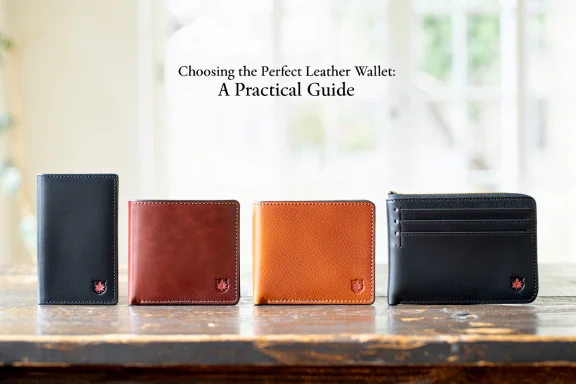
A good leather wallet is more than just a place to store cards and cash—it’s an everyday companion. For Canadians juggling work, travel, and leisure, the right wallet combines practicality, durability, and personal style. But with so many options, how do you pick the perfect one? This guide breaks down the essentials of size, style, and functionality to help you make a smart choice.
Step 1: Determine Your Lifestyle Needs
Your daily routine should guide your wallet choice.
-
Minimalist professionals: If you mostly tap cards and use e-wallets, a slim cardholder keeps things light and stylish.
-
Frequent travellers: Choose a wallet with extra compartments for boarding passes, ID, and multiple currencies.
-
Outdoor enthusiasts: A rugged, full-grain leather wallet with reinforced stitching will withstand Canadian winters and camping trips.
-
Everyday users: A classic bifold remains the go-to for those who carry a mix of cash, cards, and receipts.
Example: A Bay Street executive in Toronto may prefer a sleek card case, while a forestry worker in B.C. needs something more durable with secure closures.
Step 2: Pick the Right Size
Wallets come in different formats, and size matters for comfort and practicality.
-
Cardholder: Ultra-slim, perfect for 2–6 cards. Fits easily in front pockets.
-
Bifold: Standard size, space for cash, 6–12 cards, and receipts.
-
Trifold: Larger, with extra compartments—good for those who carry more.
-
Travel wallet: Passport-sized, with zippers or snaps for added security.
Remember: Canadian bills are polymer and slightly slippery, so a snug cash pocket helps keep them in place.
Step 3: Choose the Right Leather Type
The type of leather influences both the look and longevity.
-
Full-grain leather: Premium quality, durable, and develops a rich patina.
-
Top-grain leather: Smooth finish, more affordable, still long-lasting.
-
Genuine leather: Lower tier, less durable—better for short-term use.
-
Exotic or specialty leathers: Unique textures (like bison or embossed finishes) for those who want to stand out.
Eco-conscious Canadians may also explore vegetable-tanned leathers, which are more environmentally friendly.
Step 4: Style and Design Preferences
Your wallet should match your personal taste.
-
Classic: Neutral colours like black, brown, or tan for timeless appeal.
-
Modern: Slim silhouettes, RFID protection, and minimalist designs.
-
Statement piece: Bold colours, embossing, or custom personalization.
-
Functional add-ons: Coin pockets, ID windows, or zipped closures.
Pro tip: For Canadian cities where contactless payments dominate, prioritize quick card access over bulky cash compartments.
Step 5: Balancing Functionality and Longevity
A wallet should serve you for years, not just months. Look for:
-
Reinforced stitching
-
Quality lining
-
Edges finished to resist fraying
-
Warranty or repair services from Canadian artisans
Investing in a well-made leather wallet may cost more upfront, but the cost-per-wear over time makes it a smarter buy than cheaper alternatives.
Conclusion
The perfect leather wallet balances size, style, and function with your lifestyle needs. Whether you’re after a slim cardholder for city life or a sturdy trifold for outdoor work, choosing quality leather ensures your wallet looks better with age and serves you for years.
Thinking about upgrading your wallet? Visit a Canadian artisan workshop or trusted retailer—you’ll find pieces that combine craftsmanship, functionality, and timeless style.