Sustainable Leather Production: Environmental Practices in Modern Tanning
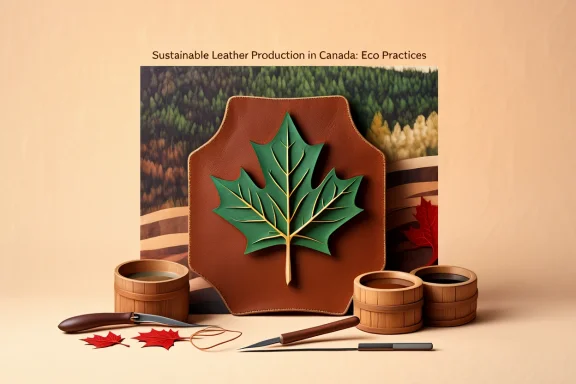
Leather has long been prized for its durability and timeless appeal, but traditional tanning methods often raise environmental concerns. Chemicals, water consumption, and waste from large-scale tanning have a lasting impact on ecosystems. In Canada and globally, consumers are demanding more sustainable practices—pushing the industry to innovate.
The Environmental Challenge of Traditional Tanning
Conventional chrome tanning dominates global leather production because it’s fast and efficient. However, it often involves:
-
High water usage
-
Hazardous chemical waste
-
Risk of soil and water contamination
For Canada, with its abundant natural resources and strong environmental values, these impacts conflict with growing demand for eco-conscious goods.
Eco-Friendly Tanning Methods
Modern leather producers are shifting toward greener solutions. Some key methods include:
-
Vegetable tanning: Uses natural tannins from bark, leaves, and roots. Though slower, it produces biodegradable leather with rich character.
-
Aldehyde tanning: A chrome-free method suitable for soft leathers, often used in upholstery and automotive industries.
-
Enzymatic tanning: Emerging techniques that use biological enzymes to replace harsh chemicals.
-
Water recycling systems: Closed-loop setups that reduce wastewater in tanning facilities.
Example: Some Canadian workshops now use vegetable-tanned hides sourced from local or North American suppliers, minimizing transport emissions and supporting regional economies.
Responsible Sourcing of Hides
Another part of sustainable leather is ensuring hides come from ethical and traceable sources.
-
Many Canadian artisans use hides that are by-products of the food industry, ensuring no animals are raised solely for leather.
-
Farms and suppliers following animal welfare standards align with consumer expectations for ethical production.
-
Local sourcing helps cut down carbon emissions from long-distance transport.
Reducing Environmental Impact in Canadian Workshops
Small-batch Canadian artisans are leading by example. Practices include:
-
Using natural oils and waxes instead of synthetic finishes
-
Minimizing scrap by careful cutting and repurposing offcuts into smaller goods
-
Offering repair and restoration services to extend product lifespan
-
Packaging with recycled or biodegradable materials
Why Sustainable Leather Matters to Canadians
Canadians are increasingly eco-conscious. A survey by Statistics Canada found over 70% of consumers consider sustainability in purchasing decisions. Choosing responsibly made leather supports:
-
Environmental protection for future generations
-
Local craftsmanship and small businesses
-
Long-lasting products that reduce waste compared to fast fashion alternatives
Conclusion
Sustainable leather production isn’t just a trend—it’s a necessary evolution. By adopting eco-friendly tanning methods, responsibly sourcing hides, and reducing workshop waste, Canadian leather artisans are proving that durability and environmental responsibility can go hand in hand.
Looking for your next leather piece? Choose Canadian artisans who prioritize sustainability—you’ll be investing in quality while supporting a greener future.