The History of Leather Craftsmanship in Canada
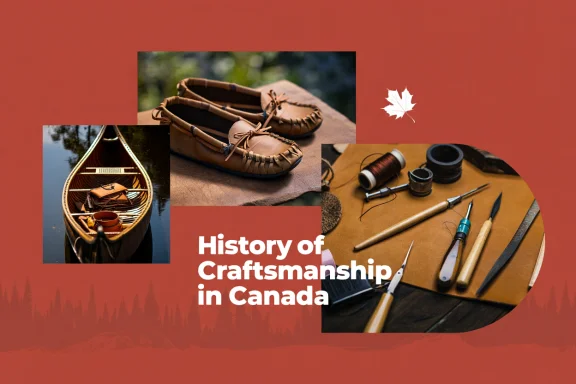
Leather has long played an important role in Canadian culture, serving as both a practical material and a form of creative expression. From Indigenous traditions to contemporary artisan studios, leather craftsmanship in Canada reflects resilience, innovation, and a deep respect for natural resources.
Indigenous Roots of Leather Work
Long before European settlers arrived, Indigenous Peoples across Canada developed sophisticated leatherworking skills. Hides from bison, deer, and moose were tanned using natural methods such as smoke and animal brains, producing soft, durable leather.
Leather was used to make:
-
Clothing and footwear, like the iconic moccasins
-
Shelter coverings, such as tipi hides
-
Tools, straps, and carrying pouches
-
Ornamental pieces with beadwork and quillwork
These practices were not only functional but also cultural, passing down stories, spiritual connections, and traditional knowledge.
Early Settler and Fur Trade Influence
With the fur trade booming in the 17th and 18th centuries, leather became a cornerstone of Canada’s growing economy. European settlers learned tanning techniques from Indigenous communities while also introducing new tools and styles. Leather goods such as saddles, boots, and harnesses supported exploration, farming, and transportation across the vast Canadian landscape.
Example: The Hudson’s Bay Company relied heavily on leather gear to sustain its fur-trading operations, outfitting voyageurs and traders who traversed rivers and forests.
Industrialization and Canadian Leather Production
By the 19th century, tanneries and workshops began appearing in towns across Ontario, Quebec, and the Maritimes. Industrial tanning methods expanded production, making leather goods more widely available. Factories supplied boots for railway workers, gloves for lumberjacks, and durable gear for soldiers during both World Wars.
Still, handcrafting traditions never disappeared—local cobblers and artisans remained vital in smaller communities.
The Rise of Modern Artisan Leatherworking
Today, Canada is experiencing a revival of interest in handcrafted, small-batch leather goods. Consumers value quality and heritage over fast fashion, creating demand for artisans who combine traditional skills with modern design.
Contemporary Canadian workshops often focus on:
-
Sustainability: Eco-friendly tanning methods and responsibly sourced hides
-
Customization: Personalized belts, bags, and wallets
-
Blending tradition with innovation: Using hand-stitching alongside modern cutting tools
Cities like Toronto, Montreal, and Vancouver are home to thriving artisan studios, while smaller towns also support family-owned workshops continuing generations of craftsmanship.
Why Leather Craftsmanship Endures in Canada
Leather remains significant because it represents:
-
Durability: Products built to last decades
-
Cultural heritage: A link to both Indigenous traditions and settler history
-
Artistic expression: A medium for creativity and innovation
-
Sustainability: A counterpoint to disposable consumer culture
Conclusion
From the skillful tanning methods of Indigenous Peoples to the bustling tanneries of the industrial age and today’s boutique workshops, leather craftsmanship in Canada tells a story of adaptation and artistry. It’s a heritage that continues to evolve—one that reflects Canada’s respect for tradition while embracing modern design and sustainability.
Interested in experiencing this heritage firsthand? Visit a local Canadian leather artisan or workshop—you’ll discover products with stories as rich as the material itself.