Leather Conditioning: When, How, and Which Products to Use
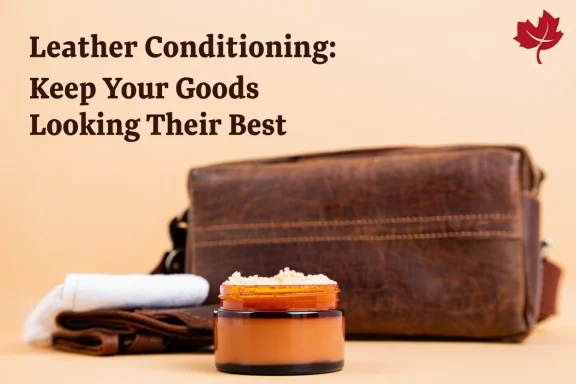
Leather is one of those materials that gets better with age—if you treat it right. A well-cared-for leather bag or belt can last decades, developing a rich patina along the way. But without proper conditioning, even the finest full-grain leather can dry out, crack, or lose its natural beauty. Canadians face unique challenges with changing seasons—dry winter air in Alberta, damp coastal weather in B.C., or humid Ontario summers. The solution? Regular leather conditioning.
Why Conditioning Leather Matters
Leather is essentially preserved animal hide, which means it can lose moisture over time. Conditioning replenishes natural oils, keeping it soft, flexible, and resistant to damage.
Benefits of conditioning:
-
Prevents cracking and stiffness
-
Restores suppleness and colour depth
-
Adds a protective layer against dirt and moisture
-
Extends overall product lifespan
Remember: Skipping conditioning is like skipping moisturizer in -20°C Ottawa winters—things get dry fast.
When to Condition Leather
There’s no one-size-fits-all schedule, but general guidelines work well for Canadian climates:
-
Every 3–6 months: For items used regularly, like belts, wallets, and handbags.
-
After exposure to extreme weather: Snow, rain, or heat can strip oils from the leather.
-
When leather looks or feels dry: If it looks dull, stiff, or has fine lines, it’s time.
Pro tip: In drier provinces like Saskatchewan or Alberta, condition leather more frequently. On the wetter West Coast, prioritize waterproofing alongside conditioning.
How to Condition Leather: Step-by-Step
Conditioning is simple, but technique matters:
-
Clean first – Wipe the item with a soft, damp cloth to remove dust or dirt. Use a mild leather cleaner if needed.
-
Apply conditioner – Using a soft cloth, rub a small amount in circular motions. Start with less—you can always add more.
-
Let it absorb – Leave the leather for 10–20 minutes so oils soak in.
-
Buff gently – With a dry cloth, buff off excess product for a smooth finish.
-
Air dry naturally – Keep away from direct heat sources like radiators or hair dryers.
Choosing the Right Leather Conditioner
Not all products are created equal. The best choice depends on the type of leather and the intended use.
Popular types:
-
Leather creams: Versatile, good for restoring moisture and shine.
-
Conditioning balms: Thicker, ideal for dry or heavily used items like boots.
-
Leather oils (e.g., mink oil, neatsfoot oil): Deep conditioning but may darken the leather—use with caution.
-
Eco-friendly options: Plant-based conditioners are growing in popularity among Canadian artisans.
Avoid: Household oils (like olive oil) or silicone-based products—they can damage or stain leather over time.
Canadian Expert Picks
-
Ottawa Leather Care Balm – Known for eco-friendly formulas suited to harsh winters.
-
Huberd’s Shoe Grease – Popular in Western Canada for outdoor boots.
-
Chamberlain’s Leather Milk – Widely available across Canada, safe for most leather goods.
Conclusion
Leather conditioning isn’t complicated, but it’s essential for keeping your goods looking sharp and lasting for years. A little care every few months protects your investment, keeps leather supple, and ensures it ages gracefully.
Got a leather bag or belt that’s looking a bit tired? Set aside 20 minutes this weekend to clean and condition it—you’ll thank yourself the next time you step out looking polished and professional.