Custom Leather Design Process: From Concept to Finished Product
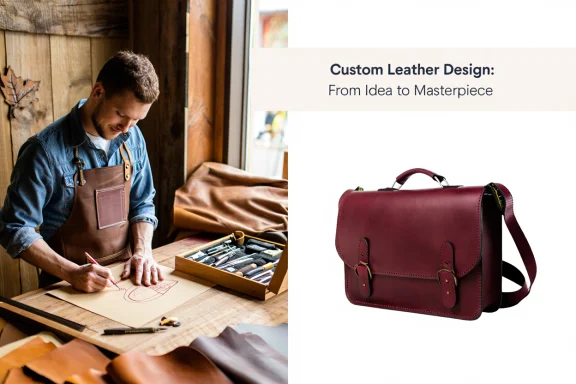
Walk into a Canadian artisan workshop, and you’ll immediately feel the blend of tradition and creativity in the air. While ready-made leather goods are beautiful, there’s something truly special about a custom-made piece. Whether it’s a personalized wallet, a corporate gift, or a bespoke leather bag, the process of bringing an idea to life is as much about storytelling as it is about craftsmanship.
Step 1: Client Consultation and Inspiration Gathering
Every custom project begins with a conversation. Canadian leather artisans sit down with clients to understand their vision, lifestyle needs, and design preferences.
Typical consultation questions include:
-
What type of product are you looking for (bag, belt, wallet, case)?
-
How will it be used—daily, occasionally, or as a gift?
-
Do you prefer classic minimalism, rugged outdoor style, or bold contemporary design?
-
Do you want personalized touches such as initials, logos, or unique hardware?
Example: A Toronto-based artisan might design a slim, modern briefcase for a Bay Street professional, while in Calgary, a craftsman could create a rugged belt tailored for ranch work.
Step 2: Design Sketches and Material Selection
Once the vision is clear, artisans create design sketches and select materials. Full-grain leather is often chosen for its durability, while exotic finishes or coloured leathers can add flair. Hardware (buckles, rivets, zippers) is carefully sourced, often from Canadian suppliers who prioritize sustainability and quality.
Clients are shown different options:
-
Leather types (cowhide, bison, or even eco-friendly alternatives)
-
Colour swatches
-
Stitching styles and thread colours
-
Edge finishes and lining materials
This stage ensures the final product reflects the client’s personality while meeting functional needs.
Step 3: Craftsmanship and Construction
The making process is where skill and tradition shine. Many Canadian artisans use a mix of heritage handcrafting techniques and modern tools.
Key stages include:
-
Pattern making: Templates are cut to match the design sketch.
-
Cutting: Leather is cut with precision to reduce waste.
-
Stitching: Often done by hand using saddle stitching, which is stronger than machine stitches.
-
Edge finishing: Burnishing, painting, or sealing ensures smooth, durable edges.
-
Assembly: Hardware and lining are added, and the product starts to take shape.
This stage can take anywhere from a few days to several weeks, depending on complexity.
Step 4: Finishing Touches and Quality Check
Before the product leaves the workshop, it undergoes a detailed quality inspection. Artisans check for stitch consistency, leather conditioning, and finish details. Any personalizations—like embossing initials or adding a custom stamp—are applied at this point.
Step 5: Delivery and Storytelling
When the piece is finally delivered, it’s more than just a product—it’s a story. Many Canadian artisans provide care instructions and even offer future maintenance services. Some also include a short note about the leather’s origin or the techniques used, deepening the connection between maker and owner.
Why Custom Leather Is Worth It
-
Durability: Built to last decades, not just seasons.
-
Personalization: Every detail reflects the owner’s style.
-
Sustainability: Many Canadian workshops source ethically and minimize waste.
-
Heritage: Each piece carries forward a tradition of craftsmanship rooted in Canada’s artisanal culture.
Conclusion
From the first consultation sketch to the final stitch, custom leather design in Canada is a journey of creativity, skill, and collaboration. For clients, it’s a chance to own something truly unique; for artisans, it’s an opportunity to transform an idea into a lasting piece of functional art.
CTA
Thinking about your own bespoke leather piece? Start by reaching out to a Canadian artisan for a consultation—you’ll be amazed at how your vision can be transformed into a timeless product.