Investment Value of Quality Leather Goods: Cost Per Wear Analysis
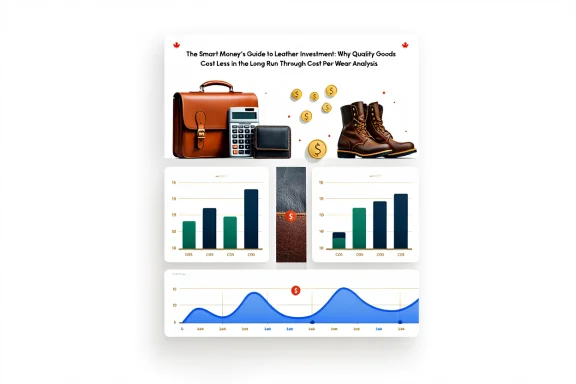
That $800 briefcase from a Calgary leather artisan seems expensive until you calculate it costs $0.44 per day after five years of daily use. Meanwhile, that $120 department store alternative needs replacing twice during the same period, actually costing $1.64 per day when you factor in replacement costs and lost time shopping for new bags. This is the mathematics of quality leather investment – understanding true cost over time rather than sticker shock at purchase.
Cost per wear analysis reveals the financial wisdom behind investing in premium leather goods. Canadian consumers, known for practical spending decisions, increasingly recognize that quality leather represents intelligent long-term investment rather than luxury indulgence. By examining real costs over product lifespans, the premium leather market makes compelling financial sense for anyone who values both quality and smart money management.
Understanding Cost Per Wear Methodology
Basic Cost Per Wear Calculations
Cost per wear analysis provides objective comparison between purchase options by dividing total ownership costs by actual usage frequency.
Fundamental calculation:
Cost Per Wear = (Purchase Price + Maintenance Costs) ÷ Number of UsesExtended ownership analysis:
Lifetime Cost Per Wear = (Purchase Price + Maintenance + Replacement Costs) ÷ Total Uses Over Ownership PeriodReal-world application factors:
- Usage frequency: Daily, weekly, or occasional use patterns affecting calculations
- Maintenance requirements: Cleaning, conditioning, and repair costs over product lifetime
- Replacement timing: When products need replacement due to wear or damage
- Opportunity costs: Time and effort required for shopping and replacement
- Residual value: Remaining worth of quality goods after primary use period
Factors Affecting Long-term Value
Multiple variables influence the true cost of leather goods ownership beyond initial purchase price.
Quality-related factors:
- Construction methods: Hand-stitched vs machine-stitched durability differences
- Material grades: Full-grain vs split leather longevity comparisons
- Hardware quality: Premium buckles, zippers, and clasps lasting longer
- Brand reputation: Established makers standing behind product quality
- Warranty coverage: Guarantees reducing ownership risk and replacement costs
Usage pattern variables:
- Professional requirements: Business use demanding higher quality and appearance standards
- Lifestyle factors: Active outdoor use vs office environment affecting wear patterns
- Climate considerations: Canadian weather extremes impacting leather durability needs
- Storage conditions: Proper care extending product lifespan significantly
- Rotation opportunities: Multiple items reducing individual wear rates
Canadian Market Price Analysis
Premium Leather Goods Pricing Structure
Understanding Canadian premium leather pricing helps contextualize investment decisions and value comparisons.
Professional leather goods (Canadian pricing):
- Executive briefcases: $600-1,500 from established Canadian artisans
- Quality leather jackets: $800-2,500 depending on construction and materials
- Premium wallets: $150-400 for full-grain construction with quality hardware
- Professional handbags: $400-1,200 for Canadian-made premium accessories
- Leather boots: $300-800 for quality Canadian footwear manufacturers
Factors affecting premium pricing:
- Canadian craftsmanship: Skilled labor costs reflecting fair wages and expertise
- Quality materials: Premium hides and hardware commanding appropriate pricing
- Small-scale production: Artisan operations lacking mass production cost efficiencies
- Local sourcing: Canadian materials and components adding value but increasing costs
- Brand positioning: Established reputations supporting premium market positioning
Budget Alternative Comparison
Mass-market leather goods offer lower entry prices but often compromise on materials and construction affecting long-term value.
Budget leather goods pricing:
- Department store briefcases: $80-250 for synthetic or split leather construction
- Fashion leather jackets: $150-400 typically using processed or corrected grain
- Budget wallets: $25-75 often featuring synthetic materials or poor construction
- Mass market handbags: $60-200 with variable quality and durability
- Imported boots: $75-200 with inconsistent quality and limited longevity
Hidden costs in budget alternatives:
- Frequent replacement: Lower quality requiring replacement every 1-3 years
- Poor aging: Cheaper materials deteriorating rather than developing attractive patina
- Limited repair options: Construction methods making professional repair impossible
- Performance disappointment: Functional failures creating inconvenience and replacement needs
- False economy: Apparent savings offset by replacement and maintenance costs
Detailed Cost Per Wear Case Studies
Case Study 1: Professional Briefcase Investment
Comparing premium Canadian briefcase with mass-market alternative over typical professional career usage.
Premium option: $1,200 Canadian artisan briefcase
- Expected lifespan: 15-20 years with proper care
- Usage pattern: 250 business days annually
- Maintenance costs: $50 annually for conditioning and minor repairs
- Total 15-year costs: $1,200 + ($50 × 15) = $1,950
- Total uses: 250 days × 15 years = 3,750 uses
- Cost per use: $1,950 ÷ 3,750 = $0.52 per day
Budget alternative: $180 department store briefcase
- Expected lifespan: 2-3 years before replacement needed
- Replacement cycle: 5 replacements over 15 years
- Maintenance limitations: Poor construction preventing effective repair
- Total 15-year costs: $180 × 5 = $900
- Opportunity costs: Shopping time valued at $200 over 15 years
- Total investment: $900 + $200 = $1,100
- Total uses: Same 3,750 uses over 15 years
- Cost per use: $1,100 ÷ 3,750 = $0.29 per day
Additional considerations:
- Professional image: Premium briefcase supporting career advancement
- Reliability: Quality construction preventing embarrassing failures
- Resale value: Premium briefcase retaining 30-40% value after 15 years
- Satisfaction factor: Quality ownership experience vs frustration with failures
Case Study 2: Leather Wallet Long-term Investment
Analyzing everyday carry item with high usage frequency and replacement visibility.
Premium option: $280 Canadian leather wallet
- Expected lifespan: 12-15 years with excellent aging characteristics
- Daily usage: 365 days annually for identification and payment
- Maintenance: $15 annually for conditioning treatments
- Total 12-year costs: $280 + ($15 × 12) = $460
- Total uses: 365 × 12 = 4,380 uses
- Cost per use: $460 ÷ 4,380 = $0.105 per day
Budget alternative: $45 synthetic wallet
- Expected lifespan: 18-24 months before replacement
- Replacement cycle: 6 wallets over 12 years
- Maintenance: Minimal due to synthetic materials
- Total 12-year costs: $45 × 6 = $270
- Transfer inconvenience: Time and effort moving contents 6 times
- Cost per use: $270 ÷ 4,380 = $0.062 per day
Quality of life factors:
- Aging beauty: Premium leather developing attractive patina over time
- Functionality: Better construction maintaining shape and pocket accessibility
- Confidence: Quality item reflecting personal standards and taste
- Conversation value: Quality craftsmanship generating positive social interactions
Case Study 3: Winter Boot Investment Analysis
Canadian-specific analysis considering extreme weather demands and seasonal usage patterns.
Premium option: $650 Canadian winter boots
- Expected lifespan: 8-12 years with resoling capability
- Seasonal usage: 120 wear days annually (October through March)
- Maintenance costs: $25 annually plus $150 resoling every 4 years
- Total 10-year costs: $650 + ($25 × 10) + ($150 × 2) = $1,200
- Total uses: 120 × 10 = 1,200 uses
- Cost per use: $1,200 ÷ 1,200 = $1.00 per wear
Budget alternative: $180 imported winter boots
- Expected lifespan: 2 seasons before replacement needed
- Replacement cycle: 5 pairs over 10 years
- Performance degradation: Reduced warmth and waterproofing over time
- Total 10-year costs: $180 × 5 = $900
- Health costs: Potential cold-related illness from poor performance
- Cost per use: $900 ÷ 1,200 = $0.75 per wear
Canadian-specific considerations:
- Safety factors: Premium boots providing better traction and protection
- Health protection: Superior insulation preventing cold-related problems
- Professional appearance: Quality boots maintaining appearance through harsh conditions
- Repair vs replace: Premium boots enabling professional repair and maintenance
Maintenance Cost Analysis
Premium Leather Maintenance Investment
Quality leather goods require regular maintenance that extends lifespan and preserves appearance, representing wise long-term investment.
Annual maintenance costs:
- Conditioning treatments: $15-30 annually for leather health preservation
- Professional cleaning: $25-50 every 2-3 years for deep maintenance
- Minor repairs: $20-60 annually for hardware adjustment and minor fixes
- Storage accessories: $10-25 annually for proper storage materials
- Total annual maintenance: $70-165 depending on item type and usage
Maintenance value proposition:
- Lifespan extension: Proper care doubling or tripling product lifespan
- Appearance preservation: Maintained items retaining professional appearance longer
- Performance optimization: Well-maintained leather performing better over time
- Resale protection: Maintained items retaining higher resale values
- Personal satisfaction: Pride in well-maintained quality possessions
Budget Alternative Hidden Costs
Lower-priced leather goods often have higher total ownership costs due to replacement frequency and limited maintenance options.
Budget alternative cost factors:
- Replacement frequency: Poor construction requiring replacement every 1-3 years
- Limited repair options: Construction methods preventing cost-effective repairs
- Performance degradation: Rapid decline in appearance and functionality
- Shopping time costs: Frequent replacement requiring time investment in selection
- Disposal costs: Environmental and disposal costs for frequently replaced items
True cost comparison:
- Purchase price advantage: Budget items initially costing 60-80% less
- Replacement multiplication: 3-5x replacement frequency over quality goods lifespan
- Maintenance inefficiency: Money spent on maintenance yielding poor results
- Opportunity costs: Time spent managing replacements and problems
- Total ownership disadvantage: Budget alternatives often costing more over 5+ year periods
Regional Canadian Value Considerations
Climate Impact on Leather Investment Value
Canada’s diverse climate zones create specific value propositions for quality leather goods investment.
Maritime climate considerations:
- Humidity challenges: Quality leather handling moisture better than cheap alternatives
- Salt exposure: Premium materials and construction resisting salt damage longer
- Weather variability: Robust construction handling rapid weather changes
- Maintenance frequency: Higher humidity requiring more frequent but worthwhile maintenance
- Longevity benefits: Quality construction lasting longer in challenging maritime conditions
Prairie climate factors:
- Extreme dryness: Quality leather maintaining flexibility while cheap alternatives crack
- Temperature extremes: Premium construction handling -40°C to +35°C variations
- UV exposure: Quality dyes and finishes resisting sun damage better
- Dust conditions: Superior construction preventing dust infiltration damage
- Seasonal storage: Quality goods surviving long-term storage without deterioration
Urban environment impacts:
- Pollution exposure: Quality materials and finishes handling city air better
- Professional requirements: Premium appearance standards justifying quality investment
- Transportation wear: Public transit and walking creating higher wear demands
- Style longevity: Quality pieces maintaining relevant appearance longer
- Repair accessibility: Urban areas offering better repair services for quality goods
Canadian Currency and Import Considerations
Exchange rates and import costs affect the relative value proposition of domestic vs imported leather goods.
Domestic production advantages:
- Currency stability: Canadian-made goods avoiding exchange rate volatility
- No import duties: Domestic products avoiding 6-18% import tariffs
- Shipping costs: Local production eliminating international shipping expenses
- Quality control: Direct access to manufacturers for service and repairs
- Economic support: Investment supporting Canadian employment and communities
Import consideration factors:
- Exchange rate risk: Currency fluctuations affecting replacement and repair costs
- Warranty complications: International warranty service creating complications and delays
- Duty and tax impacts: Additional costs of 13-25% on imported leather goods
- Shipping delays: International delivery affecting replacement timing
- Quality uncertainty: Difficulty verifying quality standards from distant manufacturers
Investment Timing and Purchase Strategy
Optimal Purchase Timing for Maximum Value
Strategic timing of leather goods purchases can significantly improve investment value through seasonal pricing and life-cycle planning.
Seasonal purchasing advantages:
- End-of-season sales: 20-40% savings on quality items during seasonal transitions
- Holiday promotions: November-December discounts on premium leather goods
- Back-to-school timing: August-September promotions on professional accessories
- Spring renewal: March-April sales clearing winter inventory
- Anniversary sales: Canadian manufacturers offering periodic promotional pricing
Life-cycle purchase planning:
- Career milestones: Investing in quality professional goods during promotions or salary increases
- Replacement anticipation: Purchasing quality replacements before current items fail completely
- Wardrobe building: Gradual acquisition of quality pieces rather than emergency replacement
- Gift opportunities: Leveraging gift-giving occasions for quality leather investments
- Economic cycles: Major purchases during stable financial periods rather than uncertainty
Financing Quality Leather Investments
Understanding financing options helps manage cash flow while securing quality leather goods investment benefits.
Payment strategy options:
- Full payment: Immediate ownership avoiding interest costs and payment complications
- Layaway programs: Some Canadian retailers offering payment plans for quality items
- Credit optimization: Using rewards credit cards for large purchases earning points/cash back
- Savings planning: Setting aside funds over time for planned quality purchases
- Gift coordination: Combining gift-giving occasions with quality leather investments
Budget management approaches:
- Cost averaging: Spreading quality purchases over time rather than simultaneous buying
- Priority ranking: Focusing investment on highest-use items first for maximum value
- Maintenance budgeting: Including ongoing care costs in purchase planning
- Replacement scheduling: Planning replacement timing to manage budget impact
- Value protection: Proper maintenance protecting investment value over time
Resale Value and Asset Protection
Quality Leather Goods as Appreciating Assets
Premium leather goods often retain significant value and sometimes appreciate, especially artisan pieces and limited editions.
Factors supporting resale value:
- Brand reputation: Established Canadian leather makers maintaining value recognition
- Construction quality: Hand-crafted items with superior construction holding value better
- Material quality: Full-grain leather aging beautifully and maintaining structural integrity
- Rarity factors: Limited production or discontinued items gaining collector interest
- Condition maintenance: Well-maintained items commanding premium resale prices
Resale market considerations:
- Online platforms: eBay, Kijiji, and Facebook Marketplace providing resale opportunities
- Consignment stores: Specialized retailers handling quality leather goods resale
- Collector markets: Enthusiast communities valuing specific makers and styles
- International demand: Global interest in Canadian-made quality leather goods
- Documentation value: Original receipts, care records, and provenance supporting prices
Estate and Inheritance Value
Quality leather goods represent tangible assets that can be passed down through generations, providing ongoing family value.
Generational value factors:
- Durability longevity: Quality construction lasting decades with proper care
- Timeless styling: Classic designs remaining relevant across generations
- Sentimental value: Family history and memories associated with quality pieces
- Practical utility: Functional items providing ongoing value to recipients
- Investment education: Teaching family members about quality and value recognition
Heritage preservation:
- Care instruction documentation: Teaching proper maintenance for longevity
- Story preservation: Recording history and significance of pieces for family knowledge
- Professional restoration: Periodic expert care maintaining items for generational transfer
- Usage encouragement: Active use rather than storage preserving leather health
- Quality recognition: Educating family members about craftsmanship and value
Economic Impact of Quality Leather Investment
Personal Financial Benefits
Investing in quality leather goods creates multiple financial advantages beyond simple cost per wear calculations.
Direct financial impacts:
- Reduced replacement costs: Longer product life reducing shopping and replacement expenses
- Lower maintenance costs: Quality construction requiring less frequent professional service
- Reduced opportunity costs: Less time spent shopping for replacements
- Professional advancement: Quality accessories supporting career development
- Asset accumulation: Building collection of valuable, lasting goods
Indirect economic benefits:
- Reduced waste: Less environmental impact and disposal costs from frequent replacements
- Community support: Canadian purchases supporting local employment and economy
- Skill preservation: Investment in artisan goods supporting traditional craftsmanship
- Tourism contribution: Quality Canadian leather goods supporting heritage tourism
- Export enhancement: Canadian leather reputation supporting national export success
Broader Economic Implications
Quality leather goods investment supports sustainable economic development and responsible consumption patterns.
Industry support benefits:
- Artisan employment: Quality purchases supporting skilled craftsmen and their communities
- Innovation investment: Premium purchases funding research and development
- Export development: Canadian quality reputation opening international markets
- Tourism attraction: Quality craftsmanship attracting visitors to Canadian regions
- Cultural preservation: Traditional skills maintenance through commercial viability
Sustainable consumption advantages:
- Reduced resource consumption: Longer product life reducing material usage
- Waste reduction: Quality goods avoiding landfill disposal from frequent replacements
- Energy efficiency: Reduced manufacturing energy from longer product cycles
- Transportation reduction: Less frequent replacement reducing shipping environmental impact
- Responsible production: Quality focus encouraging ethical manufacturing practices
Making Informed Investment Decisions
Quality Assessment for Investment Value
Understanding how to evaluate leather goods quality helps ensure investment value and long-term satisfaction.
Construction quality indicators:
- Stitching assessment: Hand-stitched or high-quality machine work indicating durability
- Material evaluation: Full-grain leather and premium hardware supporting longevity
- Design analysis: Timeless styling ensuring ongoing relevance and use
- Maker reputation: Established craftsmen with warranty support and service commitment
- Functional testing: Proper operation and fit ensuring practical utility
Value verification methods:
- Comparative shopping: Price comparison across similar quality products
- Expert consultation: Professional advice on specific makers and models
- User reviews: Real-world experience from other customers
- Warranty analysis: Coverage terms indicating manufacturer confidence
- Service availability: Local repair and maintenance service accessibility
Purchase Decision Framework
Systematic approach to leather goods investment ensures optimal value and long-term satisfaction.
Investment decision criteria:
- Usage assessment: Realistic evaluation of how frequently item will be used
- Quality verification: Confirmation of construction and material standards
- Budget analysis: True cost including maintenance over expected lifespan
- Lifestyle fit: Compatibility with personal and professional requirements
- Long-term planning: Consideration of changing needs over product lifespan
Risk management factors:
- Warranty protection: Coverage reducing investment risk
- Maker stability: Established business ensuring ongoing service availability
- Maintenance access: Local care services supporting long-term value
- Style longevity: Classic designs avoiding fashion obsolescence
- Functional durability: Construction supporting intended use over time
Conclusion: The Mathematics of Quality Investment
Cost per wear analysis reveals that quality leather goods represent intelligent financial investment rather than luxury indulgence. When total ownership costs are calculated over realistic usage periods, premium leather goods consistently deliver superior value while providing enhanced functionality, professional image, and personal satisfaction.
Canadian consumers, with their practical approach to spending, increasingly recognize that quality leather investments make compelling financial sense. The mathematics are clear: spending more initially on well-constructed leather goods from reputable Canadian artisans results in lower long-term costs, better performance, and significantly higher satisfaction than repeatedly purchasing budget alternatives.
The key to successful leather investment lies in understanding total cost of ownership, realistic usage assessment, and proper maintenance commitment. Quality leather goods reward their owners with decades of reliable service, beautiful aging, and the pride that comes from owning well-crafted items that improve rather than deteriorate over time.
Whether calculating the cost per wear of a professional briefcase, analyzing the long-term value of quality boots, or considering the investment merit of artisan leather accessories, the financial case for quality is compelling. Smart money chooses quality leather goods not because they cost more initially, but because they cost less over time while delivering superior performance and satisfaction.
Start your cost per wear analysis today for any leather goods purchase you’re considering. Factor in your realistic usage patterns, maintenance commitment, and quality standards. You’ll likely discover what thousands of satisfied Canadian consumers already know: quality leather goods represent some of the best investment value available in today’s consumer marketplace.