The Art of Leather Edge Finishing: Techniques and Tools
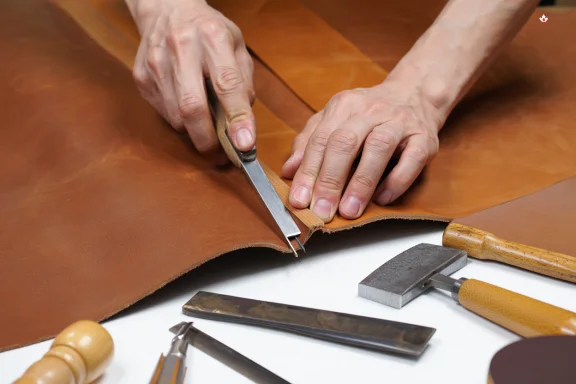
Walk into any high-end leather goods store in Toronto’s Yorkville district and run your fingers along the edges of a $2,000 briefcase. That impossibly smooth, glass-like finish didn’t happen by accident – it’s the result of master-level edge finishing techniques that separate premium craftsmanship from amateur work. The difference between a $50 wallet and a $300 wallet often lies not in the leather quality, but in the edge finishing that reveals the maker’s skill level and attention to detail.
Edge finishing represents the intersection of technical skill and artistic vision in leather working. Canadian leather artisans from Vancouver Island studios to Maritime workshops understand that perfect edges don’t just look professional – they protect the leather from moisture, wear, and the environmental challenges our climate presents. Mastering edge finishing techniques transforms good leather work into exceptional craftsmanship that commands premium pricing and customer loyalty.
Understanding Leather Edge Characteristics
Anatomy of a Leather Edge
Before mastering finishing techniques, understanding leather edge structure helps craftsmen choose appropriate methods for different applications and leather types.
Edge composition factors:
- Fiber orientation: How leather fibers align at cut edges affecting finishing approach
- Density variation: Leather density differences from grain to flesh side influencing technique selection
- Moisture absorption: Edge porosity affecting treatment penetration and drying characteristics
- Grain structure: Natural leather grain patterns extending to edges requiring specific handling
- Tanning effects: Different tanning methods creating unique edge characteristics and finishing needs
Edge quality indicators:
- Smoothness: Freedom from roughness, fuzz, or irregular texture
- Consistency: Even appearance and feel across entire edge length
- Durability: Resistance to wear, moisture, and environmental damage
- Flexibility: Edge finishing maintaining leather’s natural movement without cracking
- Professional appearance: Polished, refined look appropriate for intended application
Types of Edges and Their Requirements
Different leather goods require different edge finishing approaches based on function, aesthetic goals, and expected use patterns.
Functional edge categories:
- Structural edges: Briefcase corners and bag reinforcements requiring maximum durability
- Decorative edges: Visible edges on accessories prioritizing appearance over heavy use
- Flexible edges: Wallet folds and garment edges needing movement without cracking
- Weather-exposed edges: Outdoor gear edges requiring moisture and UV resistance
- Hidden edges: Interior construction edges where function matters more than appearance
Edge finishing complexity levels:
- Basic finish: Simple cleaning and sealing for functional applications
- Standard finish: Moderate smoothing and protective treatment for everyday goods
- Premium finish: Multiple-step process creating smooth, polished appearance
- Exhibition finish: Museum-quality finish requiring master-level skills and time investment
- Custom finish: Specialized techniques for unique applications or artistic expression
Essential Edge Finishing Tools and Equipment
Traditional Hand Tools for Edge Work
Master edge finishing requires specific tools designed for manipulating and refining leather edges through skilled hand work.
Core edge finishing tools:
- Edge bevelers: Angled cutting tools creating consistent chamfers and profiles
- Modeling tools: Bone, wood, or synthetic tools for smoothing and shaping edges
- Burnishing implements: Various materials and shapes for creating polished surfaces
- Sandpaper and abrasives: Multiple grits for progressive smoothing and texture creation
- Brushes and applicators: Specialized tools for applying treatments and finishes
Beveling tool selection:
- Size range: #0 through #5 bevelers for different leather weights and edge profiles
- Edge angles: Various cutting angles for different aesthetic and functional effects
- Handle ergonomics: Comfortable grips essential for consistent, controlled cutting
- Blade maintenance: Sharp, properly maintained cutting edges crucial for clean work
- Quality considerations: Professional-grade tools justifying investment for serious craftsmen
Burnishing Tools and Techniques
Burnishing creates the smooth, polished finish that characterizes premium leather edge work through friction, heat, and pressure.
Traditional burnishing implements:
- Bone folders: Classic tools providing smooth, consistent burnishing action
- Hardwood slickers: Dense woods like ebony creating excellent friction characteristics
- Synthetic materials: Modern alternatives offering consistent performance and durability
- Metal tools: Specialized steel or brass implements for specific applications
- Canvas and denim: Fabric burnishing for final polishing and shine development
Burnishing technique fundamentals:
- Pressure application: Consistent, moderate pressure preventing damage while creating friction
- Speed control: Optimal burnishing speed balancing heat generation with control
- Direction consistency: Maintaining consistent direction throughout burnishing process
- Heat management: Using friction heat effectively without overheating and damaging leather
- Progressive refinement: Multiple burnishing passes with increasing intensity
Modern Edge Finishing Equipment
Contemporary leather working incorporates modern tools that increase efficiency while maintaining traditional quality standards.
Power tools for edge work:
- Edge sanders: Specialized sanders designed for leather edge smoothing and shaping
- Rotary burnishers: Motorized tools providing consistent burnishing action
- Heat guns: Controlled heat application for certain finishing techniques
- Airbrushes: Precision application of edge treatments and colorants
- Ultrasonic welders: Advanced joining techniques creating finished edges without stitching
Precision measurement tools:
- Calipers: Accurate measurement of edge thickness and consistency
- Edge gauges: Specialized tools for measuring and marking consistent edge profiles
- Rulers and guides: Precision measuring tools ensuring consistency across projects
- Templates: Custom guides for repeatable edge profiles and shapes
- Quality control jigs: Fixtures ensuring consistent edge geometry and finish quality
Traditional Edge Finishing Techniques
The Classic Burnishing Method
Traditional burnishing remains the gold standard for leather edge finishing, creating smooth, durable edges through skill and patience.
Step-by-step burnishing process:
- Edge preparation: Clean cutting with sharp knife ensuring smooth starting surface
- Initial shaping: Light beveling to remove sharp corners and create working profile
- Moisture application: Slight dampening to soften leather fibers for manipulation
- Progressive smoothing: Multiple passes with modeling tools removing roughness
- Burnishing proper: Friction application creating heat and polishing action
Burnishing variables and control:
- Moisture level: Optimal dampness level for effective burnishing without oversaturation
- Pressure application: Consistent pressure preventing gouging while creating effective friction
- Tool selection: Choosing appropriate burnishing tools for specific leather types and goals
- Temperature management: Using friction heat effectively while preventing damage
- Timing control: Understanding when edges achieve optimal burnishing condition
Water-Based Edge Treatment
Water burnishing creates natural-looking edges that age beautifully while providing moderate protection and professional appearance.
Water burnishing technique:
- Edge cutting: Sharp, clean cuts perpendicular to leather surface
- Initial smoothing: Light sanding with fine-grit paper removing any roughness
- Water application: Controlled moisture application softening edge fibers
- Burnishing action: Friction application while leather remains optimally damp
- Final polishing: Dry burnishing creating final smooth surface and subtle sheen
Water burnishing advantages:
- Natural appearance: Edges matching leather color and maintaining authentic look
- Breathability: Water treatment not sealing edge pores completely
- Repairability: Easy touch-up and restoration of water-burnished edges
- Cost efficiency: Minimal material costs using only water and labor
- Environmental friendliness: No chemical treatments or synthetic materials required
Gum Tragacanth Application
This traditional botanical edge treatment creates smooth, professional finishes while providing protective sealing against moisture and wear.
Gum tragacanth preparation:
- Material sourcing: High-quality gum tragacanth powder from reputable suppliers
- Mixing technique: Gradual water addition creating smooth, lump-free solution
- Consistency control: Proper viscosity for effective application without buildup
- Storage considerations: Prepared solution storage preventing contamination and spoilage
- Batch sizing: Mixing appropriate quantities for current project needs
Application methodology:
- Edge preparation: Clean, smooth edges ready for treatment application
- Initial application: Thin, even coat applied with brush or finger
- Working time: Manipulating treatment while still workable for optimal penetration
- Burnishing integration: Friction application while treatment remains active
- Drying and curing: Controlled drying preventing cracking or uneven finish
Modern Edge Finishing Methods
Edge Paint Application Techniques
Modern edge paints provide durable, professional finishes with consistent color and texture while protecting leather from environmental damage.
Edge paint characteristics:
- Flexible formulation: Paints maintaining flexibility preventing cracking during leather movement
- Adhesion properties: Strong bonding to leather edges providing long-term durability
- Color options: Wide range of colors for matching or contrasting design effects
- Finish variations: Matte, semi-gloss, and high-gloss options for different aesthetic goals
- Application methods: Various techniques from brush application to airbrushing
Professional paint application:
- Surface preparation: Thorough edge cleaning and light sanding for optimal adhesion
- Primer application: Base coat ensuring consistent paint adhesion and color development
- Paint application: Multiple thin coats building up desired thickness and coverage
- Sanding between coats: Light abrasion between coats ensuring smoothness
- Final finishing: Top coat application providing protection and desired sheen level
Heat-Activated Edge Treatments
Heat application techniques accelerate treatment penetration while creating unique edge characteristics not achievable through cold methods.
Heat treatment applications:
- Accelerated curing: Heat application speeding chemical reactions in treatments
- Deeper penetration: Heat opening leather pores for better treatment absorption
- Texture creation: Heat effects creating unique surface textures and appearances
- Sealing enhancement: Heat activation improving edge sealing properties
- Color development: Heat effects enhancing color depth and richness in treatments
Heat application methods:
- Hot air application: Controlled heat from heat guns or hair dryers
- Heated tools: Burnishing tools warmed for enhanced effectiveness
- Radiant heating: Infrared heat sources providing gentle, even warming
- Steam application: Moist heat creating different effects than dry heat
- Temperature control: Precise heat management preventing leather damage
Chemical Edge Hardeners
Modern chemical treatments create extremely durable edges while maintaining professional appearance and long-term performance.
Chemical hardener types:
- Acrylic-based formulations: Clear treatments providing hardness without color change
- Polyurethane systems: Flexible yet durable treatments for high-wear applications
- Penetrating hardeners: Deep-penetrating treatments strengthening leather structure
- Surface hardeners: Topical applications creating protective surface layers
- Hybrid systems: Combinations providing both penetration and surface protection
Application considerations:
- Safety protocols: Proper ventilation and protective equipment for chemical handling
- Application timing: Working within pot life and cure time limitations
- Environmental control: Temperature and humidity effects on chemical curing
- Quality control: Testing and verification of cure completion before use
- Long-term performance: Understanding aging characteristics and maintenance requirements
Advanced Edge Finishing Techniques
Multi-Color Edge Effects
Advanced craftsmen create sophisticated edge treatments combining multiple colors and techniques for unique aesthetic effects.
Color combination techniques:
- Gradient effects: Smooth transitions between colors creating sophisticated appearance
- Contrast edging: Bold color contrasts highlighting leather good design elements
- Antiquing effects: Aged appearance through strategic color application and distressing
- Metallic accents: Incorporation of metallic paints or leafing for luxury effects
- Pattern integration: Geometric or organic patterns created through masked application
Execution complexity:
- Masking techniques: Precise edge masking for clean color separation
- Application sequence: Proper order of operations for multi-color effects
- Drying time management: Coordinating multiple treatments with different cure times
- Quality control: Achieving consistent results across multiple pieces
- Touch-up procedures: Correction techniques for multi-color edge work
Decorative Edge Treatments
Beyond function, edge finishing can incorporate decorative elements that enhance the overall design and value of leather goods.
Decorative finishing options:
- Tooled edges: Hand-carved patterns and textures created along leather edges
- Gilded edges: Gold or silver leafing application for luxury appearance
- Painted designs: Hand-painted decorative elements incorporated into edge finishing
- Textured surfaces: Created textures adding visual and tactile interest
- Inlay techniques: Contrasting materials inlaid into edge surfaces
Artistic skill requirements:
- Design capabilities: Creating or adapting patterns appropriate for edge application
- Technical execution: Combining decorative elements with functional edge protection
- Tool proficiency: Mastering specialized tools for decorative techniques
- Color theory: Understanding color relationships and effects in edge decoration
- Customer consultation: Working with clients to develop custom decorative edge solutions
Production Edge Finishing Methods
High-volume leather production requires edge finishing techniques that maintain quality while achieving production efficiency.
Production efficiency techniques:
- Jig and fixture use: Consistent positioning and handling of pieces during finishing
- Batch processing: Grouping similar operations for maximum efficiency
- Quality control systems: Inspection and measurement protocols ensuring consistent results
- Standardized procedures: Documented methods ensuring consistent worker results
- Equipment optimization: Tool setup and maintenance for maximum productivity
Quality maintenance in production:
- Statistical process control: Measurement and tracking of edge quality metrics
- Worker training: Consistent skill development across production team
- Tool standardization: Consistent tool selection and maintenance across workers
- Defect identification: Early detection and correction of quality problems
- Continuous improvement: Ongoing refinement of production edge finishing methods
Regional Canadian Considerations
Climate Adaptations for Edge Finishing
Canadian weather conditions require edge finishing techniques adapted to extreme temperature and humidity variations.
Winter weather considerations:
- Cold temperature effects: Edge treatments remaining flexible at -30°C temperatures
- Salt resistance: Edge finishes resisting road salt damage and staining
- Moisture protection: Enhanced sealing against snow and ice penetration
- Expansion management: Edge treatments accommodating thermal expansion cycles
- Indoor heating effects: Finishes performing in dry, heated indoor environments
Summer climate factors:
- UV resistance: Edge treatments resisting fading and degradation from intense sunlight
- Heat stability: Finishes maintaining integrity during 35°C+ summer temperatures
- Humidity adaptation: Edge treatments performing across humidity ranges from 30-90%
- Activity exposure: Enhanced durability for increased summer outdoor activity
- Sweat resistance: Edge finishes resisting damage from increased perspiration exposure
Regional Material Availability
Canadian leather workers must consider material availability and sourcing when selecting edge finishing products and techniques.
Domestic product sources:
- Canadian manufacturers: Domestic suppliers providing reliable access to quality edge finishing materials
- Regional distributors: Local access to international products through established channels
- Shipping considerations: Products requiring special handling or storage during Canadian shipping
- Currency factors: Exchange rate effects on imported specialty finishing materials
- Seasonal availability: Products affected by seasonal shipping or production constraints
Quality sourcing strategies:
- Supplier relationships: Long-term partnerships ensuring consistent material quality and availability
- Product testing: Evaluation of new products under Canadian conditions before adoption
- Inventory management: Appropriate stock levels considering Canadian shipping distances and times
- Alternative products: Backup options when preferred materials become unavailable
- Professional networks: Industry connections supporting material sourcing and technical advice
Troubleshooting Common Edge Finishing Problems
Identifying and Correcting Edge Defects
Understanding common edge finishing problems and their solutions helps craftsmen achieve consistent, professional results.
Common edge finishing defects:
- Fuzzy or rough edges: Incomplete smoothing or inappropriate tool selection
- Uneven color or thickness: Inconsistent application technique or material preparation
- Cracking or peeling: Inappropriate treatment selection or application conditions
- Poor adhesion: Inadequate surface preparation or incompatible treatment systems
- Premature wear: Insufficient treatment thickness or inappropriate chemistry selection
Defect correction techniques:
- Surface preparation: Complete removal of defective treatments and proper edge preparation
- Treatment selection: Choosing appropriate materials for specific leather types and applications
- Application refinement: Technique improvement ensuring consistent, quality results
- Quality control: Enhanced inspection and measurement preventing defects from proceeding
- Professional consultation: Expert advice for persistent or unusual edge finishing problems
Preventive Measures and Quality Control
Proactive approaches prevent edge finishing problems while ensuring consistent quality across all projects.
Quality prevention strategies:
- Material testing: Sample testing of new products and techniques before production use
- Environmental control: Consistent temperature and humidity during edge finishing operations
- Tool maintenance: Proper care and sharpening of edge finishing tools
- Skill development: Ongoing training and practice maintaining high skill levels
- Documentation: Record keeping supporting consistent technique application
Process improvement methods:
- Standardization: Consistent procedures ensuring repeatable results
- Measurement systems: Objective quality assessment through measurement and inspection
- Feedback loops: Customer and user feedback informing technique refinement
- Continuous learning: Staying current with new edge finishing developments and techniques
- Professional development: Workshop attendance and expert consultation for skill advancement
Professional Development in Edge Finishing
Skill Building Progression
Mastering edge finishing requires systematic skill development from basic techniques to advanced artistic applications.
Beginner skill development:
- Tool familiarization: Understanding and practicing with basic edge finishing tools
- Technique foundation: Mastering fundamental burnishing and smoothing methods
- Quality recognition: Developing ability to identify and achieve quality edge standards
- Safety practices: Proper handling of tools and materials preventing injury
- Project application: Integrating edge finishing into simple leather goods projects
Intermediate advancement:
- Treatment variety: Expanding knowledge of different edge treatment methods and materials
- Problem solving: Developing troubleshooting skills for common edge finishing challenges
- Efficiency improvement: Increasing speed while maintaining quality through practice
- Client communication: Explaining edge finishing options and recommendations to customers
- Business integration: Incorporating edge finishing services into leather working business models
Advanced mastery:
- Innovation development: Creating new techniques or adapting existing methods for specific applications
- Teaching capabilities: Sharing knowledge through workshops, classes, or mentoring
- Custom solutions: Developing unique edge finishing approaches for challenging applications
- Quality leadership: Setting standards and best practices for edge finishing in the industry
- Artistic expression: Using edge finishing as medium for artistic and decorative expression
Canadian Edge Finishing Community
Building connections within the Canadian leather working community supports skill development and business opportunities.
Professional organizations:
- Provincial craft guilds: Regional organizations supporting traditional leather working skills
- Trade associations: Industry groups providing education and networking opportunities
- Educational institutions: Colleges and schools offering leather working courses and certification
- Workshop networks: Artisan communities sharing knowledge and techniques
- Online communities: Digital platforms connecting Canadian leather workers for advice and collaboration
Skill sharing opportunities:
- Apprenticeship programs: Traditional learning relationships with experienced craftsmen
- Workshop participation: Hands-on learning opportunities with expert instructors
- Trade show attendance: Industry events showcasing new techniques and materials
- Peer collaboration: Working relationships with other craftsmen for mutual skill development
- Professional mentoring: Guidance from established professionals in edge finishing specialization
Conclusion: Mastering the Art of Professional Edge Finishing
Edge finishing represents the signature of skilled leather craftsmanship, transforming functional necessity into artistic expression while providing essential protection for leather goods. The difference between adequate and exceptional edge finishing often determines whether leather work commands artisan pricing or competes with mass-produced alternatives.
Canadian leather workers who master edge finishing techniques gain significant competitive advantages in our quality-conscious market. From the traditional burnishing methods passed down through generations to modern chemical treatments enabling new possibilities, edge finishing skills separate professional craftsmen from hobbyists while building reputation and customer loyalty.
The key to edge finishing mastery lies in understanding that technique serves both function and beauty. Perfect edges protect leather from Canadian weather extremes while creating the refined appearance that customers associate with premium craftsmanship. Whether creating simple, elegant edges for everyday goods or complex decorative treatments for luxury items, consistent application of proven techniques builds the reputation that sustains successful leather working businesses.
Remember that edge finishing skills develop through practice, patience, and attention to detail. Each project offers opportunities to refine technique while building the muscle memory that enables consistent, professional results. Start with basic burnishing techniques, master the fundamentals, then gradually expand your capabilities through experimentation and continuous learning.
Canadian leather workers who commit to excellence in edge finishing create competitive advantages that support premium pricing, customer loyalty, and business growth. Your attention to this crucial detail will be rewarded with customer recognition, word-of-mouth referrals, and the personal satisfaction that comes from creating truly professional leather goods that honor both traditional craftsmanship and contemporary expectations.
Begin perfecting your edge finishing today – every edge you complete is an opportunity to demonstrate your commitment to quality and build the reputation that defines successful Canadian leather artisans.