Leather Patina Development: Understanding Natural Aging Process
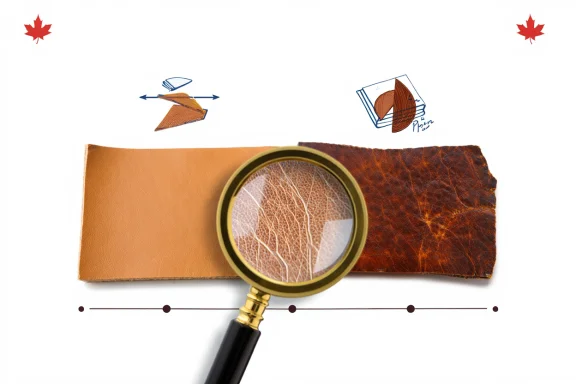
That vintage briefcase your grandfather carried through forty years of Toronto business meetings didn’t start with its rich, lustrous appearance. The deep amber tones, subtle wear patterns, and buttery smooth texture developed gradually through a fascinating process called patina – leather’s natural aging that transforms new goods into objects of enduring beauty and character.
Understanding patina development isn’t just academic curiosity – it’s practical knowledge that helps leather owners guide their goods toward beautiful aging rather than unfortunate deterioration. Whether you’re nursing a new Calgary-made wallet through its first year or managing a collection of Montreal leather jackets, understanding the science behind patina helps you make decisions that enhance rather than hinder this natural transformation process.
The Science Behind Leather Patina Formation
Leather’s Living Structure and Aging Process
Despite being processed and preserved, leather retains structural characteristics that make it responsive to environmental conditions and use patterns throughout its lifetime.
Collagen fiber behavior over time:
- Molecular rearrangement: Collagen fibers gradually realign with use patterns and stress
- Natural oil migration: Leather’s inherent oils redistribute based on handling and environmental exposure
- Porosity changes: Natural aging affects leather’s ability to absorb and release moisture
- Fiber compaction: Regular use compresses fibers, creating smoother surface texture
- Chemical stability: Quality tanning processes create long-term stability supporting healthy aging
Cellular structure evolution:
- Pore refinement: Natural leather pores become more defined with proper aging
- Grain enhancement: Quality leather develops more pronounced grain patterns over time
- Surface character: Use patterns create unique texture variations across the leather surface
- Flexibility improvement: Well-maintained leather becomes more supple with age
- Strength retention: Proper aging actually increases leather durability in many cases
Chemical Processes in Patina Development
Multiple chemical reactions occur simultaneously during leather aging, creating the complex color and texture changes we recognize as beautiful patina.
Oxidation reactions:
- Natural dye interaction: Leather dyes react with oxygen to create color depth and richness
- Oil polymerization: Natural and applied oils form protective polymer layers on the surface
- Protein cross-linking: Collagen proteins form additional bonds, enhancing durability
- UV-induced changes: Controlled sun exposure creates beneficial chemical modifications
- Moisture cycle effects: Repeated wetting and drying cycles enhance leather flexibility
Beneficial chemical transformations:
- pH stabilization: Aging leather reaches optimal pH levels for long-term stability
- Tannin migration: Tanning agents redistribute throughout leather structure
- Natural wax development: Surface oils transform into protective waxy layers
- Color saturation: Dyes penetrate deeper and achieve richer color expression
- Antimicrobial properties: Aged leather develops natural resistance to bacterial growth
Factors Affecting Patina Quality and Development
Environmental Influences on Aging
Canadian climate conditions create unique opportunities and challenges for beautiful patina development in leather goods.
Temperature effects on patina:
- Moderate heat acceleration: Gentle warming speeds beneficial chemical reactions
- Extreme heat damage: Excessive temperatures cause cracking and brittleness
- Cold weather impacts: Freezing temperatures slow patina development significantly
- Temperature cycling: Gradual changes promote healthy aging patterns
- Seasonal adaptation: Different care strategies for winter and summer conditions
Humidity’s role in patina formation:
- Optimal moisture levels: 45-55% relative humidity supports healthy aging
- Excessive moisture problems: High humidity promotes mold and uneven aging
- Dry condition effects: Low humidity causes cracking and poor color development
- Moisture cycling benefits: Controlled wet-dry cycles enhance flexibility
- Regional considerations: Adapting care for Maritime humidity vs. Prairie dryness
Usage Patterns and Patina Direction
How leather goods are used significantly influences the quality and character of developing patina.
Beneficial use patterns:
- Regular, consistent use: Daily handling promotes even aging across surfaces
- Varied positioning: Rotating carrying positions prevents excessive wear concentration
- Gentle stress application: Normal use stress enhances fiber alignment
- Natural oil transfer: Hand oils contribute to healthy patina development
- Functional loading: Proper use within design limits promotes structural aging
Usage patterns to avoid:
- Excessive overloading: Stress beyond design capacity causes premature failure
- Inconsistent handling: Sporadic use creates uneven aging patterns
- Harsh treatment: Rough handling damages developing patina
- Prolonged storage: Lack of use prevents healthy patina progression
- Chemical exposure: Cleaning products can disrupt natural aging processes
Care Product Impact on Patina Development
The products used to maintain leather significantly influence how patina develops over months and years.
Patina-enhancing care products:
- Natural conditioning oils: Neatsfoot, mink, and coconut oils support healthy aging
- Traditional leather balms: Beeswax-based products create protective surface layers
- pH-balanced cleaners: Proper cleaning maintains leather’s natural chemistry
- Minimal chemical treatments: Simple, natural products allow authentic aging
- Quality restoration products: Professional-grade treatments support long-term aging
Products that hinder patina development:
- Harsh chemical cleaners: Aggressive products strip natural oils and disrupt aging
- Silicone-based treatments: Synthetic products create artificial barriers to natural aging
- Petroleum derivatives: Petroleum products can cause long-term leather damage
- Excessive treatment frequency: Over-conditioning prevents natural development
- Colored conditioners: Artificial colors mask natural patina progression
Types of Patina: Recognizing Quality Development
Positive Patina Characteristics
Beautiful patina exhibits specific characteristics that indicate healthy leather aging and proper care throughout the development process.
Visual indicators of quality patina:
- Rich color deepening: Natural darkening that enhances rather than obscures leather character
- Even tone distribution: Consistent color development across leather surfaces
- Enhanced grain visibility: Natural leather texture becoming more pronounced over time
- Lustrous surface sheen: Subtle glow from natural oil polymerization
- Smooth texture development: Surface becoming increasingly pleasant to touch
Tactile qualities of good patina:
- Increased suppleness: Leather becoming more flexible while retaining strength
- Smooth surface texture: Natural oils creating silk-like touch characteristics
- Consistent feel: Even texture development across the entire leather surface
- Temperature responsiveness: Leather warming naturally to body temperature quickly
- Structural integrity: Maintaining strength while developing character
Problematic Patina Development
Recognizing poor aging helps leather owners take corrective action before permanent damage occurs.
Warning signs of poor patina:
- Uneven color development: Blotchy or inconsistent aging patterns
- Excessive darkening: Color changes that obscure leather’s natural character
- Surface cracking: Brittleness indicating inadequate moisture management
- Sticky or tacky feel: Over-conditioning or poor product selection results
- Loss of structural integrity: Aging that compromises leather’s functional strength
Environmental damage indicators:
- UV bleaching: Excessive sun exposure causing color fading
- Moisture staining: Water damage creating permanent discoloration
- Chemical burns: Harsh cleaning product damage to leather surface
- Mold or mildew: Biological growth indicating poor storage conditions
- Salt crystallization: Winter damage from road salt exposure
Regional Canadian Patina Development Patterns
Atlantic Canada: Maritime Influence on Aging
High humidity and salt air create unique patina development patterns requiring specific management approaches.
Maritime patina characteristics:
- Accelerated aging: High humidity speeds chemical reactions in leather
- Salt effects: Ocean air creates distinctive aging patterns and color development
- Moisture management: Constant humidity requires active moisture control
- Corrosion considerations: Metal hardware aging affects surrounding leather
- Seasonal variations: Storm seasons create rapid aging cycles
Maritime care adaptations:
- Dehumidification strategies: Controlling excessive moisture for even aging
- Salt removal protocols: Regular cleaning to prevent crystallization damage
- Hardware protection: Preventing corrosion that stains surrounding leather
- Ventilation importance: Air circulation preventing stagnant moisture problems
- Professional maintenance: Regular expert care for valuable pieces
Prairie Provinces: Dry Climate Patina Development
Low humidity and extreme temperature swings create specific challenges for healthy patina development.
Prairie patina patterns:
- Slow aging progression: Dry conditions extend natural patina development timeline
- Temperature stress: Extreme seasonal changes affecting leather flexibility
- UV intensity: High altitude sun exposure accelerating certain aging aspects
- Dust integration: Fine particles becoming incorporated into surface patina
- Oil absorption enhancement: Dry conditions increasing leather’s absorption capacity
Prairie care strategies:
- Humidification needs: Adding moisture to support healthy aging
- UV protection: Shielding leather from intense summer sun exposure
- Temperature buffering: Gradual acclimatization during seasonal transitions
- Enhanced conditioning: Increased treatment frequency during dry periods
- Dust management: Regular cleaning preventing abrasive particle buildup
Central Canada: Urban Environment Effects
City environments create unique aging patterns influenced by pollution, temperature extremes, and indoor heating systems.
Urban patina development:
- Pollution integration: City air particles affecting color and texture development
- Heat cycling stress: Indoor-outdoor temperature changes accelerating aging
- Handling frequency: Urban lifestyle patterns affecting wear development
- Chemical exposure: Urban environment chemicals influencing aging chemistry
- Artificial light effects: Office and indoor lighting affecting color development
Urban care considerations:
- Pollution protection: Regular cleaning removing harmful particles
- Climate control: Managing indoor environment for healthy aging
- Professional cleaning: City conditions requiring expert maintenance
- Storage optimization: Urban space limitations affecting leather care
- Rotation strategies: Managing multiple pieces for even aging development
Enhancement Techniques for Beautiful Patina
Natural Enhancement Methods
Several techniques can guide leather toward beautiful patina development without using artificial methods that compromise authenticity.
Controlled exposure techniques:
- Gradual sun exposure: Brief, controlled UV exposure enhancing color development
- Temperature cycling: Gradual warming and cooling promoting fiber flexibility
- Humidity management: Optimal moisture levels supporting chemical reactions
- Natural oil application: Hand oils from regular use contributing to aging
- Stress pattern guidance: Intentional use patterns promoting even aging
Traditional enhancement methods:
- Bone folder burnishing: Traditional bookbinding technique creating surface luster
- Hand massage techniques: Regular manipulation promoting oil distribution
- Natural heat application: Body warmth enhancing oil penetration
- Controlled moisture exposure: Careful dampening followed by slow drying
- Historical techniques: Time-tested methods used by leather craftsmen
Professional Patina Enhancement Services
Professional leather workers offer specialized services to guide patina development for valuable or important pieces.
Professional enhancement offerings:
- Accelerated aging: Controlled processes creating years of patina in months
- Color matching: Balancing uneven aging across leather surfaces
- Texture development: Professional techniques enhancing grain visibility
- Repair integration: Making repairs blend seamlessly with existing patina
- Protective treatments: Applying products that support long-term aging
When to seek professional enhancement:
- High-value items: Expensive pieces justifying professional investment
- Uneven aging: Correcting poor patina development patterns
- Time constraints: Needing accelerated aging for specific purposes
- Restoration projects: Integrating repairs with existing patina
- Collection management: Maintaining consistent aging across multiple pieces
Patina Maintenance and Protection
Ongoing Care During Patina Development
Developing patina requires ongoing attention and care to ensure healthy progression toward beautiful aging.
Monitoring aging progression:
- Regular photography: Documenting patina development over time
- Condition assessment: Monthly evaluation of aging quality and evenness
- Problem identification: Early detection of poor aging patterns
- Care adjustment: Modifying treatment based on aging progression
- Professional consultation: Seeking expert advice for valuable pieces
Maintenance scheduling during aging:
- Conditioning frequency: Adjusting treatment schedule based on aging stage
- Cleaning protocols: Gentle maintenance supporting natural development
- Protection strategies: Seasonal adjustments for environmental changes
- Usage optimization: Balancing use with aging goals
- Storage considerations: Proper storage supporting healthy aging
Long-term Patina Preservation
Once beautiful patina develops, specific strategies help preserve and enhance the aging while preventing deterioration.
Preservation techniques:
- Stabilization treatments: Products that lock in beautiful aging
- Protection applications: UV and environmental protection for aged leather
- Gentle maintenance: Minimal intervention preserving natural character
- Professional assessment: Expert evaluation of aging stability
- Documentation: Recording care history for future reference
Avoiding patina disruption:
- Chemical avoidance: Preventing harsh treatments that strip aging
- Excessive cleaning: Over-maintenance disrupting natural surface development
- Environmental extremes: Protecting aged leather from damaging conditions
- Inappropriate storage: Conditions that reverse or damage developed patina
- Handling changes: Maintaining consistent use patterns supporting aging
Patina Timeline: What to Expect Over Time
First Year Development
New leather undergoes significant changes during its first twelve months of use and aging.
0-3 months: Initial settling
- Surface adaptation: Leather adjusting to use patterns and environmental conditions
- Initial color changes: First subtle darkening and tone development
- Flexibility improvement: Gradual softening with regular use
- Oil absorption: Initial conditioning treatments penetrating leather structure
- Shape conforming: Leather adapting to user preferences and handling patterns
3-6 months: Character emergence
- Grain enhancement: Natural texture becoming more pronounced
- Wear pattern development: High-use areas beginning to show character
- Color deepening: More noticeable tone changes and richness development
- Surface sheen: Beginning of natural luster from oil polymerization
- Handling improvement: Leather becoming more pleasant to touch
6-12 months: Established character
- Distinctive aging: Unique character reflecting individual use patterns
- Color stabilization: Aging rate beginning to slow and stabilize
- Surface refinement: Smooth texture development from regular handling
- Patina foundation: Basic aging providing foundation for long-term development
- Personal adaptation: Leather fully adapted to owner’s use patterns
Long-term Aging Expectations
Quality leather continues developing beautiful character for decades with proper care and regular use.
Years 2-5: Maturation phase
- Color richness: Deep, complex tones developing through continued aging
- Surface character: Distinctive texture patterns reflecting use history
- Flexibility optimization: Peak suppleness achieved through proper aging
- Patina stability: Aging patterns becoming well-established and predictable
- Value enhancement: Beautiful aging increasing leather’s desirability
Years 5+: Heritage development
- Heirloom character: Distinctive aging making pieces increasingly valuable
- Storytelling patina: Wear patterns telling the story of the leather’s life
- Collector appeal: Beautiful aging creating interest among leather enthusiasts
- Generational potential: Quality allowing pieces to be passed down
- Investment validation: Proper care creating lasting value and beauty
Common Patina Problems and Solutions
Uneven Aging Correction
Irregular patina development can often be corrected with appropriate techniques and patience.
Causes of uneven aging:
- Inconsistent use patterns: Varied handling creating irregular wear development
- Environmental differences: Exposure variations causing uneven aging
- Care product inconsistency: Different treatments creating patina variations
- Storage problems: Poor conditions causing irregular aging patterns
- Manufacturing variations: Leather quality differences affecting aging
Correction techniques:
- Gradual evening: Careful treatment to balance aging across surfaces
- Professional restoration: Expert correction of significant unevenness
- Usage pattern modification: Changing handling to promote even development
- Environmental control: Consistent conditions supporting uniform aging
- Patient correction: Allowing time for natural evening of aging patterns
Accelerated Aging Damage
Sometimes leather ages too quickly or in undesirable ways, requiring corrective intervention.
Over-aging symptoms:
- Excessive darkening: Color changes that obscure leather’s natural character
- Premature brittleness: Loss of flexibility from too-rapid aging
- Surface degradation: Aging that compromises leather’s structural integrity
- Unnatural appearance: Artificial-looking patina from poor aging conditions
- Functional impairment: Aging that interferes with leather’s intended use
Remedial approaches:
- Stabilization treatments: Products that slow or stop problematic aging
- Restoration techniques: Professional methods correcting aging damage
- Environmental modification: Changing conditions to prevent further damage
- Usage adjustment: Modifying handling to prevent additional stress
- Professional consultation: Expert assessment and treatment recommendations
Conclusion: Embracing Leather’s Natural Transformation
Understanding patina development transforms leather ownership from simple use to active partnership in creating beauty over time. The science behind aging reveals that beautiful patina isn’t accidental – it results from understanding how leather responds to environment, use, and care, then making informed decisions that guide development toward desirable outcomes.
Canadian leather owners have unique opportunities to create stunning patina through our diverse climate conditions and seasonal variations. From Maritime humidity that accelerates aging to Prairie dryness that requires patience, each region offers distinct possibilities for beautiful leather character development.
The key to successful patina development lies in understanding that aging is inevitable – the question is whether it will be beautiful or disappointing. By comprehending the science behind leather transformation, recognizing quality aging patterns, and providing appropriate care throughout the process, leather owners can ensure their goods develop the rich character and lasting beauty that makes vintage leather so coveted.
Remember that patina development is measured in years, not months. Patience, consistent care, and understanding of natural processes create the most beautiful results. Every day of proper use and maintenance contributes to the eventual character that will make your leather goods increasingly beautiful and valuable over time.
Start observing your leather’s aging process today, documenting changes and adjusting care based on development patterns. Your patience and attention will be rewarded with leather goods that become more beautiful, more valuable, and more personally meaningful with each passing year.