Seasonal Leather Care: Adapting Your Routine Year-Round
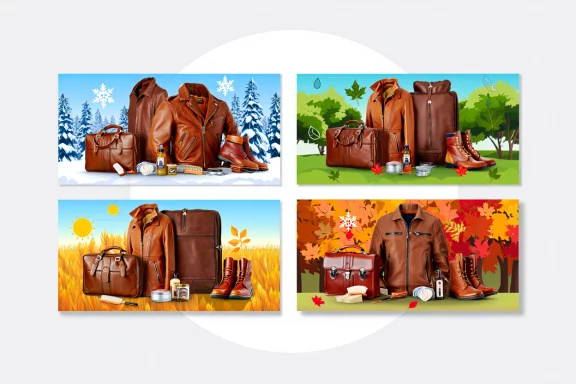
That premium leather briefcase you bought in Vancouver looked pristine until it survived its first Winnipeg winter – now it shows salt stains, dried-out edges, and the kind of weather damage that makes expensive leather look prematurely aged. Meanwhile, your leather jacket stored improperly through a humid Toronto summer developed mold spots that required professional restoration. Sound familiar? Canadian weather presents unique challenges that demand seasonal leather care strategies adapted to our extreme climate variations.
Understanding seasonal leather care isn’t just about preservation – it’s about ensuring your quality leather investments continue performing and looking their best through decades of Canadian weather extremes. From Atlantic storm seasons to Prairie droughts, from brutal Continental winters to humid Great Lakes summers, each season demands specific care approaches that protect leather while allowing it to develop beautiful patina rather than destructive damage.
Understanding Canadian Climate Challenges for Leather
Regional Climate Variations and Their Impact
Canada’s diverse climate zones create distinct challenges for leather care, requiring region-specific maintenance approaches throughout the year.
Atlantic Canada climate characteristics:
- High humidity: Year-round moisture levels of 60-90% affecting leather flexibility and mold risk
- Salt air exposure: Coastal conditions accelerating hardware corrosion and leather degradation
- Temperature moderation: Smaller seasonal swings but constant moisture management needs
- Storm seasons: Intense weather events creating rapid moisture changes
- Extended wet periods: Prolonged dampness requiring active moisture control
Central Canada continental extremes:
- Temperature swings: -35°C winters to +35°C summers stressing leather materials
- Low winter humidity: Heated indoor air dropping below 20% causing leather brittleness
- Urban pollution: City environments adding chemical stress to leather surfaces
- Rapid seasonal transitions: Quick weather changes demanding flexible care approaches
- Indoor heating effects: Forced-air systems creating extreme dryness during heating season
Prairie province conditions:
- Extreme temperature ranges: -45°C to +40°C seasonal variations testing leather limits
- Very low humidity: Annual averages of 30-50% requiring constant moisture management
- High UV exposure: Intense sunlight and reflective snow accelerating leather fading
- Dust conditions: Agricultural and construction dust requiring frequent cleaning
- Severe weather events: Hail, windstorms, and blizzards creating leather protection challenges
Mountain and coastal regions:
- Altitude effects: UV intensity and rapid pressure changes affecting leather stability
- Microclimate variations: Dramatic differences between valleys and peaks
- Seasonal precipitation: Heavy snow loads and spring runoff creating moisture challenges
- Temperature inversions: Unusual weather patterns requiring adaptable care strategies
Seasonal Damage Patterns and Prevention
Different seasons create predictable damage patterns that can be prevented with appropriate care timing and techniques.
Winter damage mechanisms:
- Salt crystallization: Road chemicals drawing moisture from leather and leaving damaging residues
- Extreme cold brittleness: Low temperatures making leather rigid and crack-prone
- Rapid temperature changes: Moving between -30°C outdoors and +20°C indoors causing expansion stress
- Reduced flexibility: Cold leather becoming stiff and susceptible to cracking
- Storage damage: Improper winter storage causing permanent shape distortion
Summer damage factors:
- UV degradation: Intense sunlight breaking down leather fibers and fading colors
- Heat stress: High temperatures accelerating aging and potentially causing warping
- Humidity fluctuations: Moisture changes causing expansion and contraction cycles
- Increased activity: Summer outdoor use exposing leather to sweat, dust, and abrasion
- Storage neglect: Improper summer storage allowing mold and insect damage
Spring Leather Care: Awakening and Renewal
Post-Winter Assessment and Restoration
Spring represents the critical transition from winter protection mode to active use preparation, requiring systematic evaluation and restoration.
Comprehensive spring inspection process:
- Visual damage assessment: Identifying salt stains, drying, cracking, or color changes from winter exposure
- Flexibility testing: Gently flexing leather to assess brittleness or stiffness requiring attention
- Hardware evaluation: Checking buckles, zippers, and clasps for corrosion or operation problems
- Structural integrity: Examining stitching, edges, and stress points for winter damage
- Storage damage check: Looking for moisture damage, mold, or pest activity in stored items
Spring restoration techniques:
- Salt removal protocol: Gentle cleaning with appropriate leather cleaners to remove winter salt residue
- Deep conditioning: Intensive moisture restoration after dry winter conditions
- Flexibility restoration: Working leather gently to restore suppleness and natural movement
- Color restoration: Professional treatment for fading or discoloration from winter exposure
- Hardware maintenance: Cleaning and lubricating metal components to prevent ongoing corrosion
Preparing for Active Season Use
Spring preparation ensures leather goods are ready for increased use during warmer months while establishing maintenance routines.
Seasonal transition care:
- Gradual acclimatization: Slowly introducing stored leather goods to ambient conditions
- Moisture balance restoration: Adjusting leather moisture content for spring humidity levels
- UV protection application: Preparing leather for increased sun exposure during longer days
- Wear pattern preparation: Conditioning areas that will see increased use during active season
- Maintenance schedule establishment: Setting up regular care routines for active use period
Spring care product selection:
- Gentle cleaners: Products removing winter damage without over-stripping natural oils
- Intensive conditioners: Rich treatments restoring moisture after dry winter storage
- Protection products: UV-resistant treatments preparing leather for summer sun exposure
- Flexibility enhancers: Products promoting suppleness and natural movement
- Hardware care: Appropriate lubricants and protectants for metal components
Summer Leather Care: Protection and Activity Management
Heat and UV Protection Strategies
Canadian summers can be surprisingly intense, with UV levels and temperatures that damage unprotected leather through extended exposure.
UV damage prevention:
- Shade storage: Keeping leather goods away from direct sunlight during hottest parts of day
- UV-blocking treatments: Protective products containing sunscreen compounds for leather
- Rotation strategies: Alternating between multiple items to reduce individual sun exposure
- Window protection: UV-filtering films for car windows and office spaces
- Outdoor activity planning: Timing leather use to minimize peak UV exposure periods
Heat stress management:
- Temperature monitoring: Avoiding storage in vehicles or areas exceeding 35°C
- Ventilation importance: Ensuring air circulation around stored leather goods
- Cooling strategies: Using fans or air conditioning to maintain moderate storage temperatures
- Material selection: Choosing lighter-weight leather goods for summer activities
- Activity modification: Adjusting use patterns to reduce heat stress on leather items
Managing Increased Activity and Sweat Exposure
Summer activities typically increase wear on leather goods while exposing them to moisture, dust, and abrasion requiring proactive care.
Activity-based care strategies:
- Pre-activity preparation: Applying appropriate protection before outdoor activities
- Post-activity cleaning: Immediate removal of sweat, dust, and environmental contaminants
- Drying protocols: Proper air-drying techniques preventing mold while maintaining leather health
- Rotation systems: Using multiple items to allow proper recovery time between uses
- Activity-specific products: Specialized leather treatments for high-activity applications
Sweat and moisture management:
- Immediate attention: Quick response to sweat exposure preventing permanent staining
- Gentle cleaning techniques: Methods removing salt and proteins without damaging leather
- Proper drying: Air-drying away from direct heat while maintaining shape
- Antimicrobial treatments: Products preventing bacterial growth from organic residues
- Moisture barrier applications: Treatments reducing sweat absorption without blocking breathability
Summer Storage Solutions
Proper summer storage protects leather goods not in regular use while maintaining their condition through humid months.
Climate-controlled storage:
- Temperature regulation: Maintaining consistent temperatures between 18-24°C
- Humidity control: Managing moisture levels between 45-55% relative humidity
- Air circulation: Ensuring adequate airflow preventing stagnant conditions
- Pest prevention: Monitoring for insects attracted to stored leather goods
- Regular inspection: Monthly checks for condition changes during storage
Storage preparation techniques:
- Thorough cleaning: Complete removal of all soil, sweat, and contaminants before storage
- Conditioning application: Appropriate moisture levels for long-term storage
- Shape maintenance: Proper stuffing and support preventing permanent distortion
- Protective wrapping: Breathable materials protecting while allowing air circulation
- Documentation: Recording storage date and condition for tracking purposes
Fall Leather Care: Preparation and Protection
Preparing for Winter Weather Challenges
Fall preparation determines how well leather goods survive the upcoming winter, making this season critical for long-term leather health.
Pre-winter conditioning program:
- Intensive moisture treatment: Building up leather’s moisture reserves before dry winter air
- Flexibility enhancement: Ensuring leather remains supple despite cold temperatures
- Weather protection application: Treatments providing barriers against winter moisture and salt
- Hardware protection: Preventing corrosion during salt exposure season
- Structural reinforcement: Strengthening stress points before winter loading
Weather barrier applications:
- Water resistance treatments: Products reducing moisture absorption without blocking breathability
- Salt protection: Specialized treatments creating barriers against road chemical damage
- Cold weather flexibility: Products maintaining leather suppleness at low temperatures
- UV protection maintenance: Continued protection against winter sun and snow reflection
- Breathability preservation: Ensuring treatments don’t compromise leather’s natural characteristics
Seasonal Transition Management
Fall’s unpredictable weather requires flexible care approaches as conditions change rapidly between summer and winter extremes.
Adaptation strategies:
- Weather monitoring: Tracking conditions to adjust care routines appropriately
- Flexible product selection: Having both summer and winter care products readily available
- Gradual transition: Slowly adjusting care intensity as weather conditions change
- Activity modification: Adapting leather use patterns to changing weather conditions
- Emergency preparedness: Keeping immediate care products available for unexpected weather
Maintenance scheduling:
- Intensive pre-winter care: Complete conditioning and protection before cold weather arrives
- Regular monitoring: Weekly checks during variable fall weather conditions
- Product rotation: Transitioning from summer to winter care product formulations
- Storage preparation: Gradually preparing less-used items for winter storage
- Professional services: Scheduling expert care before winter weather begins
Winter Leather Care: Survival and Protection
Cold Weather Leather Maintenance
Canadian winters present the most challenging conditions for leather goods, requiring specialized care approaches and constant vigilance.
Daily winter care routines:
- Pre-exposure protection: Applying appropriate treatments before outdoor activities
- Post-exposure cleaning: Immediate removal of salt, snow, and moisture after use
- Gradual warming: Allowing leather to acclimatize slowly to indoor temperatures
- Shape maintenance: Proper drying and storage preventing permanent distortion
- Ongoing monitoring: Daily inspection for signs of damage or needed care
Salt damage prevention:
- Protective barriers: Products creating effective barriers against road salt penetration
- Immediate removal: Prompt cleaning of visible salt residue before crystallization
- pH neutralization: Using appropriate cleaners to counteract alkaline salt effects
- Deep cleaning: Weekly thorough cleaning during heavy salt exposure periods
- Professional intervention: Seeking expert care for severe salt damage
Extreme Cold Weather Strategies
Temperatures below -20°C require special considerations to prevent permanent leather damage and maintain functionality.
Extreme cold precautions:
- Pre-warming: Gradually warming leather before use preventing cold shock
- Flexibility maintenance: Using products specifically designed for extreme cold performance
- Activity limitation: Reducing stress on leather during extremely cold periods
- Emergency care: Having warming and flexibility treatments readily available
- Professional guidance: Consulting experts for leather goods requiring extreme cold exposure
Indoor heating adaptation:
- Humidity management: Adding moisture to combat dry indoor air during heating season
- Gradual acclimatization: Allowing leather to adjust slowly to indoor heating
- Moisture monitoring: Tracking leather moisture levels during dry winter periods
- Conditioning frequency: Increasing treatment frequency during peak heating season
- Professional assessment: Expert evaluation of winter damage and care effectiveness
Winter Storage and Organization
Proper winter storage organization ensures leather goods remain accessible while protecting items not in regular winter use.
Winter storage systems:
- Climate-controlled areas: Maintaining consistent temperature and humidity for stored items
- Easy access organization: Keeping frequently-used items readily available
- Rotation scheduling: Periodic use of stored items preventing long-term stagnation
- Condition monitoring: Regular checks on stored items throughout winter
- Spring preparation: Planning for spring restoration of winter-stored goods
Storage environment optimization:
- Humidity control: Maintaining 45-55% relative humidity despite indoor heating
- Temperature stability: Avoiding storage areas with extreme temperature fluctuations
- Air circulation: Ensuring adequate airflow around stored leather goods
- Pest prevention: Monitoring for winter pest activity around stored items
- Documentation: Tracking storage conditions and item status throughout winter
Regional Care Adaptations Across Canada
Atlantic Canada: Maritime Climate Management
The Maritime provinces’ unique climate conditions require specialized approaches to leather care throughout the year.
Humidity management strategies:
- Constant dehumidification: Active moisture control year-round due to ocean influence
- Mold prevention: Enhanced vigilance against biological growth in humid conditions
- Salt air protection: Specialized treatments for constant salt exposure
- Storm preparation: Rapid response capabilities for severe weather events
- Ventilation emphasis: Enhanced air circulation to combat persistent humidity
Seasonal adaptation for Maritime conditions:
- Spring: Intensive mold inspection and moisture removal after winter humidity
- Summer: Aggressive humidity control during peak moisture periods
- Fall: Storm season preparation with enhanced weather protection
- Winter: Coastal wind and spray protection while managing indoor heating effects
Central Canada: Continental Extreme Management
Ontario and Quebec’s continental climate creates dramatic seasonal swings requiring flexible care approaches.
Temperature extreme adaptation:
- Thermal shock prevention: Gradual temperature transitions protecting leather structure
- Humidity cycling: Managing extreme seasonal humidity variations
- Urban pollution: Enhanced cleaning protocols for city environmental contamination
- Heating season care: Intensive moisture management during forced-air heating periods
- Air conditioning effects: Managing summer dehumidification impacts
Seasonal priorities for continental climate:
- Spring: Comprehensive restoration after extreme winter conditions
- Summer: UV protection and urban pollution management
- Fall: Intensive winter preparation for extreme cold
- Winter: Aggressive salt protection and flexibility maintenance
Prairie Provinces: Dry Climate and Extreme Temperature Management
Manitoba, Saskatchewan, and Alberta present unique challenges from extreme dryness and temperature variations.
Moisture management in dry climates:
- Enhanced conditioning: Increased frequency of moisture treatments year-round
- Humidity addition: Active humidification of storage environments
- Dust protection: Specialized cleaning for agricultural and construction dust
- UV intensity management: Enhanced sun protection due to clear skies and high altitude
- Wind protection: Barriers against constant wind exposure
Prairie seasonal adaptations:
- Spring: Dust management and UV protection restoration
- Summer: Intensive UV protection and drought stress management
- Fall: Moisture building before extreme winter dryness
- Winter: Extreme cold protection and continued moisture management
Mountain and Coastal Regions: Microclimate Adaptation
British Columbia’s diverse microclimates require flexible approaches adapted to local conditions.
Elevation and microclimate considerations:
- UV intensity variation: Adjusting protection based on elevation and latitude
- Rapid weather changes: Flexible care approaches for unpredictable conditions
- Moisture variation: Adapting to dramatic humidity differences between regions
- Temperature inversion management: Care strategies for unusual weather patterns
- Seasonal activity variation: Adapting care to outdoor recreation patterns
Regional seasonal priorities:
- Coastal areas: Marine environment protection similar to Maritime provinces
- Interior valleys: Continental-style care with additional UV protection
- Mountain regions: Extreme weather protection with altitude considerations
- Urban areas: Pollution management combined with regional climate factors
Professional Seasonal Care Services
When to Seek Professional Help
Certain seasonal conditions and damage types require professional intervention beyond routine home care capabilities.
Professional service indicators:
- Severe salt damage: Crystallization and staining beyond home treatment capabilities
- Mold or mildew growth: Biological contamination requiring specialized cleaning
- Structural damage: Winter freezing or summer heat causing permanent distortion
- Color restoration: Seasonal fading or discoloration needing professional color matching
- Preventive maintenance: Annual professional assessment and intensive conditioning
Seasonal professional service timing:
- Spring restoration: Post-winter damage assessment and comprehensive restoration
- Summer protection: Pre-season UV protection and intensive conditioning
- Fall preparation: Professional winter preparation and protection application
- Winter emergency: Crisis intervention for severe weather damage
- Annual maintenance: Comprehensive professional care regardless of season
Selecting Qualified Seasonal Care Providers
Finding reliable professional leather care services requires understanding qualifications and seasonal expertise.
Professional qualification indicators:
- Seasonal experience: Demonstrated expertise in Canadian climate challenges
- Regional knowledge: Understanding of local climate conditions and challenges
- Product expertise: Knowledge of appropriate seasonal care products and techniques
- Equipment quality: Professional-grade tools and treatment facilities
- Insurance coverage: Proper liability coverage for valuable leather goods
Service evaluation criteria:
- Seasonal specialization: Specific experience with climate-related leather damage
- Restoration capabilities: Ability to repair and restore weather-damaged leather
- Preventive services: Proactive protection treatments for upcoming seasons
- Emergency availability: Crisis response for severe weather damage
- Long-term relationship: Ongoing seasonal care partnership development
Seasonal Care Product Selection and Storage
Building Your Seasonal Care Kit
Effective seasonal leather care requires having appropriate products readily available for each season’s specific challenges.
Essential product categories:
- Cleaners: Season-specific formulations for different types of soil and damage
- Conditioners: Various viscosities and intensities for different seasonal needs
- Protectants: Weather-specific treatments for UV, moisture, and salt protection
- Emergency supplies: Quick-response products for immediate damage control
- Tools and accessories: Brushes, cloths, and application tools for different seasons
Seasonal product selection:
- Spring: Intensive cleaners and restoration conditioners for winter damage recovery
- Summer: UV protectants and sweat-resistant treatments for active use
- Fall: Penetrating conditioners and weather barriers for winter preparation
- Winter: Salt-resistant protectants and flexibility enhancers for extreme conditions
Product Storage and Rotation
Proper care product storage ensures effectiveness while seasonal rotation maintains product freshness and appropriateness.
Storage best practices:
- Temperature control: Maintaining product storage between 10-25°C for optimal effectiveness
- Light protection: Storing products away from UV exposure that degrades active ingredients
- Container integrity: Ensuring airtight storage preventing contamination and evaporation
- Inventory rotation: Using oldest products first while maintaining fresh supplies
- Seasonal organization: Easy access to appropriate products for current conditions
Product effectiveness maintenance:
- Expiration monitoring: Tracking product age and replacing expired treatments
- Consistency checking: Evaluating products for separation or texture changes
- Effectiveness testing: Confirming products still provide expected results
- Professional consultation: Expert advice on product selection and replacement timing
- Quality investment: Choosing proven products over experimental or bargain alternatives
Creating Your Personal Seasonal Leather Care Calendar
Developing Customized Care Schedules
Personal leather care calendars ensure consistent maintenance while adapting to individual usage patterns and regional climate conditions.
Calendar development process:
- Inventory assessment: Cataloging all leather goods requiring seasonal care
- Usage pattern analysis: Understanding when and how different items are used
- Climate research: Researching specific regional weather patterns and timing
- Professional consultation: Expert advice on timing and frequency for your situation
- Schedule creation: Developing realistic, sustainable care routines
Maintenance scheduling factors:
- Item frequency: Daily-use items requiring more frequent attention
- Seasonal transitions: Intensive care during weather changes
- Storage cycles: Preparation and monitoring schedules for stored items
- Professional services: Timing annual professional care appointments
- Emergency preparedness: Having supplies and procedures ready for unexpected weather
Monitoring and Adjustment Strategies
Effective seasonal care requires ongoing monitoring and adjustment based on results and changing conditions.
Performance tracking:
- Condition documentation: Photo records tracking leather condition over time
- Care effectiveness: Evaluating success of different products and techniques
- Damage prevention: Monitoring for early signs of seasonal damage
- Professional feedback: Regular expert assessment of care routine effectiveness
- Continuous improvement: Refining techniques based on experience and results
Adaptive management:
- Weather response: Adjusting care intensity based on seasonal severity
- Usage changes: Modifying care routines when usage patterns change
- Age consideration: Increasing care intensity as leather goods age
- Technology updates: Incorporating new products and techniques as available
- Professional development: Continuing education in leather care techniques
Conclusion: Mastering Year-Round Leather Protection
Seasonal leather care isn’t just about following a calendar – it’s about understanding how Canadian weather affects leather and responding proactively to protect your investments while allowing them to develop beautiful character. Each season presents unique opportunities and challenges that, when properly managed, contribute to leather goods becoming more beautiful and valuable over time.
The key to successful seasonal leather care lies in understanding your specific regional climate, monitoring your leather goods regularly, and maintaining consistent care routines adapted to changing conditions. Canadian leather owners who master seasonal care techniques enjoy leather goods that not only survive our extreme weather but actually benefit from the character development that comes from proper care through diverse conditions.
Remember that seasonal leather care is an investment in longevity, functionality, and beauty. The time and resources invested in proper seasonal maintenance pay dividends through extended product life, maintained appearance, and the satisfaction that comes from owning well-cared-for leather goods that improve with age.
Whether you’re managing a single leather briefcase or an extensive collection, seasonal care principles remain the same: understand your climate challenges, prepare proactively for seasonal changes, maintain consistent care routines, and seek professional help when needed. Your leather goods will reward this attention with decades of reliable service and increasingly beautiful character.
Start implementing seasonal leather care routines today, adapting these guidelines to your specific regional conditions and personal leather collection. Your future self will appreciate the foresight when you’re still enjoying beautifully maintained leather goods that others have long since replaced due to weather damage and neglect.