Troubleshooting Common Leather Problems: Stains, Scratches, and Wear
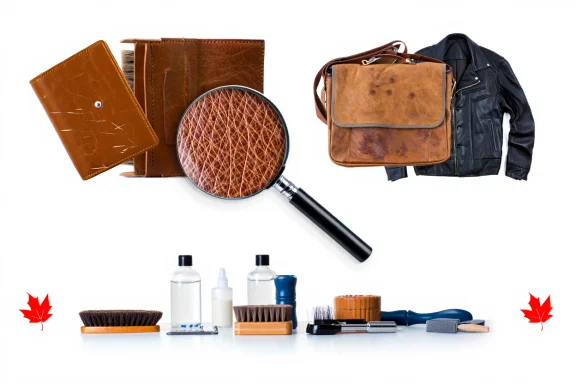
That expensive leather briefcase you bought in Calgary now sports a mysterious stain from last week’s coffee spill. Your favourite leather jacket from that Toronto boutique has developed scratches from daily wear. Sound familiar? Every leather owner faces these moments when damage threatens to ruin a cherished piece – but most problems aren’t as hopeless as they first appear.
Professional leather repair isn’t magic, but it does require the right knowledge, techniques, and timing. After restoring thousands of leather pieces across Canada, from vintage bomber jackets found in Winnipeg estate sales to water-damaged boots from Maritime fishing villages, I’ve learned that most leather problems have solutions – if you know what you’re doing and act quickly.
Understanding Leather Damage: Assessment Before Action
Types of Leather and Damage Susceptibility
Different leather types respond differently to damage and repair techniques. Understanding your leather’s characteristics prevents costly mistakes during repair attempts.
Full-grain leather damage patterns:
- Develops beautiful patina but shows scratches prominently
- Absorbs stains deeply but often self-heals minor surface damage
- Responds well to professional restoration techniques
- Ages gracefully with proper care and maintenance
Top-grain leather considerations:
- Surface treatments may complicate stain removal
- Scratches can penetrate protective coatings
- Color matching for repairs can be challenging
- Generally more predictable repair outcomes
Split leather repair limitations:
- Heavy processing limits repair options
- Surface coatings may peel or flake during treatment
- Often more cost-effective to replace than repair
- Simple cleaning techniques usually most appropriate
Damage Assessment Protocol
Before attempting any repair, thorough assessment prevents making problems worse and helps determine realistic expectations.
Initial damage evaluation:
- Photograph damage from multiple angles for documentation
- Test leather flexibility in undamaged areas
- Identify leather type and any surface treatments
- Determine age and extent of damage
- Research original manufacturer recommendations
Professional consultation indicators:
- Damage covering more than 10% of item surface
- Structural damage affecting item functionality
- Sentimental or high-value items requiring guaranteed results
- Unknown leather types or specialized treatments
- Multiple types of damage requiring coordinated treatment
Stain Removal: Strategic Approaches by Stain Type
Water Stains: Canada’s Most Common Problem
Canadian weather creates frequent water stain challenges, from melting snow to unexpected downpours across our diverse climate zones.
Fresh water stain treatment:
- Immediate action: Blot excess moisture with clean, absorbent cloth
- Even distribution: Dampen entire panel or section with clean water
- Controlled drying: Allow gradual air drying away from heat sources
- Shape maintenance: Stuff items to maintain form during drying
- Conditioning: Apply appropriate conditioner once completely dry
Set water stain removal:
- Assessment: Determine if stains are mineral deposits or mold/mildew
- Gentle cleaning: Use saddle soap or specialized leather cleaner
- Targeted treatment: Apply diluted white vinegar for mineral stains
- Neutralization: Clean with damp cloth to remove cleaning residue
- Restoration: Condition and potentially re-color affected areas
Oil and Grease Stains: Kitchen and Garage Challenges
Oil-based stains require immediate action and specialized techniques to prevent permanent damage.
Fresh oil stain protocol:
- Absorption phase: Cover immediately with cornstarch or talcum powder
- Wait period: Leave absorbing powder for 2-4 hours minimum
- Removal: Brush away powder gently with soft brush
- Assessment: Evaluate remaining stain and repeat if necessary
- Cleaning: Use specialized degreasing leather cleaner if stain persists
Set oil stain treatment:
- Heat application: Gentle warming with hair dryer to liquify oils
- Absorption enhancement: Apply fresh powder while warm
- Professional solvents: Use appropriate leather-safe degreasers
- Color restoration: May require professional color matching
- Protection: Apply protectant to prevent future staining
Ink and Dye Stains: Pen Accidents and Color Transfer
Ink stains require careful treatment to avoid spreading the problem across larger areas.
Ballpoint pen ink removal:
- Immediate dabbing: Use clean cloth to remove excess ink
- Solvent application: Apply small amount of rubbing alcohol with cotton swab
- Controlled treatment: Work from outside of stain toward center
- Neutralization: Clean with leather cleaner to remove alcohol residue
- Conditioning: Restore natural oils after solvent treatment
Permanent marker and dye transfer:
- Professional assessment: Determine if home treatment is appropriate
- Test areas: Try removal techniques in inconspicuous locations first
- Gradual approach: Multiple gentle treatments better than aggressive single attempt
- Color matching: Professional restoration often required for visible areas
Scratch Repair: From Minor Scuffs to Deep Gouges
Surface Scratch Treatment
Many scratches that look serious are actually superficial and respond well to simple treatments.
Minor surface scratch repair:
- Assessment: Determine scratch depth using fingernail test
- Cleaning: Remove dirt and debris from scratch area
- Heat treatment: Gentle warming with hair dryer or body heat
- Massage technique: Rub scratched area with clean fingers to redistribute oils
- Conditioning: Apply leather conditioner to treated area
Medium depth scratch restoration:
- Color assessment: Determine if scratch penetrates dye layer
- Leather cream application: Use matching leather cream or polish
- Buffing technique: Gentle circular motions with soft cloth
- Heat setting: Careful warming to help product penetrate
- Protection: Apply appropriate protectant once repair is complete
Deep Scratch and Gouge Repair
Serious scratches require professional techniques and may need color restoration.
Professional repair approach:
- Damage documentation: Photograph before beginning treatment
- Preparation: Clean area thoroughly and allow complete drying
- Filler application: Use appropriate leather filler for deep gouges
- Sanding: Gentle smoothing once filler is completely cured
- Color matching: Apply base colors in thin, building layers
- Protective finish: Seal repair with appropriate topcoat
Tools and materials for serious repairs:
- Leather fillers: Various viscosities for different damage types
- Color matching paints: Professional leather refinishing products
- Fine sandpaper: 400-600 grit for smoothing filled areas
- Airbrush equipment: For professional color blending
- Protective sealers: UV-resistant topcoats for durability
Wear Pattern Restoration: Bringing Back the Beauty
Edge Wear and Cracking
Canadian weather extremes accelerate edge wear, particularly on frequently handled items like wallets and bags.
Edge restoration process:
- Assessment: Evaluate extent of cracking and structural integrity
- Cleaning: Remove accumulated dirt and old treatments
- Flexibility restoration: Apply penetrating conditioner to soften leather
- Color restoration: Use edge paint or dye to restore appearance
- Protection: Apply edge sealer to prevent future cracking
Preventive edge care:
- Regular conditioning: Monthly treatment for high-use items
- Weather protection: Use appropriate protectants before exposure
- Rotation: Alternate between similar items to reduce wear concentration
- Professional maintenance: Annual inspection and treatment for valuable pieces
Patina Management and Enhancement
Proper patina development enhances leather character while preventing unsightly wear patterns.
Controlled patina development:
- Even handling: Rotate usage patterns to prevent concentrated wear
- Regular cleaning: Prevent dirt buildup that causes uneven aging
- Conditioning consistency: Maintain appropriate moisture levels throughout
- UV protection: Prevent sun damage that causes irregular fading
Patina correction techniques:
- Color evening: Use matching leather dyes for consistency
- Texture restoration: Conditioning and massage to restore suppleness
- Professional refinishing: Complete restoration for severely uneven patina
Regional Canadian Leather Challenges
Atlantic Canada: Salt and Moisture Management
Maritime conditions create unique challenges requiring specialized prevention and treatment approaches.
Salt damage prevention:
- Immediate cleaning: Remove salt residue before it crystallizes
- Protection application: Use marine-grade leather protectants
- Storage considerations: Controlled humidity to prevent mold growth
- Hardware protection: Prevent corrosion that damages surrounding leather
Moisture-related problems:
- Mold treatment: Professional cleaning for established growth
- Drying techniques: Controlled drying to prevent cracking
- Ventilation improvement: Storage modifications for better air circulation
Prairie Provinces: Extreme Dryness and UV Exposure
Dry climate and intense UV exposure create specific damage patterns requiring targeted solutions.
Dryness-related damage:
- Increased conditioning frequency: Weekly treatment during dry periods
- Humidity management: Storage humidity control essential
- Flexibility maintenance: Regular massage and movement to prevent stiffness
- Crack prevention: Early intervention for minor surface cracks
UV damage restoration:
- Color restoration: Professional refinishing for faded areas
- Protective treatments: UV-blocking products for ongoing protection
- Storage modifications: Light protection for valuable pieces
Central Canada: Temperature Extreme Adaptations
Dramatic seasonal changes create expansion and contraction damage requiring specialized repair approaches.
Temperature damage patterns:
- Seasonal cracking: Stress fractures from thermal cycling
- Shape distortion: Warping from rapid temperature changes
- Hardware loosening: Metal expansion affecting leather attachment points
Adaptation strategies:
- Gradual acclimatization: Slow temperature transitions for stored items
- Seasonal maintenance: Intensive conditioning before extreme weather periods
- Storage climate control: Temperature buffering for valuable pieces
Prevention Strategies: Protecting Your Investment
Daily Care Routines
Consistent daily care prevents most leather problems from developing into serious damage requiring professional intervention.
Morning preparation routine:
- Weather assessment: Choose appropriate protection for conditions
- Quick inspection: Check for new damage requiring immediate attention
- Protection application: Use weather-appropriate sprays or treatments
- Proper loading: Avoid overstuffing bags that stress leather
Evening maintenance habits:
- Cleaning: Remove daily accumulation of dirt and moisture
- Shape maintenance: Proper storage to maintain form
- Damage assessment: Check for new problems requiring treatment
- Conditioning schedule: Apply treatments according to manufacturer recommendations
Seasonal Maintenance Programs
Comprehensive seasonal maintenance prevents cumulative damage and extends leather life significantly.
Spring preparation (March-May):
- Deep cleaning: Remove winter salt and accumulated grime
- Damage assessment: Identify winter damage requiring repair
- Conditioning: Restore moisture after dry winter conditions
- Protection upgrade: Apply fresh protective treatments for active season
Summer care (June-August):
- UV protection: Enhanced protection for sun exposure
- Humidity management: Storage adjustments for humid conditions
- Ventilation: Ensure proper air circulation around stored items
- Mold prevention: Monitor for moisture-related problems
Fall preparation (September-November):
- Weather protection: Heavy-duty treatments for harsh weather ahead
- Structural assessment: Check hardware and stitching before winter stress
- Storage preparation: Organize rotation system for seasonal items
- Professional maintenance: Annual inspection and treatment for valuable pieces
Winter protection (December-February):
- Salt protection: Daily removal of road salt and chemicals
- Moisture management: Controlled drying after weather exposure
- Static prevention: Humidity maintenance to prevent static damage
- Emergency care: Immediate treatment for weather-related damage
Professional vs. DIY Repair Decisions
When to Attempt Home Repairs
Understanding your skill level and the repair complexity helps avoid making problems worse through inappropriate treatment attempts.
Suitable DIY repairs:
- Surface cleaning: Regular maintenance and light stain removal
- Minor scratches: Superficial damage not penetrating dye layer
- Conditioning: Routine maintenance and flexibility restoration
- Water stains: Fresh damage caught immediately
- Basic protection: Application of protective treatments
DIY repair limitations:
- Color matching: Difficult without professional experience
- Structural damage: Repairs affecting item functionality
- Complex stains: Multiple stain types or unknown substances
- Antique items: Valuable pieces requiring guaranteed results
- Specialized leathers: Exotic materials needing expert knowledge
Professional Restoration Services
Knowing when to seek professional help saves time, money, and prevents irreversible damage to valuable leather goods.
Professional consultation indicators:
- High-value items: Insurance replacement cost exceeding $500
- Sentimental pieces: Irreplaceable family heirlooms or gift items
- Complex damage: Multiple problem types requiring coordinated treatment
- Failed DIY attempts: Previous repair efforts that didn’t achieve desired results
- Specialty applications: Work leather, antique pieces, or exotic materials
Professional service expectations:
- Detailed assessment: Written evaluation of damage and repair options
- Realistic timelines: 2-6 weeks typical for complex restoration
- Cost transparency: Clear pricing before beginning work
- Warranty protection: Guarantee on repair work quality
- Care instructions: Ongoing maintenance recommendations
Emergency Repair Techniques
Field Repairs for Immediate Problems
Sometimes leather damage occurs when professional help isn’t available, requiring temporary solutions to prevent further deterioration.
Travel repair kit essentials:
- Multi-purpose leather cleaner: Single product for various stain types
- Small conditioning cream: Immediate treatment for dry or cracked areas
- Clean cloths: Soft, lint-free materials for cleaning and buffing
- Protective spray: Weather protection for unexpected conditions
- Basic tools: Small brush and cotton swabs for precise application
Emergency stain treatment:
- Immediate assessment: Identify stain type and extent
- Damage limitation: Prevent spread to unaffected areas
- Absorption: Remove excess liquid or debris
- Temporary protection: Cover area to prevent additional damage
- Professional consultation: Contact expert advice as soon as possible
Temporary Solutions for Structural Damage
Structural damage requires immediate stabilization to prevent complete failure while arranging professional repair.
Temporary reinforcement techniques:
- Tape reinforcement: Clear, removable tape for split seams
- Shape maintenance: Stuffing or support to prevent permanent distortion
- Load redistribution: Avoid stress on damaged areas
- Weather protection: Enhanced protection for compromised areas
Cost-Effective Repair Strategies
Prioritizing Repair Investments
Understanding which repairs provide the best return on investment helps allocate maintenance budgets effectively.
High-value repairs:
- Structural reinforcement: Prevents complete failure requiring replacement
- Color restoration: Maintains appearance and resale value
- Protection application: Prevents future damage requiring expensive treatment
- Professional assessment: Identifies problems before they become serious
Lower-priority repairs:
- Cosmetic improvements: Minor appearance issues not affecting function
- Perfectionist restoration: Achieving 100% original appearance on heavily used items
- Convenience modifications: Changes that don’t add significant value
- Experimental techniques: Unproven repair methods with uncertain outcomes
Long-term Maintenance Economics
Investing in proper maintenance and timely repairs costs significantly less than premature replacement of quality leather goods.
Maintenance cost analysis:
- Annual conditioning: $20-50 per item prevents hundreds in repair costs
- Professional cleaning: $50-100 every 2-3 years maintains appearance
- Minor repair: $25-75 prevents major damage requiring expensive restoration
- Protection treatments: $15-30 annually prevents weather damage
Replacement vs. repair decision factors:
- Repair cost exceeding 50% of replacement value: Usually not economical
- Structural integrity compromised: Safety and functionality concerns
- Multiple major problems: Cumulative repair costs exceeding replacement
- Fashion obsolescence: Style changes making repair investment questionable
Conclusion: Mastering Leather Problem-Solving
Professional leather repair isn’t about achieving perfection – it’s about preserving function, maintaining beauty, and extending the useful life of quality craftsmanship. Every scratch tells a story, every stain represents a memory, and proper repair techniques honor both the leather and the experiences it represents.
The key to successful leather problem-solving lies in understanding your limitations, acting quickly when damage occurs, and knowing when to seek professional help. With proper techniques and realistic expectations, most leather problems have solutions that restore both function and beauty.
Remember that prevention remains the most effective repair strategy. Daily care, seasonal maintenance, and appropriate protection prevent most problems from developing in the first place. When damage does occur, quick assessment and appropriate treatment often mean the difference between simple repair and expensive restoration.
Your leather goods represent investments in quality craftsmanship designed to last decades with proper care. By mastering these problem-solving techniques, you ensure those investments continue providing service, beauty, and satisfaction for years to come.
Start implementing these repair and prevention strategies today – your leather goods will thank you with improved appearance, extended life, and continued functionality through whatever challenges Canadian weather and daily use can throw at them.