The Economics of Artisan Leather Production in Canada
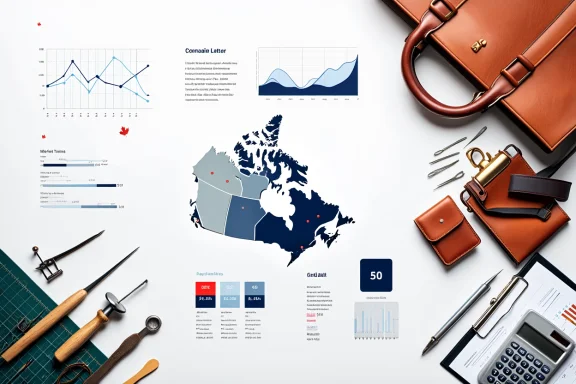
Walk into any Canadian artisan leather workshop from Charlottetown to Victoria, and you’ll witness a fascinating economic ecosystem that balances traditional craftsmanship with modern market demands. While mass-produced leather goods flood retail shelves at rock-bottom prices, Canadian leather artisans continue thriving by delivering value that transcends simple cost comparisons.
Understanding the economics behind artisan leather production reveals why a handcrafted wallet costs $180 while a factory-made version sells for $30 – and why discerning Canadian consumers increasingly choose quality over convenience. This market analysis examines the complex factors driving Canada’s artisan leather industry, from raw material costs in Alberta to retail strategies in downtown Toronto.
Canadian Artisan Leather Market Overview
Industry Size and Growth Trends
Canada’s artisan leather industry represents a significant segment within our broader manufacturing economy, with unique characteristics that set it apart from mass production.
Market statistics (2024 data):
- Over 2,500 registered artisan leather businesses across Canada
- Combined annual revenue exceeding $450 million
- Average annual growth rate of 8-12% over the past five years
- Employment for approximately 15,000 Canadians in direct production roles
- Export markets contributing 30% of total industry revenue
Growth drivers:
- Increased consumer awareness of sustainability and local production
- Rising disposable income among target demographics
- Growing appreciation for craftsmanship and heritage products
- E-commerce enabling direct artisan-to-consumer relationships
- Tourism industry supporting regional artisan communities
Regional Industry Clusters
Canadian artisan leather production concentrates in specific regions due to historical, economic, and resource factors.
Ontario leather cluster:
- Centered around Toronto and surrounding municipalities
- Focus on fashion accessories and urban professional goods
- Strong connections to fashion industry and design schools
- Access to skilled immigrant artisans bringing traditional techniques
Quebec artisan concentration:
- Blend of European traditions with North American innovation
- Emphasis on artistic and decorative leather work
- Strong domestic market appreciation for local craftsmanship
- Government support for traditional trades preservation
Western Canadian production:
- Alberta and Saskatchewan focus on ranch and outdoor gear
- British Columbia specializes in outdoor lifestyle products
- Access to high-quality hides from local livestock operations
- Tourist market driving demand for authentic Western goods
Atlantic regional specialization:
- Maritime heritage influences design and functionality
- Focus on weather-resistant and marine applications
- Strong community support for local artisan businesses
- Integration with regional tourism and cultural industries
Cost Structure Analysis
Raw Material Economics
Material costs represent 35-45% of production expenses for Canadian artisan leather businesses, significantly higher than mass production due to quality requirements and sourcing practices.
Premium hide costs (per square foot):
- Canadian full-grain cowhide: $8-15
- Import premium hides: $12-25
- Exotic leathers: $25-75+
- Specialty tanned materials: $15-30
Additional material requirements:
- Hardware (buckles, rivets, zippers): $2-15 per piece
- Thread and adhesives: $0.50-2 per item
- Finishing products (dyes, conditioners): $1-3 per item
- Packaging and presentation materials: $2-8 per item
Labor Cost Realities
Skilled leather artisans command premium wages reflecting their expertise and the time-intensive nature of handcraft production.
Canadian artisan wage ranges:
- Apprentice leather workers: $18-25 per hour
- Experienced artisans: $28-45 per hour
- Master craftspeople: $45-75 per hour
- Business owners: Variable based on business success
Production time factors:
- Simple wallet: 3-6 hours of skilled labor
- Quality briefcase: 12-20 hours of production time
- Custom jacket: 25-40 hours including fittings
- Specialty items: 50+ hours for complex pieces
Overhead and Infrastructure Costs
Operating an artisan leather workshop in Canada involves substantial fixed costs that must be distributed across production volume.
Monthly operational expenses:
- Workshop rent (varies by location): $1,500-8,000
- Utilities and insurance: $300-800
- Equipment maintenance and replacement: $200-500
- Professional services (accounting, legal): $300-600
- Marketing and business development: $500-2,000
Pricing Strategy and Market Positioning
Value-Based Pricing Models
Canadian artisan leather producers typically employ value-based pricing rather than simple cost-plus calculations, recognizing the premium customers place on craftsmanship and authenticity.
Pricing factor analysis:
- Material quality: Premium hides justify 40-60% price premiums
- Construction complexity: Hand-stitching adds 25-40% to base pricing
- Customization level: Personalization commands 20-50% premiums
- Brand reputation: Established artisans achieve 30-100% brand premiums
- Market positioning: Luxury positioning supports 200-400% margins over mass market
Competitive Pricing Analysis
Understanding competitive dynamics helps artisan producers position their products effectively within Canadian markets.
Market segment comparison (quality briefcase example):
- Mass retail imports: $50-150
- Canadian factory production: $200-400
- Artisan entry level: $400-600
- Established artisan brands: $600-1,200
- Luxury artisan pieces: $1,200-3,000+
Price sensitivity factors:
- Urban markets show higher price tolerance
- Professional demographics accept premium pricing for quality
- Gift buyers less price-sensitive for special occasions
- Corporate customers value durability and brand image
- Tourist purchases often impulse-driven with flexible budgets
Market Segmentation and Customer Analysis
Primary Customer Demographics
Canadian artisan leather customers represent specific demographic and psychographic profiles that drive purchasing decisions.
Core customer segments:
- Urban professionals (30-55 years): Value quality and durability for business use
- Affluent consumers (40-65 years): Appreciate craftsmanship and exclusivity
- Gift purchasers (all ages): Seeking meaningful, lasting presents
- Heritage enthusiasts (35-70 years): Connect with traditional craftsmanship values
- Sustainability advocates (25-45 years): Support local production and ethical practices
Purchase Decision Factors
Understanding why customers choose artisan leather over alternatives reveals market positioning opportunities.
Primary motivating factors:
- Quality and durability: Expected product lifespan of 10-30 years
- Craftsmanship appreciation: Value of human skill and attention to detail
- Local production support: Preference for Canadian-made goods
- Customization options: Ability to personalize products
- Sustainability concerns: Environmental and ethical production practices
Secondary considerations:
- Status and prestige: Premium product positioning and exclusivity
- Gift appropriateness: Suitable for special occasions and milestones
- Repair and service: Long-term support and maintenance availability
- Story and heritage: Connection to artisan background and traditions
Distribution Channels and Retail Economics
Direct-to-Consumer Sales
Many Canadian artisan leather producers rely heavily on direct sales to maintain profit margins and customer relationships.
Direct sales channels:
- Workshop retail: Average 40-60% of total sales volume
- Craft shows and markets: 15-30% of annual revenue
- Online sales: Growing to 20-40% for established businesses
- Custom orders: 10-25% typically highest margin sales
Direct sales advantages:
- Higher profit margins (60-70% vs 40-50% wholesale)
- Customer relationship control and feedback
- Brand story communication and education
- Flexibility in pricing and customization
- Reduced inventory and cash flow requirements
Wholesale and Retail Partnerships
Selective wholesale relationships help artisan producers reach broader markets while maintaining brand positioning.
Wholesale economics:
- Typical wholesale margins: 50-60% of retail pricing
- Minimum order requirements: $1,000-5,000 per order
- Payment terms: Net 30-60 days standard
- Marketing support expectations from retail partners
- Territory and exclusivity considerations
Retail partner selection criteria:
- Brand alignment with artisan values and quality positioning
- Customer demographic match with target markets
- Display and presentation standards meeting product requirements
- Staff knowledge and ability to communicate product benefits
- Geographic coverage and market penetration capabilities
Export Markets and International Competition
Canadian Export Opportunities
Canadian artisan leather products compete successfully in international markets, particularly where “Made in Canada” carries premium positioning.
Primary export markets:
- United States: 60% of Canadian leather exports, premium outdoor and fashion segments
- Japan: High appreciation for craftsmanship, luxury accessories market
- European Union: Heritage and sustainability-focused consumers
- Australia: Outdoor lifestyle products and professional accessories
Export challenges:
- Currency fluctuations affecting pricing competitiveness
- International shipping costs and delivery times
- Customs and regulatory compliance requirements
- Competition from established international artisan brands
- Market education and brand building investments
International Competitive Landscape
Canadian artisan leather producers compete against established international brands while leveraging unique market positioning.
Global competition analysis:
- Italian leather goods: Premium luxury positioning, centuries of heritage
- American heritage brands: Western and workwear traditions, large domestic market
- British leather crafters: Traditional techniques, luxury market positioning
- Scandinavian producers: Minimalist design, sustainability focus
Canadian competitive advantages:
- High-quality domestic hide resources
- Multicultural artisan skills and techniques
- Reputation for quality and reliability
- Favorable exchange rates in some periods
- Unique design sensibilities blending traditions
Technology and Innovation Impact
Modern Production Techniques
Canadian artisan leather producers increasingly integrate technology while maintaining handcraft authenticity and quality standards.
Technology adoption trends:
- Digital pattern making: Improved accuracy and customization capabilities
- CNC cutting systems: Consistent quality while maintaining hand-finishing
- Online customization tools: Customer-driven design and ordering systems
- Inventory management software: Improved efficiency and cost control
- Social media marketing: Direct customer engagement and brand building
Balancing tradition and innovation:
- Maintaining hand-stitching and finishing for premium positioning
- Using technology to improve efficiency without compromising quality
- Preserving traditional techniques while adopting beneficial innovations
- Training artisans in both traditional methods and modern tools
E-commerce and Digital Marketing
Digital platforms have revolutionized how Canadian artisan leather producers reach customers and build brands.
Digital transformation benefits:
- Access to national and international customer bases
- Reduced reliance on expensive retail partnerships
- Direct customer feedback and relationship building
- Lower marketing costs compared to traditional advertising
- Ability to tell authentic brand stories and showcase craftsmanship
Digital marketing investment:
- Website development and maintenance: $5,000-25,000 annually
- Professional photography: $2,000-8,000 per year
- Social media management: $1,000-5,000 monthly
- Search engine marketing: $500-3,000 monthly
- Email marketing systems: $100-500 monthly
Economic Challenges and Opportunities
Industry-Specific Challenges
Canadian artisan leather producers face unique economic pressures that affect profitability and growth potential.
Key economic challenges:
- Rising material costs: Hide prices increasing 5-8% annually
- Labor shortage: Difficulty finding and training skilled artisans
- Competition from imports: Low-cost mass production alternatives
- Seasonal demand fluctuations: Holiday and gift-giving periods
- Economic sensitivity: Luxury goods vulnerable during economic downturns
Regulatory and compliance costs:
- Provincial business registration and licensing: $200-1,000 annually
- Workers’ compensation insurance: $800-3,000 annually
- Environmental compliance for tanning operations: $2,000-10,000
- Product liability insurance: $1,500-5,000 annually
- Import/export documentation and fees: Variable based on volume
Growth Opportunities
Despite challenges, Canadian artisan leather producers have significant opportunities for expansion and profitability.
Market opportunity areas:
- Corporate gifts and promotional products: B2B market expansion
- Luxury tourism market: Workshop experiences and custom services
- Sustainability positioning: Growing consumer environmental awareness
- Export market development: Leveraging “Made in Canada” premium
- Educational services: Teaching workshops and certification programs
Innovation opportunities:
- Sustainable tanning methods: Environmental compliance as competitive advantage
- Custom design technology: Digital tools for customer personalization
- Repair and restoration services: Circular economy business models
- Collaboration partnerships: Working with fashion designers and brands
Financial Performance and Profitability
Industry Profitability Analysis
Canadian artisan leather businesses show varied financial performance based on size, market positioning, and operational efficiency.
Typical profit margins by business size:
- Solo artisans: 25-40% net profit margins on direct sales
- Small workshops (2-5 employees): 15-25% operating margins
- Established businesses (6-20 employees): 10-20% net margins
- Larger artisan companies: 8-15% margins due to overhead complexity
Revenue benchmarks:
- Part-time artisans: $25,000-75,000 annual revenue
- Full-time solo operators: $75,000-200,000 annually
- Small workshop businesses: $200,000-750,000 yearly
- Established artisan brands: $750,000-5,000,000+ annually
Investment Requirements and ROI
Starting and scaling artisan leather businesses requires significant upfront investment with extended payback periods.
Startup investment requirements:
- Basic workshop setup: $15,000-40,000
- Professional equipment: $10,000-25,000
- Initial inventory and materials: $5,000-15,000
- Marketing and brand development: $5,000-20,000
- Working capital requirements: $10,000-30,000
Return on investment timelines:
- Break-even point: Typically 18-36 months for new businesses
- Profitability timeline: 2-4 years to achieve sustainable margins
- Growth phase: Years 3-7 typically show strongest revenue expansion
- Mature business: Established brands achieve consistent 15-25% ROI
Future Industry Outlook
Market Trends and Projections
Several trends will shape the Canadian artisan leather industry’s economic future over the next decade.
Positive growth drivers:
- Sustainability awareness: Continued consumer shift toward ethical production
- Experience economy: Increased interest in artisan workshops and custom services
- Digital commerce: Growing online sales reducing geographical limitations
- Tourism recovery: Post-pandemic travel supporting artisan tourism
- Wealth accumulation: Aging population with increased luxury spending power
Potential challenges:
- Economic uncertainty: Recession risk affecting luxury goods demand
- Supply chain disruptions: Raw material availability and pricing volatility
- Competition intensification: More artisans entering attractive markets
- Regulatory changes: Environmental and labor regulations increasing costs
- Technology disruption: Potential automation threatening traditional methods
Strategic Recommendations
Canadian artisan leather producers can position themselves for continued economic success through strategic planning and adaptation.
Growth strategies:
- Diversification: Multiple product lines and market segments
- Brand building: Investment in authentic storytelling and customer relationships
- Quality focus: Maintaining premium positioning through superior craftsmanship
- Innovation adoption: Selective technology integration without losing authenticity
- Market expansion: Gradual geographic and demographic growth
Risk management:
- Financial planning: Maintaining working capital and cash flow management
- Supply chain security: Developing reliable material sourcing relationships
- Market diversification: Reducing dependence on single customer segments
- Skill development: Continuous artisan training and technique improvement
- Economic sensitivity: Flexible pricing and product mix strategies
Conclusion: The Economics of Craftsmanship
The economics of artisan leather production in Canada reveal an industry that successfully balances traditional craftsmanship with modern market realities. While mass production offers lower prices, Canadian artisan producers create sustainable businesses by delivering superior quality, customization, and authentic experiences that justify premium pricing.
Success in this industry requires understanding that customers aren’t just buying leather goods – they’re investing in craftsmanship, supporting local production, and purchasing products designed to last decades rather than seasons. This value proposition, combined with strategic business practices and market positioning, creates economic opportunities for skilled artisans across Canada.
The industry’s future looks promising as consumer awareness of quality, sustainability, and authenticity continues growing. Canadian artisan leather producers who maintain their commitment to excellence while adapting to changing market conditions will continue thriving in an economy that increasingly values human skill and authentic craftsmanship.
Whether you’re an aspiring leather artisan evaluating business opportunities or a consumer curious about the true cost of quality craftsmanship, understanding these economic realities helps appreciate the investment required to create leather goods that represent genuine value rather than simply competitive pricing.