Leather Storage Solutions: Protecting Your Investment
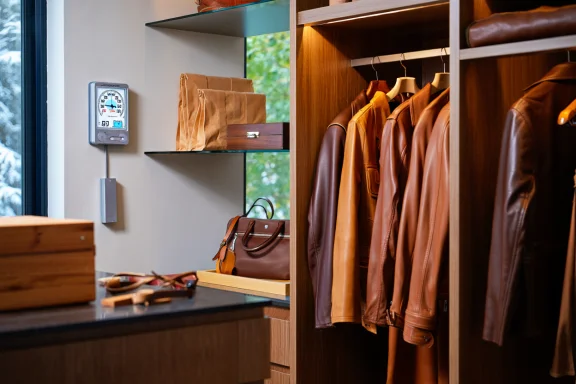
Your grandfather’s leather briefcase still looks magnificent after 40 years, while that expensive jacket you bought last season already shows wear. The difference? Proper storage techniques that protect leather from Canada’s extreme climate swings, from Prairie winters hitting -40°C to Maritime summers with 90% humidity.
Professional leather storage isn’t just about finding space in your closet – it’s about creating controlled environments that preserve leather’s natural properties while preventing the common damage that destroys even premium goods. Whether you’re storing seasonal items in Winnipeg or protecting heirloom pieces in Halifax, these proven techniques will keep your leather investments looking their best for decades.
Understanding Leather’s Storage Enemies
Climate Extremes: Canada’s Unique Challenges
Canadian weather presents unique storage challenges that leather enthusiasts in milder climates never face. Our dramatic seasonal shifts create conditions that can rapidly damage improperly stored leather.
Winter storage threats:
- Extreme dryness from forced-air heating systems
- Rapid temperature changes from outdoor cold to indoor warmth
- Salt and chemical exposure from winter clothing
- Reduced air circulation in sealed winter homes
- Static electricity buildup in dry conditions
Summer storage concerns:
- High humidity levels, especially in coastal regions
- Heat buildup in attics and upper floors
- Increased insect activity seeking shelter
- UV exposure through windows during long daylight hours
- Poor air circulation during humid periods
The Science Behind Leather Deterioration
Understanding why leather degrades helps you prevent damage before it starts. Leather is essentially preserved animal skin that remains responsive to environmental conditions throughout its life.
Moisture-related damage:
- Too much humidity causes mold, mildew, and bacterial growth
- Too little humidity leads to cracking, brittleness, and color fading
- Rapid moisture changes create expansion and contraction stress
- Condensation from temperature changes can cause permanent staining
Physical deterioration factors:
- UV radiation breaks down leather fibers and dyes
- Dust accumulation acts as an abrasive during handling
- Improper support creates permanent creasing and distortion
- Chemical exposure from cleaning products or storage materials
Optimal Storage Environment Setup
Temperature and Humidity Control
The ideal storage environment maintains consistent conditions year-round, regardless of Canada’s weather extremes.
Professional storage parameters:
- Temperature: 18-21°C (65-70°F) with minimal fluctuation
- Relative humidity: 45-55% for optimal leather preservation
- Air circulation: Gentle, consistent airflow without direct drafts
- Light exposure: Minimal UV exposure, preferably complete darkness
Creating Controlled Storage Spaces
Most Canadian homes don’t naturally provide ideal leather storage conditions, but you can create suitable microclimates with proper planning.
Basement storage solutions:
- Install dehumidifier systems to combat natural underground moisture
- Use moisture barriers to prevent seepage from foundation walls
- Ensure adequate heating to prevent extreme cold in winter
- Implement proper ventilation to prevent stagnant air conditions
Bedroom closet optimization:
- Choose interior walls away from exterior temperature influences
- Install humidity monitors to track seasonal changes
- Use moisture-absorbing products during humid months
- Ensure adequate space between items for air circulation
Dedicated storage room setup:
- Install climate control systems separate from home heating/cooling
- Use commercial-grade humidity control equipment
- Implement proper insulation to maintain consistent conditions
- Include monitoring systems to track environmental conditions
Professional Storage Techniques by Item Type
Leather Jackets and Coats
Outerwear requires specific storage approaches to maintain shape and prevent damage during Canada’s long off-seasons.
Hanging storage best practices:
- Use wide, padded hangers that support shoulder shape
- Maintain 5-8 cm spacing between garments
- Store in breathable garment bags, never plastic
- Position away from heating vents or air conditioning units
- Rotate hanging position monthly to prevent permanent creasing
Seasonal transition protocol:
- Clean and condition before storage
- Stuff sleeves and body with acid-free tissue paper
- Check for pest activity before sealing storage areas
- Document condition with photos for insurance purposes
Leather Bags and Briefcases
Structured leather goods need internal support to maintain their intended shape during storage periods.
Shape preservation techniques:
- Stuff bags with acid-free tissue paper or cotton batting
- Maintain natural shape without overstuffing
- Store handles in natural position, not folded or twisted
- Keep compartments slightly open for air circulation
- Use individual dust bags for each piece
Organization systems:
- Store similar-sized pieces together for space efficiency
- Label storage containers with contents and date
- Photograph high-value items for insurance documentation
- Rotate stored items quarterly to prevent permanent indentations
Footwear Storage Solutions
Leather shoes and boots face unique challenges from residual moisture and shape distortion during storage.
Moisture management:
- Always air-dry completely before storage (24-48 hours minimum)
- Use cedar shoe trees to maintain shape and absorb moisture
- Rotate between pairs to allow thorough drying
- Store in ventilated containers, never airtight plastic
Long-term boot storage:
- Clean and condition before extended storage
- Stuff boots with cedar chips or moisture-absorbing materials
- Store upright using boot forms or hangers
- Check monthly for signs of moisture or pest activity
Small Leather Accessories
Wallets, belts, and small goods require organized storage systems that prevent damage while maintaining easy access.
Drawer organization:
- Use compartmentalized dividers to prevent scratching
- Line drawers with soft, breathable fabric
- Avoid overcrowding that can cause permanent impressions
- Store belts rolled loosely, never tightly coiled
Display storage:
- Use glass-fronted cases for valuable collector pieces
- Include humidity control packets in sealed display cases
- Rotate displayed items to prevent UV damage
- Clean glass regularly to prevent dust accumulation
Seasonal Storage Strategies
Winter Preparation (October-November)
Preparing leather goods for Canadian winter storage requires specific attention to humidity control and protection.
Pre-winter storage checklist:
- Deep clean all items before storage
- Apply conditioning treatments appropriate for leather type
- Install or service humidity control systems
- Check storage areas for pest entry points
- Document inventory with detailed condition notes
Winter maintenance routine:
- Monitor humidity levels weekly during heating season
- Rotate stored items monthly to prevent settling
- Check for condensation issues during extreme cold periods
- Inspect for pest activity during winter storage checks
Spring Transition (March-May)
Canada’s unpredictable spring weather requires careful transition from winter storage conditions.
Spring storage preparation:
- Gradually adjust humidity levels as outdoor conditions change
- Inspect items for any winter damage before first use
- Deep clean storage areas and replace humidity control products
- Document any issues discovered during spring inspection
Summer Storage Management
High humidity and increased insect activity during Canadian summers demand vigilant storage monitoring.
Summer storage protocols:
- Increase dehumidification during humid periods
- Implement pest control measures appropriate for leather storage
- Monitor for condensation issues during temperature swings
- Increase ventilation while maintaining security
Specialized Storage Products and Materials
Recommended Storage Materials
Professional leather storage requires specific materials that protect rather than harm your investments.
Approved storage materials:
- Acid-free tissue paper for stuffing and wrapping
- Unbleached cotton dust bags for individual item protection
- Cedar products for natural moisture and pest control
- Archival-quality boxes for long-term storage
- Breathable fabric garment bags for hanging items
Materials to avoid:
- Plastic bags or containers (trap moisture and cause mold)
- Newspaper or regular tissue (acidic and can cause staining)
- Cardboard boxes (attract pests and absorb moisture)
- Wire hangers (cause permanent creasing and distortion)
- Chemical mothballs (can damage leather and leave odors)
Climate Control Equipment
Investing in proper climate control equipment pays dividends in leather preservation and longevity.
Essential equipment:
- Digital hygrometers for accurate humidity monitoring
- Dehumidifiers sized appropriately for storage space
- Humidifiers for extremely dry winter conditions
- Air circulation fans for consistent airflow
- UV-blocking window treatments for spaces with natural light
Professional-grade options:
- Integrated climate control systems for dedicated storage rooms
- Remote monitoring systems with smartphone alerts
- Commercial-grade humidity control with precise settings
- Air filtration systems to remove dust and contaminants
Pest Prevention and Management
Common Leather Storage Pests in Canada
Different regions face specific pest challenges that can destroy leather goods if not properly addressed.
National pest concerns:
- Clothes moths (attracted to natural fibers and oils)
- Carpet beetles (feed on leather and natural materials)
- Silverfish (damage leather through feeding and waste)
- Mice and rats (chew leather for nesting material)
Regional considerations:
- Atlantic Canada: Higher moisture attracts more insects
- Central Canada: Urban areas have increased pest pressure
- Prairie Provinces: Dry conditions attract moisture-seeking pests
- British Columbia: Mild climate supports year-round pest activity
Integrated Pest Management
Effective pest control combines prevention, monitoring, and targeted treatment without damaging stored leather.
Prevention strategies:
- Seal storage areas against pest entry
- Maintain clean storage environments free of food sources
- Use cedar and other natural deterrents
- Regular inspection schedules to catch problems early
Safe treatment options:
- Diatomaceous earth for crawling insect control
- Sticky traps for monitoring and catching flying insects
- Natural repellents like lavender and cedar
- Professional pest control using leather-safe methods
Organization and Inventory Systems
Cataloging Your Leather Collection
Professional organization systems help protect investments while ensuring easy access and maintenance scheduling.
Digital inventory management:
- Photograph each item from multiple angles
- Record purchase information, condition notes, and storage location
- Document care and maintenance history
- Update insurance valuations annually
- Track rotation schedules and inspection dates
Physical organization systems:
- Label all storage containers with contents and dates
- Use color-coded systems for different leather types or seasons
- Maintain master inventory lists in multiple locations
- Create location maps for large collections
Maintenance Scheduling
Regular maintenance prevents minor issues from becoming major problems that could destroy valuable leather goods.
Quarterly inspection schedule:
- Check all stored items for condition changes
- Verify climate control system operation
- Replace moisture control products as needed
- Update inventory records with any changes
- Rotate stored items to prevent permanent settling
Annual deep maintenance:
- Professional cleaning of high-value items
- Complete climate control system service
- Storage area deep cleaning and pest inspection
- Insurance documentation updates
- Replacement of worn storage materials
Emergency Preparedness and Recovery
Disaster Planning for Leather Collections
Canadian weather extremes and natural disasters require specific preparation to protect leather investments.
Emergency preparedness:
- Maintain off-site inventory documentation
- Identify climate-controlled temporary storage options
- Keep emergency cleaning and drying supplies available
- Document insurance coverage and claim procedures
- Create evacuation priorities for most valuable items
Recovery procedures:
- Immediate moisture removal to prevent mold growth
- Professional assessment for insurance claims
- Staged drying process to prevent cracking
- Professional restoration consultation for damaged items
Cost-Benefit Analysis of Professional Storage
Investment Protection Calculations
Proper storage systems require initial investment but provide significant long-term value protection.
Storage system costs (Canadian pricing):
- Basic humidity control setup: $200-500
- Mid-range climate control system: $800-2,000
- Professional storage room conversion: $3,000-8,000
- Annual maintenance and supplies: $100-300
Value protection benefits:
- Prevents premature replacement of expensive leather goods
- Maintains resale value for collector items
- Reduces insurance claims and premiums
- Extends usable life by 200-400% with proper storage
Regional Storage Considerations Across Canada
Atlantic Provinces: Moisture Management
High humidity and salt air require aggressive moisture control and corrosion prevention.
Specific challenges:
- Year-round humidity control requirements
- Salt air corrosion of metal hardware
- Extended heating seasons affecting indoor air
- Limited basement storage due to moisture issues
Central Canada: Temperature Extremes
Dramatic seasonal temperature swings create expansion and contraction stress requiring careful management.
Adaptation strategies:
- Insulated storage spaces to buffer temperature changes
- Graduated seasonal humidity adjustments
- Extended winter storage periods
- Urban pollution protection measures
Prairie Provinces: Extreme Dryness
Low humidity levels require humidification rather than dehumidification for optimal leather preservation.
Special considerations:
- Winter humidification systems essential
- Dust control in agricultural areas
- Wind protection for storage buildings
- Extended UV exposure during long summer days
British Columbia: Varied Climate Zones
Diverse climate zones from coastal to mountain regions require location-specific storage strategies.
Regional adaptations:
- Coastal areas: Focus on humidity control and rust prevention
- Interior valleys: UV protection and temperature moderation
- Mountain regions: Extreme cold protection and altitude considerations
Conclusion: Protecting Your Leather Legacy
Professional leather storage isn’t an expense – it’s an investment in preserving the craftsmanship, memories, and financial value represented by your leather goods. By implementing these proven storage techniques adapted for Canadian conditions, you ensure that today’s leather investments become tomorrow’s heirloom pieces.
Remember that leather goods properly stored in Canadian conditions can last generations, developing beautiful patina while maintaining structural integrity. The time and resources invested in proper storage systems pay dividends through extended product life, maintained appearance, and preserved value.
Whether you’re protecting a single heirloom briefcase or managing an extensive collection, these storage principles ensure your leather goods survive and thrive through decades of Canadian seasons.
Start implementing these storage solutions today – your future self will appreciate the foresight when you’re still enjoying perfectly preserved leather goods years from now, while others are replacing items that could have lasted with proper care.