Quality Control in Leather Manufacturing: What to Look For
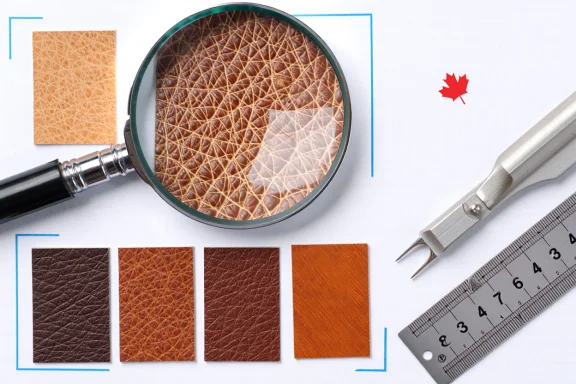
Whether you’re investing in a premium leather briefcase in downtown Toronto or selecting work boots for Alberta’s oil fields, knowing how to evaluate leather quality can save you hundreds of dollars and years of disappointment. Understanding quality control standards isn’t just for manufacturers – savvy Canadian consumers use these same techniques to make smart purchasing decisions.
After two decades of working with leather artisans across Canada, from Vancouver Island studios to Quebec’s historic tanneries, I’ve learned that quality leather goods share specific characteristics that separate them from mass-produced alternatives. Let me share the insider knowledge that’ll help you spot the difference between genuine craftsmanship and marketing fluff.
Understanding Leather Grades: The Foundation of Quality
Before diving into specific defects, you need to understand how leather is classified in Canada and internationally. The Canadian leather industry follows standards that prioritize both durability and appearance.
Full-Grain Leather: The Gold Standard
Full-grain leather uses the complete top layer of hide, including natural grain patterns and pores. This is the highest quality available and what you’ll find in premium Canadian-made products.
What to look for:
- Natural grain patterns that aren’t perfectly uniform
- Small scars, wrinkles, or insect bites (these prove authenticity)
- Rich patina development over time
- Flexibility without cracking
- Premium price point reflecting quality
Top-Grain Leather: The Practical Choice
Top-grain removes the very top surface but maintains good durability. Many Canadian manufacturers use this for products requiring consistent appearance.
Quality indicators:
- Smooth, consistent surface texture
- Even colour distribution
- Good flexibility and strength
- More affordable than full-grain
- Suitable for most everyday applications
Split Leather: Budget-Friendly but Limited
Split leather uses lower layers of hide and requires heavy processing. While legitimate for certain applications, it shouldn’t command premium pricing.
Warning signs of poor split leather:
- Excessive stiffness or artificial feel
- Heavy coating or artificial grain patterns
- Tendency to crack or peel with use
- Significantly lower pricing than alternatives
Visual Inspection: Your First Line of Defense
Surface Quality Assessment
Start by examining the leather surface under good lighting – natural light works best, just like when you’re checking out a used car in a Canadian Tire parking lot.
Premium quality indicators:
- Consistent colour throughout the piece
- Natural grain patterns that flow logically
- Minimal surface scratches or gouges
- Even thickness across the entire surface
- Clean, well-defined edges
Red flags to avoid:
- Patchy or uneven colouring
- Artificial-looking grain patterns stamped on
- Deep scratches or cuts
- Varying thickness suggesting poor hide selection
- Rough, unfinished edges
Stitching and Construction Quality
Quality leather goods feature consistent, precise stitching that complements the leather’s natural characteristics.
Professional stitching standards:
- Evenly spaced stitches (typically 8-12 per inch)
- Consistent thread tension throughout
- Matching thread colour or deliberate contrast
- Reinforcement at stress points
- Clean entry and exit points
Poor construction warning signs:
- Irregular stitch spacing or tension
- Loose threads or skipped stitches
- Thread colour that clashes inappropriately
- Missing reinforcement at corners or handles
- Puckering or pulling around seams
Physical Testing: Hands-On Quality Assessment
Flexibility and Strength Tests
Quality leather should feel supple yet substantial. Here’s how Canadian leather experts test durability:
The Bend Test: Gently flex the leather between your fingers. Premium leather will bend smoothly without cracking or showing stress lines. Poor quality leather may crack, feel stiff, or show permanent creasing.
The Stretch Assessment: Apply gentle pressure to stretch a small section. Quality leather will return to its original shape, while inferior leather may stay stretched or show signs of tearing.
The Weight Factor: Genuine quality leather has substantial weight due to its density. If a leather jacket feels surprisingly light, it might be heavily processed split leather or contain synthetic materials.
Grain Pattern Analysis
Natural leather grain tells a story about both the animal and the tanning process.
Authentic grain characteristics:
- Irregular patterns that vary across the surface
- Pores of different sizes and shapes
- Natural markings like small scars or wrinkles
- Grain direction that follows the hide’s natural shape
- Subtle variations in texture and depth
Artificial grain red flags:
- Perfectly repetitive patterns
- Uniform pore sizes arranged in rows
- Sharp, geometric edges to grain patterns
- Completely consistent texture across large areas
- Grain that looks “printed” rather than natural
Hardware and Finishing Quality Standards
Metal Components Assessment
Quality leather goods feature hardware that matches the leather’s quality level and withstands Canadian weather conditions.
Premium hardware characteristics:
- Solid construction with appropriate weight
- Smooth operation of zippers, buckles, and clasps
- Corrosion-resistant finishes suitable for humidity
- Proper sizing for the leather thickness
- Secure attachment without stress on leather
Hardware warning signs:
- Lightweight, hollow-feeling components
- Rough operation or binding in mechanisms
- Signs of rust, tarnishing, or cheap plating
- Oversized or undersized for the application
- Loose attachment or stress tears around mounting points
Edge Finishing Excellence
The edges of leather pieces reveal significant information about craftsmanship quality and attention to detail.
Professional edge finishing:
- Smooth, even surface without roughness
- Consistent colour and finish type
- Clean lines without wavering or irregularities
- Appropriate thickness for the application
- Durable finish that won’t chip or peel
Defect Identification: Common Issues to Avoid
Manufacturing Defects
Even premium leather can have defects that affect both appearance and durability. Learning to spot these issues protects your investment.
Serious defects requiring rejection:
- Deep cuts or tears extending through the leather
- Large stains that affect structural integrity
- Loose or separated layers in the leather
- Chemical burns from improper tanning
- Significant colour bleeding or running
Minor imperfections (acceptable in some cases):
- Small natural scars adding character
- Slight colour variations reflecting natural origin
- Minor surface scratches that don’t penetrate deeply
- Subtle grain irregularities proving authenticity
- Small wrinkles or creases from natural hide shape
Tanning Quality Issues
Poor tanning processes create problems that may not appear until months after purchase.
Signs of inferior tanning:
- Strong chemical odours that don’t dissipate
- Excessive stiffness that doesn’t improve with use
- Rapid colour fading when exposed to sunlight
- Cracking or brittleness in cold temperatures
- Poor absorption of conditioning treatments
Regional Quality Standards Across Canada
Ontario’s Manufacturing Excellence
Ontario’s established leather industry maintains strict quality standards developed over generations of craftsmanship.
Ontario quality indicators:
- Detailed quality documentation and guarantees
- Consistent adherence to international standards
- Emphasis on durability for four-season use
- Integration of modern technology with traditional methods
Quebec’s Artisan Traditions
Quebec’s leather artisans blend European techniques with North American practicality, creating distinctive quality markers.
Quebec craftsmanship characteristics:
- Attention to traditional hand-finishing techniques
- Premium edge treatment and detailing
- Cultural influences reflected in design elements
- Emphasis on natural materials and processes
Western Canadian Durability Focus
Western provinces prioritize functionality and extreme weather performance in leather goods.
Western quality standards:
- Enhanced weather resistance treatments
- Reinforced construction for outdoor use
- Testing in actual field conditions
- Emphasis on repair-friendly construction
Making Informed Purchasing Decisions
Price vs Quality Analysis
Understanding the relationship between pricing and actual quality helps Canadian consumers make smart investments.
Realistic pricing expectations:
- Premium full-grain products: $200-800+ depending on complexity
- Quality top-grain items: $100-400 for most applications
- Acceptable split leather: $50-150 for appropriate uses
- Luxury artisan pieces: $500-2000+ reflecting handcraft time
Warning signs in pricing:
- “Premium” leather goods priced suspiciously low
- Identical pricing across vastly different leather types
- No clear explanation for premium pricing claims
- Prices that seem too good to be true (they usually are)
Warranty and Support Considerations
Reputable Canadian leather manufacturers stand behind their products with meaningful guarantees.
Quality manufacturer support:
- Clear warranty terms covering defects and craftsmanship
- Repair services for normal wear and tear
- Care instructions specific to their tanning methods
- Responsive customer service for quality concerns
- Replacement parts availability for hardware
Long-Term Quality Assessment
Aging and Patina Development
Quality leather improves with age when properly cared for, developing attractive patina that enhances appearance.
Positive aging characteristics:
- Rich colour deepening over time
- Smooth patina development in wear areas
- Maintained flexibility despite regular use
- Enhanced character without structural deterioration
- Improved comfort and fit with breaking in
Poor aging warning signs:
- Rapid colour fading or bleaching
- Cracking or brittleness developing quickly
- Surface coating peeling or flaking off
- Loss of shape or structural integrity
- Staining or discolouration from normal use
Conclusion: Investing in Quality That Lasts
Quality control in leather manufacturing isn’t just about catching defects – it’s about understanding what separates exceptional craftsmanship from mass-produced alternatives. By applying these evaluation techniques, Canadian consumers can confidently invest in leather goods that provide years of reliable service while developing the beautiful patina that makes quality leather increasingly attractive over time.
Remember, the initial investment in premium leather goods pays dividends through longevity, performance, and satisfaction. Whether you’re purchasing work boots for Northern Ontario mining operations or a briefcase for Bay Street business meetings, these quality assessment skills ensure you get genuine value for your hard-earned dollars.
Take the time to properly evaluate leather quality before purchasing – your future self will thank you every time you reach for that perfectly aged leather wallet or slip on those boots that still look great after years of Canadian weather.