The Role of Leather in Canadian Fashion Heritage
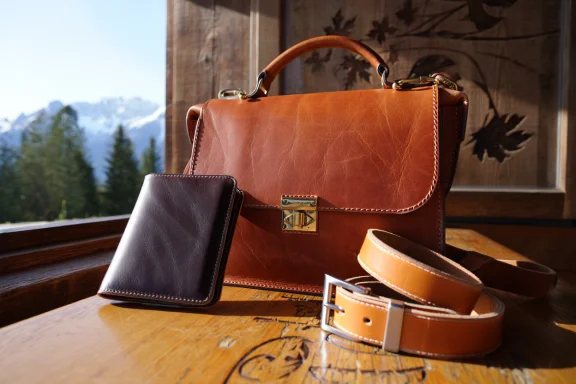
From the rugged practicality of early fur traders to the sophisticated leather goods gracing Toronto’s boutiques today, leather has woven itself into the very fabric of Canadian fashion identity. Our relationship with leather runs deeper than mere style – it’s a story of survival, craftsmanship, and cultural evolution that spans centuries across this great nation.
The Indigenous Foundation: Canada’s Original Leather Artisans
Long before European settlers arrived, Indigenous peoples across Canada had mastered the art of leather craftsmanship. From the Inuit’s sealskin parkas in Nunavut to the Plains Cree’s buffalo hide clothing in Saskatchewan, leather served both functional and ceremonial purposes.
Traditional tanning methods using natural materials like oak bark and animal brains created durable, weather-resistant garments essential for surviving Canadian winters. These techniques, passed down through generations, emphasized:
- Functionality over fashion – Every piece served a survival purpose
- Spiritual significance – Leather goods often held ceremonial importance
- Regional adaptation – Materials and techniques varied by geography and climate
- Community craftsmanship – Skills were shared within tribal communities
Today, Indigenous artisans continue these traditions while incorporating contemporary design elements, creating pieces that honour heritage while appealing to modern Canadian consumers.
The Fur Trade Era: Leather as Currency and Culture
The Hudson’s Bay Company, established in 1670, transformed leather from survival necessity to economic powerhouse. Beaver pelts became Canada’s first global fashion export, but other leather goods soon followed suit.
During this period, European settlers adapted Indigenous techniques while introducing their own traditions. The result was a uniquely Canadian approach to leather working that combined:
- European tailoring precision with Indigenous durability methods
- Local materials like moose, elk, and deer hide with imported techniques
- Practical designs suited to harsh Canadian climates
- Cultural exchange between Indigenous peoples and European settlers
This fusion created distinctive Canadian leather styles that prioritized warmth, durability, and functionality – characteristics that remain central to Canadian fashion identity today.
Industrial Revolution: From Frontier to Fashion
By the late 1800s, Canadian cities like Montreal and Toronto had established thriving leather industries. The shift from handcraft to mechanized production made leather goods more accessible to everyday Canadians.
Key developments during this era included:
Quality Over Quantity Approach
Canadian manufacturers focused on creating durable products rather than following fast fashion trends. This philosophy established Canada’s reputation for high-quality leather goods that could withstand extreme weather conditions.
Regional Specialization
- Ontario: Became the hub for fine leather accessories and footwear
- Quebec: Specialized in heavy-duty work boots and industrial leather goods
- Western Canada: Focused on ranch and outdoor gear
- Atlantic Canada: Developed expertise in marine-grade leather products
Mid-Century Modern: Canadian Leather Goes Mainstream
The 1950s and 60s marked leather’s transition from purely functional to fashionable in Canadian wardrobes. Post-war prosperity meant Canadians could afford leather jackets, handbags, and accessories as style statements rather than just practical necessities.
Canadian designers began incorporating leather into sophisticated urban looks while maintaining the rugged durability that defined our national character. This period saw the emergence of:
- Leather blazers suitable for both boardrooms and weekend cottages
- Sophisticated handbags designed for Canadian professional women
- Winter accessories that combined style with sub-zero functionality
- Casual leather goods reflecting Canada’s outdoor lifestyle
Contemporary Canadian Leather: Heritage Meets Innovation
Today’s Canadian leather fashion scene honours traditional craftsmanship while embracing modern design principles and sustainability concerns. Contemporary Canadian leather designers are creating pieces that reflect our multicultural society while maintaining connection to our heritage.
Current Trends in Canadian Leather Fashion
Sustainable Practices: Canadian leather companies are increasingly adopting eco-friendly tanning methods and ethical sourcing practices. Many work directly with local farms and use vegetable-based tanning processes that reduce environmental impact.
Minimalist Aesthetics: Clean lines and functional design dominate Canadian leather fashion, reflecting our practical national character while appealing to international style sensibilities.
Cultural Integration: Modern Canadian leather goods often incorporate elements from various cultural traditions, creating unique fusion pieces that represent our diverse population.
Regional Identity: Leather goods often showcase regional Canadian identity – from West Coast casual styles to Maritime nautical influences to Prairie durability.
The Economic Impact: Leather’s Role in Canadian Fashion Industry
According to Statistics Canada, the leather and allied product manufacturing industry contributes significantly to our national economy. Canadian leather goods are exported globally, with our reputation for quality opening markets from the United States to Japan.
Key economic factors include:
- Over 15,000 Canadians employed directly in leather goods manufacturing
- Canadian leather exports valued at over $200 million annually
- Growing domestic market for artisan and custom leather goods
- Increasing demand for “Made in Canada” leather products internationally
Regional Styles: Coast to Coast Leather Fashion
Atlantic Canada
Maritime leather fashion emphasizes weather resistance and nautical functionality. Think waterproofed leather boots designed for fishing boats and jackets that can handle Atlantic storms.
Quebec
Quebec’s leather fashion blends European sophistication with North American practicality. Montreal’s fashion scene particularly showcases innovative leather designs that work in both urban and rural settings.
Ontario
As Canada’s fashion capital, Toronto drives trends in luxury leather accessories while maintaining connection to traditional craftsmanship techniques.
Western Canada
From Calgary’s cowboy heritage to Vancouver’s outdoor lifestyle, Western Canadian leather fashion emphasizes durability and versatility for active lifestyles.
Northern Canada
Arctic-tested leather goods from Northern Canada set global standards for extreme weather performance while incorporating traditional Indigenous design elements.
Modern Craftsmanship: Keeping Traditions Alive
Contemporary Canadian leather artisans are preserving traditional techniques while innovating for modern needs. Many operate small studios where they create custom pieces that reflect both historical methods and contemporary aesthetics.
These artisans often:
- Use locally-sourced Canadian hides
- Employ traditional hand-stitching techniques
- Incorporate modern hardware and fasteners
- Create pieces designed specifically for Canadian climates
- Offer customization reflecting personal or regional identity
The Future of Canadian Leather Fashion
Looking ahead, Canadian leather fashion continues evolving while maintaining its core characteristics of durability, functionality, and craftsmanship. Emerging trends include:
Technology Integration: Smart leather goods incorporating technology for outdoor enthusiasts and urban professionals.
Sustainable Innovation: Continued development of eco-friendly production methods and materials.
Cultural Celebration: Increased recognition and integration of Indigenous leather working traditions.
Global Recognition: Growing international appreciation for Canadian leather craftsmanship and design philosophy.
Conclusion: Leather as Canadian Identity
Leather’s role in Canadian fashion heritage extends far beyond mere clothing and accessories. It represents our relationship with the land, our respect for craftsmanship, and our ability to adapt traditional skills to modern needs. From Indigenous origins through fur trade expansion to contemporary artisan studios, leather tells the story of Canadian ingenuity and resilience.
Whether you’re wearing handcrafted boots designed for Toronto winters or carrying a leather briefcase made in Vancouver, you’re participating in a tradition that connects you to centuries of Canadian heritage while embracing the innovation that defines our national character.
Ready to explore authentic Canadian leather craftsmanship? Discover pieces that honour our heritage while meeting modern style needs through skilled artisans who understand both tradition and contemporary design.