Building a Leather Care Kit: Essential Products and Tools
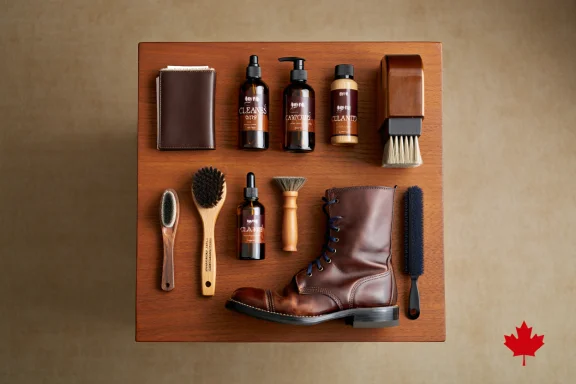
Premium leather goods are investments that can last decades with proper care, but only if you have the right tools and products to maintain them properly. At CraftLeather Canada, we’ve seen beautiful pieces ruined by wrong products and others restored to like-new condition with the right care approach. After years of working with leather in our Queen Street West workshop, we know exactly what every leather owner needs in their care toolkit.
Whether you own a single quality belt or an entire collection of handcrafted leather goods, building a proper care kit is essential for protecting your investment and ensuring your pieces age beautifully rather than deteriorating prematurely.
The Foundation: Understanding Your Care Kit Needs
Before diving into specific products, it’s important to understand that different leather types, usage patterns, and environmental conditions require different care approaches. Your kit should be tailored to your specific collection and circumstances.
Assessing Your Leather Collection
Inventory Your Pieces Start by cataloguing what you own and what each piece needs for optimal care.
- Leather Types: Full-grain, top-grain, suede, nubuck, or specialty leathers each have different requirements
- Colors and Finishes: Natural leather, dyed pieces, and finished surfaces need different products
- Usage Frequency: Daily-use items need more frequent care than occasionally-used pieces
- Age and Condition: New leather has different needs than pieces showing wear or requiring restoration
Environmental Considerations Canadian weather and indoor conditions significantly impact what your care kit should include.
- Seasonal Changes: Dramatic temperature and humidity swings requiring adaptive care
- Winter Challenges: Salt exposure, dry indoor air, and temperature extremes
- Summer Issues: UV exposure, humidity, and increased use demanding more frequent maintenance
- Storage Conditions: Basement, closet, or heated storage affecting leather preservation needs
Essential Products: The Core of Your Care Kit
Every complete leather care kit needs certain fundamental products that handle the most common maintenance tasks and emergency situations.
Cleaning Products: Removing Dirt and Buildup
Saddle Soap: The Universal Cleaner A high-quality saddle soap forms the backbone of any leather care kit, providing gentle but effective cleaning for most leather types.
- What It Does: Removes dirt, sweat, and surface stains while providing light conditioning
- Best Applications: Regular cleaning of belts, bags, and heavily-used items
- Application Method: Work into damp leather with soft cloth, then remove residue completely
- Canadian Recommendations: Look for glycerin-based formulas that won’t crack in cold weather
- Storage Tips: Keep in cool, dry place and replace annually for best performance
Specialized Leather Cleaner For delicate or heavily finished leathers that might be damaged by saddle soap.
- Gentle Formulations: pH-balanced cleaners for sensitive leather types
- Specific Applications: Patent leather, exotic skins, or light-colored pieces
- Usage Guidelines: Always test on inconspicuous areas before full application
- Emergency Cleaning: Quick-action formulas for immediate stain treatment
Suede and Nubuck Cleaners Specialized products for textured leathers requiring different cleaning approaches.
- Foam Cleaners: Gentle formulations that don’t oversaturate delicate napped surfaces
- Stain Removers: Targeted treatments for oil, water, and protein stains on suede
- Application Tools: Specialized brushes and cloths designed for textured leather surfaces
Conditioning Products: Maintaining Suppleness and Preventing Cracking
Premium Leather Conditioner The most important product in your kit – choose quality here as cheap conditioners can cause long-term damage.
- Natural Ingredients: Look for lanolin, neatsfoot oil, or mink oil-based formulations
- Penetration Properties: Conditioners that absorb properly without leaving greasy residue
- Color Considerations: Clear formulations for light leather, darker options acceptable for brown pieces
- Application Frequency: Every 3-6 months for regularly used items, seasonally for stored pieces
- Canadian Specific: Choose products that remain flexible in cold temperatures
Specialty Conditioners by Leather Type Different leathers benefit from specific conditioning approaches and formulations.
- Exotic Leather Conditioners: Specialized products for alligator, ostrich, or other exotic skins
- Vintage Leather Restorers: Heavy-duty conditioning for dried-out or cracked leather
- Waterproofing Conditioners: Products combining conditioning with water resistance for outdoor gear
Protective Products: Prevention and Emergency Response
Water-Resistant Treatments Protecting leather from moisture damage before it occurs, especially important in Canadian climates.
- Spray Applications: Even coverage for bags, shoes, and outdoor leather goods
- Wax-Based Treatments: Longer-lasting protection for heavily exposed items
- Breathable Formulas: Products that repel water while maintaining leather’s natural properties
- Seasonal Application: Pre-winter treatment for salt and snow protection
Stain Prevention and Emergency Treatments Products for immediate response to spills and accidents.
- Universal Stain Removers: Safe formulations for quick response to unknown spills
- Oil and Grease Absorbers: Powder treatments that draw out oil-based stains
- Ink and Paint Removers: Specialized solvents for difficult stains (use with extreme caution)
- Salt Stain Neutralizers: Essential for Canadian leather owners dealing with winter road salt
Essential Tools: Proper Application Equipment
Having the right products means nothing without proper tools for applying them effectively and safely.
Basic Application Tools
High-Quality Cloths and Applicators The foundation of proper leather care technique is using appropriate cloths that won’t scratch or leave residue.
- Microfiber Cloths: Lint-free options for cleaning and product removal
- Cotton Flannel: Soft, absorbent material perfect for conditioning applications
- Disposable Applicators: Clean application for each use, preventing cross-contamination
- Chamois Leather: Natural option for final buffing and polishing
- Cloth Storage: Keep clean cloths in sealed containers to prevent contamination
Brushes for Different Applications Various brush types for different leather textures and care needs.
- Horsehair Brushes: Soft bristles for general cleaning and buffing smooth leather
- Suede Brushes: Specialized metal or nylon bristles for restoring nap on textured leathers
- Detailing Brushes: Small, precise brushes for cleaning decorative elements and hard-to-reach areas
- Polishing Brushes: Dense, soft bristles for final buffing and shine enhancement
Specialized Tools for Advanced Care
Leather Working Tools for Maintenance Basic tools that help with minor repairs and detailed maintenance.
- Leather Awl: For cleaning out decorative stitching and small crevices
- Edge Burnishing Tools: Bone or wood tools for maintaining edge finishes
- Leather Needles: Heavy-duty needles for emergency repairs
- Strong Thread: Waxed linen thread matching your leather goods for repair work
Measurement and Testing Equipment Tools that help ensure proper care and monitor leather condition.
- pH Testing Strips: Ensuring cleaning products are appropriate for your leather
- Moisture Meters: Monitoring storage humidity levels
- Color Matching Cards: Helping select appropriate care products for different leather colors
- Magnifying Glass: Detailed inspection of leather condition and wear patterns
Product Recommendations: Tried and Tested Solutions
Based on years of professional experience, here are specific product recommendations that consistently deliver excellent results.
Professional-Grade Products Used by Artisans
Cleaning Products That Work Brands and formulations that professional leather workers rely on for consistent results.
- Fiebing’s Saddle Soap: Time-tested formula that’s gentle yet effective for regular cleaning
- Lexol Leather Cleaner: pH-balanced formula safe for all leather types including exotics
- Bickmore Bick 1: Gentle cleaner that won’t darken or damage delicate leather finishes
- Pecard Leather Soap: Natural formula excellent for vintage or antique leather restoration
Conditioning Products for Long-Term Care Premium conditioners that provide lasting protection without harmful side effects.
- Lexol Leather Conditioner: Consistent results without color change or greasy residue
- Obenauf’s Leather Oil: Heavy-duty conditioning for work leather and outdoor gear
- Bickmore Bick 4: Balanced conditioning perfect for fine leather goods and accessories
- Pecards Antique Leather Dressing: Specialized formula for vintage and antique pieces
Canadian-Specific Recommendations
Products Suited to Canadian Climate Formulations that perform well in extreme temperature variations and high humidity.
- Cold-Weather Stable Formulas: Products that don’t separate or become ineffective in winter storage
- Quick-Drying Options: Fast-acting products for high-humidity summer conditions
- Salt-Resistant Treatments: Specialized protection for winter salt exposure
- Multi-Season Versatility: Products that work effectively year-round without seasonal switching
Application Techniques: Getting Maximum Results
Having the right products and tools means nothing without proper application techniques that ensure effective care without damage.
Step-by-Step Cleaning Process
Preparation and Assessment Proper preparation prevents damage and ensures optimal results from care products.
- Clean Work Area: Ensure adequate lighting and ventilation for product application
- Leather Inspection: Examine pieces thoroughly for damage, stains, or wear patterns
- Product Testing: Always test products on inconspicuous areas before full application
- Tool Preparation: Ensure all cloths and brushes are clean and appropriate for the task
Cleaning Application Sequence Following proper sequence ensures thorough cleaning without damage or residue buildup.
- Surface Dust Removal: Use soft brush or cloth to remove loose dirt and debris
- Cleaner Application: Work cleaning products into leather using circular motions
- Residue Removal: Thoroughly remove all cleaning product residue with damp cloth
- Drying Time: Allow complete air drying before proceeding to conditioning
Professional Conditioning Techniques
Proper Conditioning Method Techniques that ensure even penetration and optimal leather protection.
- Thin, Even Application: Apply conditioning products sparingly – too much can clog leather pores
- Work Time: Allow products to penetrate for recommended time before buffing
- Multiple Light Coats: Better results than single heavy application
- Temperature Considerations: Room temperature application for best absorption
- Final Buffing: Remove excess conditioner to prevent dirt attraction
Seasonal Conditioning Schedules Timing conditioning treatments for maximum effectiveness and leather protection.
- Spring Conditioning: Deep conditioning after winter damage assessment
- Summer Maintenance: Light treatments to combat heat and UV exposure
- Fall Preparation: Heavy conditioning before winter storage or continued use
- Winter Protection: Emergency conditioning for pieces exposed to harsh conditions
Building Kits for Specific Needs
Different leather collections and usage patterns require customized care kit configurations.
The Minimalist Kit: Essential Basics
For Single-Item Owners or Budget-Conscious Collectors Core products that handle most maintenance needs without excessive investment.
Essential Components:
- Quality saddle soap for cleaning
- Premium leather conditioner
- Microfiber application cloths
- Horsehair brush for buffing
- Water-resistant spray for protection
Investment Range: $40-60 for complete basic kit Maintenance Capability: Handles 90% of routine leather care needs Ideal For: Single quality piece or small collection with similar leather types
The Professional Kit: Comprehensive Coverage
For Serious Collectors or Multiple Leather Types Complete selection covering all leather types and emergency situations.
Comprehensive Components:
- Multiple cleaning products for different leather types
- Specialized conditioners for various applications
- Complete brush and cloth selection
- Stain removal and emergency treatments
- Protective sprays and seasonal care products
- Basic repair tools and supplies
Investment Range: $120-180 for complete professional kit Maintenance Capability: Handles any routine care plus minor repairs and restoration Ideal For: Extensive collections or mixed leather types requiring specialized care
The Workshop Kit: Restoration and Repair Focus
For Leather Restoration or Professional Use Advanced products and tools for bringing damaged leather back to life.
Advanced Components:
- Heavy-duty cleaning and degreasing products
- Restoration-grade conditioners and oils
- Color restoration and touch-up materials
- Professional repair tools and supplies
- pH testing and moisture monitoring equipment
- Specialized brushes and application tools
Investment Range: $200-300 for complete restoration capability Applications: Antique restoration, damaged piece recovery, professional leather care services
Storage and Organization: Keeping Your Kit Effective
Proper storage ensures your care products remain effective and your tools stay clean and ready for use.
Product Storage Requirements
Environmental Conditions Maintaining product effectiveness through proper storage conditions.
- Temperature Control: Avoid extreme temperatures that can separate or damage products
- Humidity Management: Prevent moisture damage to products and contamination of tools
- Light Protection: UV exposure can degrade some leather care formulations
- Container Selection: Airtight storage for liquid products, breathable storage for tools
Organization Systems Efficient organization makes regular maintenance more likely and emergency care more effective.
- Clear Labeling: Identify products and expiration dates clearly
- Logical Grouping: Store related products together for efficient use
- Access Frequency: Keep frequently used items easily accessible
- Emergency Kits: Separate smaller kits for travel or emergency use
Maintenance Schedule Integration
Creating Sustainable Care Routines Building maintenance schedules that ensure consistent care without becoming burdensome.
- Seasonal Reminders: Calendar integration for major conditioning and protection treatments
- Usage-Based Scheduling: Care frequency based on how often pieces get used
- Condition Monitoring: Regular inspection schedules to catch problems early
- Product Rotation: Using products before expiration and replacing as needed
Troubleshooting Common Problems
Even with proper care, issues sometimes arise that require specific approaches or emergency treatments.
Emergency Response Protocols
Immediate Stain Treatment Quick response procedures that can save leather goods from permanent damage.
- Spill Response: Blot, don’t rub – prevent stains from spreading or penetrating deeper
- Stain Identification: Different stains require different treatment approaches
- Product Selection: Choosing appropriate emergency treatments based on stain type
- Professional Assessment: Knowing when home treatment might cause more damage
Water Damage Recovery Procedures for leather goods exposed to excessive moisture or complete soaking.
- Immediate Steps: Remove excess water and begin controlled drying process
- Shape Maintenance: Stuff bags and shoes to maintain form during drying
- Gradual Drying: Avoiding heat damage while preventing mold growth
- Post-Drying Treatment: Reconditioning to restore flexibility and appearance
Cost-Benefit Analysis: Investment in Care vs. Replacement
Understanding the economics of leather care helps justify building comprehensive care kits.
Long-Term Value Calculation
Care Kit Investment vs. Replacement Costs Analyzing the financial benefits of proper maintenance over premature replacement.
- Initial Investment: $60-180 for comprehensive care capability
- Annual Maintenance Costs: $20-40 in product replacement and supplies
- Extended Lifespan: Proper care can triple the useful life of leather goods
- Value Preservation: Well-maintained leather often appreciates rather than depreciates
Quality of Life Improvements Benefits beyond pure economics that make care kit investment worthwhile.
- Appearance Maintenance: Leather goods that continue looking excellent for years
- Reliability: Reduced risk of failure or damage at inconvenient times
- Satisfaction: Pride in owning and maintaining quality possessions
- Knowledge: Skills and confidence in handling leather care independently
Ready to build your perfect leather care kit? Visit CraftLeather Canada’s Queen Street West workshop to see our recommended products in action, or contact us at 416-582-9347 for personalized advice on building a care kit that matches your specific collection and needs.
Your leather goods are investments worth protecting. With the right tools, products, and techniques, you can ensure they provide decades of reliable service while looking their absolute best. Start building your leather care arsenal today – your future self will thank you.