Future of Leather Industry: Innovations and Sustainability
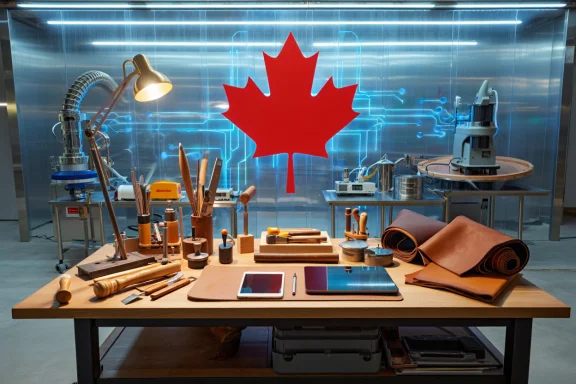
The leather industry stands at a fascinating crossroads where centuries-old craftsmanship traditions meet cutting-edge innovation and environmental responsibility. At CraftLeather Canada, we’re not just observers of this transformation – we’re active participants, carefully integrating beneficial innovations while preserving the artisan techniques that define quality leather goods.
From our Queen Street West workshop, we see firsthand how emerging technologies, sustainability demands, and changing consumer expectations are reshaping an industry that’s remained largely unchanged for generations. Here’s our comprehensive look at where the leather industry is heading and what it means for Canadian craftsmanship.
The Innovation Revolution: Technology Transforming Tradition
Modern technology isn’t replacing traditional leather craftsmanship – it’s enhancing it in ways that improve quality, efficiency, and sustainability while preserving the human artistry that defines premium leather goods.
Advanced Tanning Technologies: Cleaner, Faster, Better
Bio-Based Tanning Systems Revolutionary tanning methods using organic materials are transforming how hides become leather, offering environmental benefits without compromising quality.
- Mushroom-Based Tanning: Mycelium extracts creating leather with unique properties and minimal environmental impact
- Plant Enzyme Processing: Enzymatic treatments reducing processing time from weeks to days
- Bacterial Fermentation: Controlled bacterial processes creating consistent, high-quality leather
- Algae-Derived Treatments: Marine-based tanning agents offering new possibilities for leather characteristics
Precision Processing Control Digital monitoring and control systems ensuring consistent quality while reducing waste and environmental impact.
- Real-Time pH Monitoring: Automated systems maintaining optimal tanning conditions
- Temperature Control: Precise heat management improving leather quality and reducing energy use
- Chemical Dosing: Automated systems minimizing waste and ensuring consistent results
- Quality Tracking: Digital systems monitoring every hide through the entire tanning process
Smart Manufacturing: Where Craftsmanship Meets Technology
Computer-Aided Design Integration Advanced software helping artisans optimize patterns, reduce waste, and enhance customization capabilities.
- 3D Pattern Modeling: Virtual prototyping reducing material waste during design development
- Grain Pattern Analysis: Software identifying optimal cutting patterns based on hide characteristics
- Customization Automation: Digital tools enabling efficient personalization without compromising quality
- Waste Minimization: Algorithms optimizing material usage across multiple projects simultaneously
Precision Cutting Technologies Laser and water-jet cutting systems offering accuracy impossible with traditional methods while maintaining artisan oversight.
- Laser Cutting Precision: Exact cuts following natural grain patterns for optimal strength
- Water-Jet Technology: Clean cuts without heat damage for sensitive leather types
- Hybrid Approaches: Combining machine precision with hand-finishing for optimal results
- Quality Control Integration: Automated inspection systems ensuring consistent precision
Digital Tools Enhancing Traditional Skills
Augmented Reality Applications AR technology helping artisans visualize complex projects and train new craftspeople more effectively.
- Pattern Overlay Systems: Digital guides helping with complex cutting and assembly
- Training Simulations: Virtual practice environments for learning traditional techniques
- Quality Assessment: AR tools highlighting potential issues during construction
- Customer Visualization: Helping clients see custom designs before production begins
Data-Driven Quality Improvement Analytics helping artisans understand which techniques produce the best long-term results.
- Durability Tracking: Long-term performance data informing construction decisions
- Customer Feedback Integration: Digital systems capturing and analyzing user experiences
- Process Optimization: Data identifying which techniques produce superior results
- Predictive Maintenance: Systems predicting when leather goods might need service
Sustainability Revolution: Responsible Production for Future Generations
Environmental consciousness is no longer optional in the leather industry – it’s becoming a fundamental requirement driving innovation and changing how quality leather gets produced.
Circular Economy Integration
Zero-Waste Production Systems Comprehensive approaches ensuring every part of the hide finds useful application.
- Scrap Utilization: Small leather pieces becoming keychains, card holders, and repair materials
- Protein Recovery: Hide proteins extracted for food industry and pharmaceutical applications
- Collagen Harvesting: Medical and cosmetic applications for traditionally discarded materials
- Energy Generation: Organic waste converted to biogas for facility power needs
Closed-Loop Water Systems Advanced water treatment allowing tanneries to recycle and reuse water throughout the production process.
- Membrane Filtration: Advanced filters removing contaminants for water reuse
- Biological Treatment: Living systems breaking down organic pollutants naturally
- Chemical Recovery: Reclaiming and reusing tanning chemicals from wastewater
- Zero Discharge Goals: Systems designed to eliminate wastewater entirely
Alternative Material Research: Expanding Possibilities
Lab-Grown Leather Development Biofabricated materials offering leather-like properties without traditional environmental impacts.
- Cellular Agriculture: Growing leather from animal cells without raising livestock
- Mushroom Leather: Mycelium-based materials with remarkable leather-like properties
- Fruit Waste Leather: Materials created from pineapple leaves, apple peels, and other agricultural waste
- Bacterial Cellulose: Microorganisms creating leather-like materials in controlled environments
Performance Enhancement Research Scientific approaches improving leather properties while maintaining natural characteristics.
- Durability Enhancement: Treatments extending leather lifespan without harmful chemicals
- Weather Resistance: Natural water-repelling treatments replacing synthetic coatings
- Stain Resistance: Bio-based protective treatments maintaining leather’s natural breathability
- UV Protection: Natural compounds preventing color fading and material degradation
Carbon Footprint Reduction Initiatives
Renewable Energy Integration Canadian leather facilities leading the transition to clean energy sources.
- Solar Power: Rooftop installations providing significant portions of facility energy needs
- Wind Energy: Rural tanneries utilizing Canada’s abundant wind resources
- Geothermal Systems: Ground-source heat pumps for efficient temperature control
- Biomass Energy: Converting organic waste to energy for facility operations
Transportation Optimization Reducing environmental impact through intelligent logistics and local sourcing.
- Local Supply Chains: Prioritizing Canadian hides and materials to reduce transportation
- Efficient Distribution: Route optimization reducing fuel consumption and emissions
- Packaging Innovation: Biodegradable and minimal packaging materials
- Digital Documentation: Electronic records reducing paper use throughout supply chains
Market Evolution: Changing Consumer Expectations
Modern consumers demand more than just quality – they want transparency, sustainability, and products aligned with their values.
Transparency and Traceability Demands
Supply Chain Visibility Customers increasingly want to know where materials come from and how products are made.
- Hide Sourcing Documentation: Tracking leather from ranch to finished product
- Processing Transparency: Clear information about tanning methods and chemical usage
- Artisan Stories: Connecting customers with the craftspeople who make their goods
- Environmental Impact Reporting: Data about resource usage and sustainability measures
Digital Authentication Systems Technology ensuring customers receive genuine handcrafted products.
- Blockchain Verification: Immutable records tracking products from creation to sale
- RFID Integration: Discrete tags enabling authentication and providing product information
- Digital Certificates: Online verification of craftsmanship quality and materials
- Anti-Counterfeiting Measures: Protecting both customers and artisan brands
Customization and Personalization Trends
Mass Customization Capabilities Technology enabling efficient personalization without compromising traditional craftsmanship.
- Digital Design Tools: Customer-facing systems for visualizing custom options
- Modular Construction: Standardized components allowing efficient customization
- Rapid Prototyping: 3D printing enabling quick mock-ups for complex custom work
- Personal Fit Systems: Technology ensuring perfect sizing for custom leather goods
Experience-Driven Purchases Customers seeking engagement with the creation process and stories behind their purchases.
- Workshop Experiences: Hands-on participation in creating personal leather goods
- Artisan Interactions: Direct connections between makers and customers
- Creation Documentation: Photo and video records of custom piece development
- Maintenance Relationships: Ongoing connections for care and repair services
Industry Predictions: What the Next Decade Holds
Based on current trends and emerging technologies, several significant changes are likely to reshape the leather industry over the next 10 years.
Technology Integration Acceleration
AI-Assisted Design and Production Artificial intelligence enhancing rather than replacing human craftsmanship.
- Pattern Optimization: AI analyzing thousands of designs to suggest improvements
- Quality Prediction: Machine learning predicting leather performance based on characteristics
- Maintenance Scheduling: Predictive systems recommending care timing for optimal longevity
- Design Inspiration: AI analyzing fashion trends to suggest new product directions
Automation in Repetitive Tasks Machines handling routine work while artisans focus on creativity and complex construction.
- Edge Finishing Automation: Consistent edge treatment freeing artisans for complex work
- Basic Stitching Systems: Automated straight stitching while preserving hand-work for detailed areas
- Quality Inspection: Vision systems identifying defects and inconsistencies
- Inventory Management: Automated tracking and reordering of materials and supplies
Sustainability Becoming Standard
Environmental Certification Requirements Sustainability credentials becoming necessary for market access rather than competitive advantages.
- Carbon Neutral Production: Industry-wide goals for eliminating production emissions
- Water Usage Standards: Strict limits on water consumption and discharge
- Chemical Restrictions: Increasing limitations on harmful tanning and finishing chemicals
- Waste Elimination: Zero-waste becoming standard expectation rather than innovation
Consumer Education and Awareness Better-informed customers making decisions based on long-term value and environmental impact.
- Lifecycle Cost Analysis: Customers calculating total ownership costs including environmental factors
- Repair Culture: Growing appreciation for maintenance and restoration services
- Quality Recognition: Improved ability to distinguish handcrafted excellence from mass production
- Investment Mindset: Treating leather goods as long-term investments rather than disposable items
Regional Production Resurgence
Local Manufacturing Renaissance Growing preference for locally-made goods supporting regional economies and reducing transportation impact.
- Canadian Content Premium: Customers willing to pay more for domestically-produced goods
- Skill Development Programs: Increased investment in training traditional craftspeople
- Regional Specialization: Different areas developing expertise in specific leather goods categories
- Tourism Integration: Workshops and maker spaces becoming tourist destinations
Canadian Leadership Opportunities
Canada is uniquely positioned to lead several aspects of the leather industry’s evolution.
Natural Resource Advantages
Sustainable Material Access Canada’s vast natural resources providing sustainable alternatives to traditional tanning materials.
- Forest Byproducts: Bark and plant materials for vegetable tanning processes
- Agricultural Waste: Grain processing byproducts for bio-based treatments
- Marine Resources: Seaweed and algae extracts for innovative processing methods
- Clean Water Access: Abundant freshwater resources for sustainable production
Quality Hide Production Canadian livestock producing premium hides due to climate, feed quality, and animal welfare standards.
- Grass-Fed Cattle: Superior hide quality from natural feeding practices
- Climate Advantages: Canadian weather producing thicker, more durable hides
- Ethical Standards: High animal welfare standards creating market premiums
- Traceability Systems: Advanced tracking enabling premium positioning
Innovation Leadership Potential
Research and Development Capabilities Canadian universities and institutions contributing to leather industry innovation.
- Materials Science Research: Advanced polymer and bio-material development
- Environmental Technology: Clean technology applications for leather production
- Biotechnology Applications: Biological processes for sustainable leather production
- Digital Integration: Software and automation technologies for craft industries
Government Support Programs Canadian policies supporting sustainable manufacturing and traditional crafts.
- Clean Technology Incentives: Tax benefits for environmentally responsible production
- Export Development: Support for Canadian leather goods in international markets
- Skills Training: Programs preserving and developing traditional craftsmanship
- Innovation Funding: Research grants for sustainable leather industry development
Implications for Traditional Craftsmanship
While technology and sustainability demands drive change, traditional craftsmanship remains the foundation of quality leather goods.
Preserving Essential Skills
Master-Apprentice Programs Formal systems ensuring traditional techniques continue into the digital age.
- Skills Documentation: Video and digital recording of traditional techniques
- Training Integration: Combining traditional methods with modern efficiency tools
- Quality Standards: Maintaining craftsmanship standards while adopting beneficial technologies
- Knowledge Networks: Connecting artisans across Canada for skill sharing and development
Value Recognition Growing consumer appreciation for handcrafted quality in an increasingly automated world.
- Artisan Premiums: Customers paying more for documented handcrafted construction
- Story Value: Personal connections with makers adding perceived and actual value
- Quality Differentiation: Clear distinctions between handcrafted and mass-produced goods
- Cultural Heritage: Recognition of traditional crafts as important cultural assets
Adapting Without Compromising
Selective Technology Adoption Carefully choosing innovations that enhance rather than replace traditional skills.
- Quality Enhancement: Technology improving precision and consistency without eliminating artisan control
- Efficiency Gains: Automation for repetitive tasks freeing artisans for creative and complex work
- Sustainability Support: Technology enabling more environmentally responsible traditional practices
- Customer Connection: Digital tools enhancing rather than replacing personal relationships
The Road Ahead: Preparing for Change
The future of the leather industry will be shaped by how well traditional craftspeople adapt to beneficial changes while preserving essential quality standards.
Strategies for Success
Continuous Learning Staying informed about beneficial innovations while maintaining focus on quality craftsmanship.
- Industry Networks: Participation in professional organizations and trade associations
- Technology Evaluation: Careful assessment of new tools and techniques for potential adoption
- Sustainability Leadership: Proactive environmental responsibility rather than reactive compliance
- Customer Education: Helping clients understand value and make informed decisions
Innovation Integration Thoughtful adoption of beneficial technologies while preserving traditional excellence.
- Pilot Programs: Testing new approaches on small scales before full implementation
- Quality Monitoring: Ensuring innovations improve rather than compromise final product quality
- Artisan Input: Including craftspeople in technology evaluation and implementation decisions
- Customer Feedback: Using client responses to guide innovation adoption strategies
The future of leather craftsmanship lies not in choosing between tradition and innovation, but in thoughtfully combining the best of both worlds. At CraftLeather Canada, we’re committed to this balanced approach – embracing beneficial changes while preserving the artisan excellence that defines truly superior leather goods.
Ready to experience the future of leather craftsmanship today? Visit our Queen Street West workshop to see how we’re integrating innovation with tradition, or contact us at 416-582-9347 to discuss how evolving techniques can create even better custom leather goods for your needs.
The future of leather is bright, sustainable, and firmly rooted in the traditional values of quality, durability, and craftsmanship excellence that have defined the industry for generations.